Are Tinted Windows Listed On Your Car Registration? What The Law Really Says
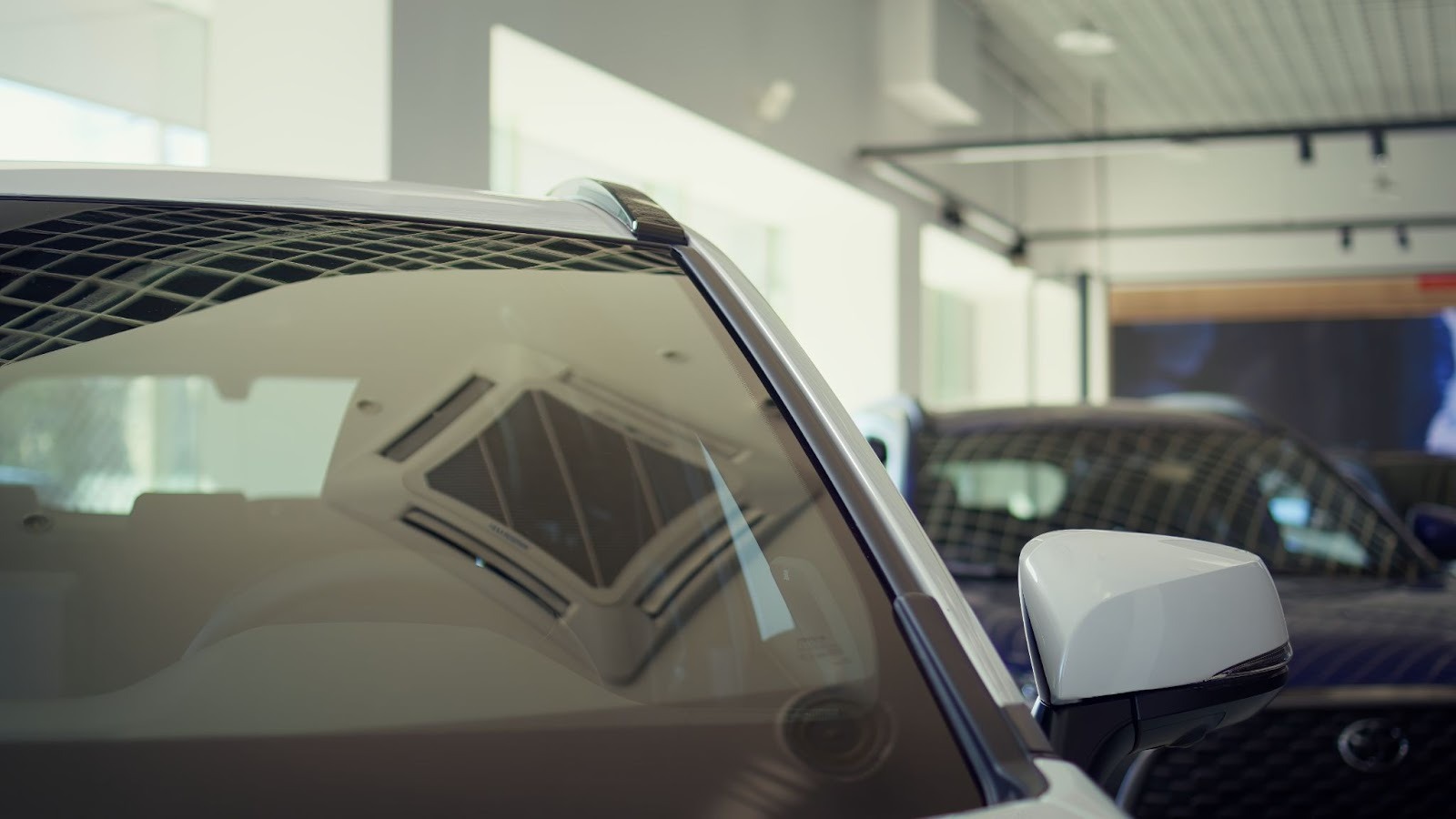
Do you ever wonder if your tinted windows car registration shows up on official documents? The short answer is no.
Unlike engine size or VIN, tint levels are not on the carte grise in France. The law doesn’t track cosmetic modifications like window films, even if they affect visibility.
It’s verified on the road, with physical checks using VLT meters and compliance with the standards.
This might sound weird, especially for car enthusiasts or fleet managers who modify vehicles regularly.
Let’s break down what’s on your car registration, how tint legality is enforced, and what you should keep in mind to stay compliant without getting lost in the red tape.
What Information Is Included On A Car Registration Certificate?
A French car registration certificate is very simple. It lists the basics:
- Vehicle identification (VIN, make, model, year)
- Technical specs (engine type, fuel, weight, number of seats)
- Administrative info (tax category, registration date)
Notice what’s missing? Tint levels. They’re not mentioned. The registration doesn’t ask about aftermarket modifications or cosmetic changes like window films, even if those films change the look or privacy of the vehicle.
In practice, this means that having a darker or lighter tint won’t trigger administrative questions. The authorities don’t track it on paper, but that doesn’t mean you can go as dark as you want. Tint is enforced differently.
Are Tinted Windows Taken Into Account Administratively?
Here’s where many drivers get confused. Tinting is a vehicle modification, yes, but not an administrative modification that requires you to update your registration.
The French authorities don’t ask you to declare changes to your car’s windows, no paperwork, no approval.
Why? Because the law is about safety. Tinting can reduce light transmission and affect visibility, but as long as your film meets VLT France, you are legal.
The key isn’t whether the modification is on the carte grise; it’s whether the film itself complies with the visibility rules and is certified.
So for installers and car owners, the takeaway is clear: you don’t need to ask for administrative approval. What you need is documentation of the film’s certification and proof of compliance.
How Is Tint Legality Actually Checked?
If tint isn’t on your registration, how do authorities know if your windows are legal? Through physical verification, mainly during roadside checks or technical inspections. Here’s how it works:
- VLT Measurement: Officers use a device to measure the Visible Light Transmission. This checks how much light gets through the window. Too dark and it fails.
- Certification Labels: Certified films have markings that show they meet the regulations. This makes inspections faster and no disputes.
- Visual Assessment: Inspectors also check for excessive glare, reduced visibility or any tint that compromises safety.
You’d be surprised how many drivers get stopped just because their tint looks good but doesn’t meet the VLT standards.
Using certified films avoids all that hassle. For more info on proper installation and compliance, Protector Automotive’s guide to legal automotive window tinting is a must-read.
Tinted Windows And Technical Inspection (Contrôle Technique)
Even if the police don’t catch a non-compliant film on the street, technical inspections (contrôle technique) are another hurdle. Inspectors check:
- Visibility through the windshield and side windows
- Compliance with French VLT rules
- Film placement, coverage, and certification labels
Failing these checks can have real consequences: a failed inspection, fines, or removal of the tint.
In some cases, the insurance can be affected if a non-compliant tint is involved in an accident.
Professional installers always recommend using films that are not only beautiful but also compliant.
That’s where our Protector Automotive legal tint film range comes in, so you don’t have to guess if your application is legal.
Do You Need to Update Your Car Registration When Adding Tint?
Short answer: No. Adding tint to your car does not require updating your registration certificate. The law doesn’t consider compliant window films as a reportable modification.
However, it’s a good idea to keep documentation handy:
- Install certificates of professional installation
- Proof that the film is certified and compliant
- Manufacturer labels or markings on the film
These won’t go on the carte grise, but will be proof if a police officer or inspector asks you about your tint.
It’s a practical precaution to have your car ready for a tinted windows technical inspection and routine roadside checks.
Why Certification Matters More Than Registration

Here’s the thing: since registration doesn’t reflect tint, the onus is on the film itself. Certified films have markings and documentation to prove they comply with VLT France. Using non-certified films is risky, even if your tint is subtle.
Think of it like brakes. You don’t need to declare them on your registration, but they have to meet safety standards. Window films work the same way: registration won’t save you; certification will.
And for anyone managing a fleet or working professionally with PPF and tints, this is a big difference.
Bottom Line
So, are tinted windows listed on the rego? No. The law doesn’t track cosmetic changes like films on your pink slip. What matters is physical compliance: does the film meet VLT thresholds, and is it certified?
Owners and professionals should focus less on paperwork and more on verified products, proper installation, and keeping documentation for when the inspector comes knocking. Regular checks and certified films mean your car is both looking good and road legal.
For a practical look at window tint legality, real-life applications, and expert tips, check out Protector Automotive’s how-to guides. And when it’s time to tint your car, the certified automotive window tint film collections make compliance easy without compromising on looks or safety.