The Hidden Role of Window Tint in Automotive Energy Efficiency
Window tints can boost the window tint energy efficiency of your vehicle by rejecting up to 65% of solar heat through infrared (IR) filtration and multi-layer barriers. These window tints stabilize cabin temperatures to cut air conditioning demands by at least 10%. Window tints play a key role in ICE fuel savings and hybrid optimization. They are important for the EV range extension in an era of rising energy costs by offering automotive heat rejection.
As the automobile sector evolves with electrified powertrains, unmanaged heat gain wastes your fuel/battery life. This heat gain comes from untreated glass. You need a heat-rejecting tint that targets performance-savvy clients. This hidden efficiency edge boosts the comfort of drivers and passengers. It preserves a vehicle’s interiors and drives repeat business.
Understanding Vehicle Heat Gain
Did you know that automotive window films can enhance your driving experience? We notice that solar heat is dominating vehicle thermal loads these days. Untreated glass transmits 60 to 70 percent of the total solar energy (TSER) received by your vehicle. It carries about 50% of warmth, so it turns parked cars into ovens on wheels at 140°F. Engines add conduction as well. But glass remains the weakest link, letting radiant heat flood your cabin unchecked.
This excessive load can spike the compressor cycles of your car’s AC. It consumes at least 5% of fuel in gas vehicles (or 20% in EVs) during summer peaks. Driver comfort suffers as a result! You experience hot seats, glare, and fatigue-inducing humidity levels. Your car also faces idling costs. But an energy-saving window film can help you overcome this issue.
Window Tint Energy Efficiency Explained
High-performance tints slash solar heat gain by 50-65% TSER. An infrared-blocking tint in your car creates a thermal shield that keeps your cabin 20-30°F cooler. IR rejection targets the 780-2500 nm spectrum as well. It blocks heat without darkening visibility. On the other hand, UV protection (99% blockage) extends material longevity and prevents dash cracking that absorbs more heat over time. Your AC activates less, yielding 1-2 MPG gains.
The Science Behind Automotive Heat Rejection
Nano-ceramic particles are embedded in PET substrates. So, when you install UV and heat protection window tint solutions, non-ceramic particles scatter IT wavelengths selectively. You achieve a 90%+ rejection without metallic radar interference or fading. These ceramics maintain VLT above 70% for safety. Besides automotive thermal performance, you notice that multi-layered construction stacks sputter or ceramic piles for compounded filtration.
It means that outer low-e layers reflect and inner absorbers dissipate. Selective light filtering passes the visible spectrum. But it does trap IR/UV (governed by Planck’s law of blackbody radiations, where peak solar outputs align with tint sweet spots). These technologies provide you with better fuel economy and cabin cooling, offering real-world advantages as well.
Real-World Benefits for Drivers
Cooler Parked Vehicles and Interior Preservation
Parked vehicles stay livable under direct sunlight. High-performance tints often limit interior temperatures to around 85°F (compare it with 120°F in untinted cars). It preserves leather seats, dashboards, and electronics from heat-induced cracking & warping. So, this thermal buffer prevents volatile organic compounds (VOCs) from off-gassing in extreme heat.
You can maintain cabin air quality and reduce long-term degradation costs by installing an energy-saving window film. Car enthusiasts and daily drivers report electronic systems like infotainment screens lasting years without thermal stress failures, even without the PPF.
Faster Cooling and Reduced AC Runtime
Cooling times drop by up to 40% post-parking. AC systems reach setpoint temperatures in 3 to 5 minutes (versus 8 to 10 minutes in untinted cars). This efficiency compounds in stop-go traffic, where repeated heat-stroke cycles amplify your savings. Installers demo this with a simple thermometer that converts skeptics right away. If you get an infrared-blocking tint, you can easily make your AC load have fewer battery reserves for propulsion.
Fuel Savings and EV Range Extension
Fuel consumption falls proportionally to heat rejection, mind you this! Urban cycles deliver 8 to 12 percent savings per EPA-modeled data. It’s equal to 1-2 MPG gains on midsize sedans over 10,000 miles per annum. Highway efficiency improves in the same way. Steady-state AC draws drop from 2-4 hp untinted to under 1 hp with premium films. EV drivers get critical summer ranges (10 to 15 percent extension) after installing window tint solutions.
Enhanced Comfort and Reduced Driver Fatigue
Our UV and heat protection window tint solutions offer a comfortable driving experience. Your comfort rises through glare-free views and even cabin lighting. You can cut your eye strain by 50% on bright days and reduce fatigue on long hauls as well.
You also get privacy from external views for psychological ease. Consistent temperatures will prevent hot/cold spots on steering wheels & seats. Professional drivers in fleets report fewer breaks. Window tints boost their productivity and on-road agility.
Installer Best Practices
When you get the metallized HP tints created by Protector Automotive as an installer, you’ll realize that you can get better window tint energy efficiency by:
- Delivering TSER ratings of 60% to 65%
- Achieving 90% infrared (IR) rejection
- Dropping cabin temperatures by around 30°F
These specs yield tangible annual savings. Drivers cover 10,000 miles expect around $150 or more in fuel costs with top-tier ceramic options. They can double the $75 from dyed films as well. If you want to achieve optimal results and better automotive heat rejection, you may recommend high-performance window films to your clients in 2026.
These window films offer full-vehicle coverage, i.e., sides, rear glass, and legal windshield brands. That’s how you maximize thermal gains and ensure even efficiency.
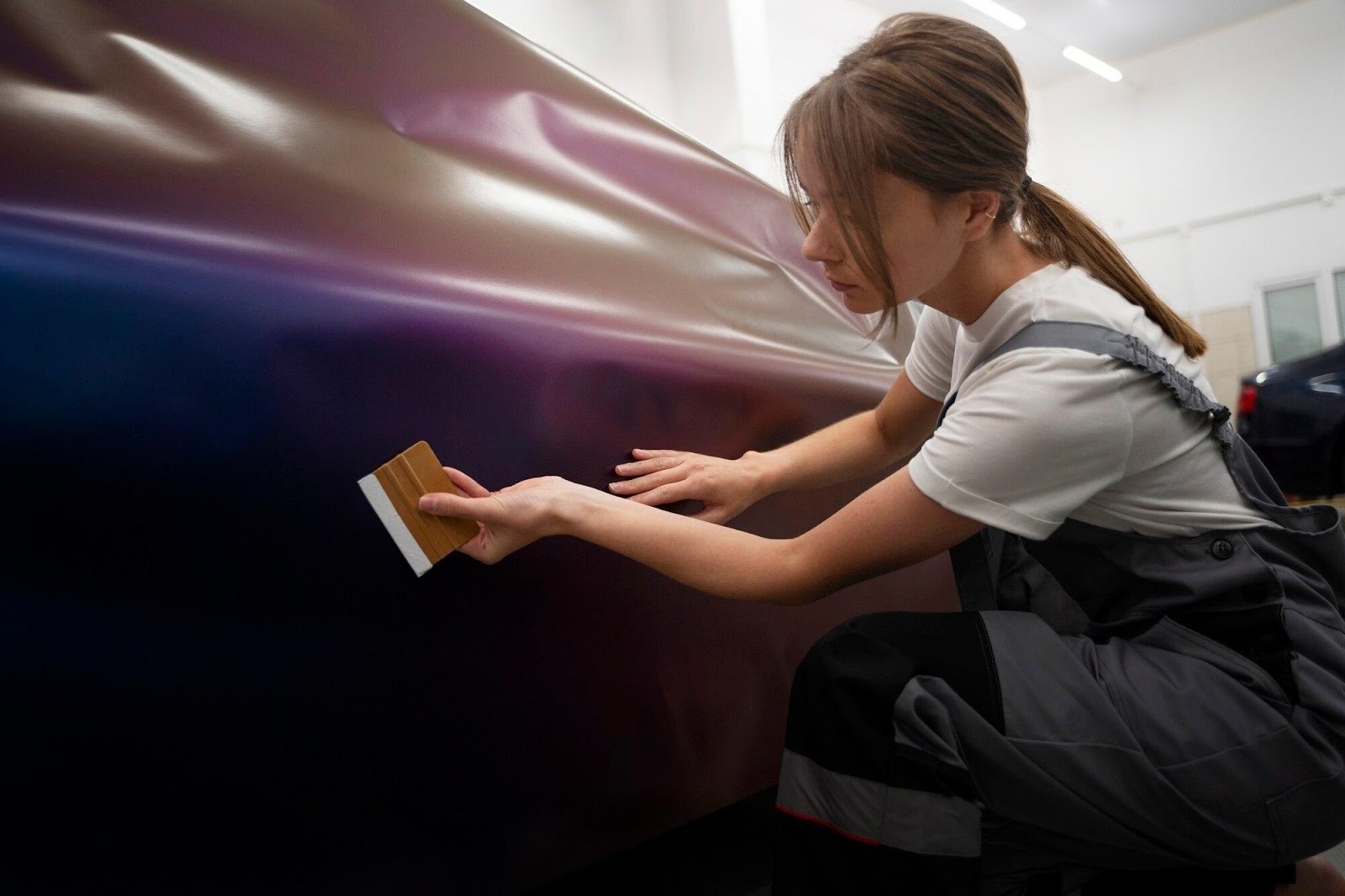
Get Fair PPFs for Automotive Thermal Performance
Window tint's role in automotive efficiency goes from IR barriers to stabilized cabins. The tint transforms vehicles amid ICE-to-EV shifts, delivering savings an installer can bank on. So, if you need better fuel economy and cabin cooling, you must opt for expert application with Protector Automotive’s high-performance window films. Our energy-efficiency automotive tint can help you ensure the best heat protection for your clients in the upcoming summer.