What’s the Difference Between a Rotary and Dual-Action Polisher?

Polishing your car windows can increase driving visibility. But choosing the right polisher can affect your car detailing results. There are two major types of car polishers, i.e., rotary and dual-action. You may ask about the difference between rotary and dual-action polishers.
Well, Rotary polishers spin in one direction; they are powerful but harder to control. On the other hand, dual-action polishers move in two ways to provide safer and more controlled polishing with less risk of damaging paint. However, both options restore and even enhance your car’s paint finishes. It all depends on the car polishing tools you’re using for this job.
We at Protector Automotive are your trusted experts in automotive dealing and protection. We offer insights that help you make informed decisions to elevate your car’s paintwork.
Let’s break down how these two polishers work and what their benefits & drawbacks are!
What is a Rotary Polisher?
If you want to ensure the longevity of your vehicle’s body protection measures, you must get comfortable with a rotary polisher. This machine restores automotive paint surfaces through a direct, high-speed spinning action. A motor spins the polishing pad around a fixed axis in a constant circular motion. It’s like a record on a turntable. This spinning pad rotates at speeds ranging from 600 to 3000 revolutions per minute (RPM). High speeds are for automotive paint correction, while lower speeds are for finishing and waxing.
Rotary polishers produce a lot of heat and friction on your car’s painted surface. So, they can remove a microscopically thin layer of your paint’s clear coat. This process levels the surface by smoothing all imperfections out, e.g., swirl marks, scratches, oxidation stains, and other paint defects. These polishers also provide strong cutting power.
So, you may correct severe paint damage and achieve a mirror-like gloss. The sheer torque of the motor makes sure that the polishing pad is maintaining pressure consistently on your car’s paint. So, you can use it for heavy-duty polishing and compounding tasks.
Advantages of a Rotary Polisher
- Strong Cutting: The heat and motion of this polisher make it very good at removing deep scratches and heavy paint defects.
- Higher Efficiency: You can achieve dramatic correction in less time. That’s why they are favored by professional detailers dealing with oxidation-like issues.
- Versatile Applications: These machines accommodate polishing, compounding, and cutting pads for various correction levels.
Drawbacks of a Rotary Polisher
- Paint Damage Risk: All the heat and spinning can cause clear coat burns. You may see swirl marks or notice holograms on your car’s paintwork.
- Learning Curve: You need experience and skills to apply the right pressure evenly to avoid damaging the paintwork.
What is a Dual-Action (Orbital) Polisher?
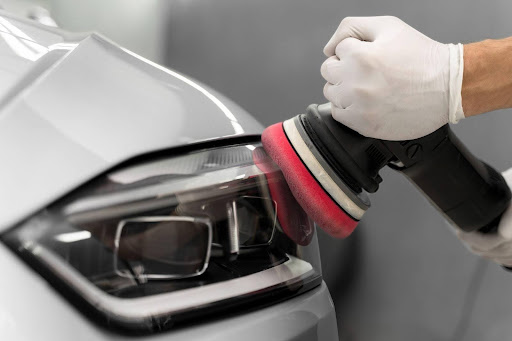
A dual-action polisher blends two types of motion. The polishing pad spins on its axis but also orbits a central spindle in a wider circular path. This dual, oscillating motion mimics hand-polishing motions. DA or orbital polishers are ideal for detailing enthusiasts. Even professionals use them for routine maintenance tasks. Unlike rotary polishers, you won’t have to rely on a Protector Glass to protect your paintwork from aggressive motion!
Advantages of a Dual-Action Polisher
- Safe: The orbital motion disperses heat buildup. Therefore, your car stays immune to excessive friction. You can avoid the risk of paint burning.
- Beginner-Friendly: Its forgiving nature makes DA well-suited for novice detailers or detailing enthusiasts who need consistent polishing results.
- Versatile Applications: DA polishers excel at removing minor swirls, haze, light oxidation, and restoring gloss.
- Finish Consistency: They are also less likely to leave holograms or buffer trails, producing a more uniform, swirl-free shine.
Drawbacks of a Dual-Action Polisher
- Slower Response: Dual-action machines require more time, so you can achieve results comparable to rotary polishers. So, they are not that useful for treating & correcting heavy defects.
- Less Effective: They simply lack the aggressive cutting power needed to tackle all deep scratches or major oxidation risks.
Difference between Rotary and Dual-action Polishers
Rotary Polisher
Orbital Polisher
Motion
Single-axis spinning
Spinning + orbital motion
Power
High (ideal for deep scratches and heavy defects)
Moderate (suitable for light to medium corrections)
Heat Generation
High (so much heat that it often damages the paintwork)
Low (heat is dispersed to reduce paint damage)
Ease of Use
Requires professionals
Beginner-friendly method
Learning Curve
Steep
Gentle
Finish Quality
Leaves holograms if not handled correctly
Produces swirl-free, consistent finishes
Users
Professionals and experienced detailers
Beginners, enthusiasts, semi-professionals, etc.
Speed
Speedy correction for major defects
Slower correction but more forgiving
When to Choose Comparing Rotary vs Dual-Action Polisher
You should use both polishers after proper surface preparation. Apply some paint protection methods as well. You can use Protector Automotive’s PPF or window tint film to preserve the hard-earned results of your polishing. That’s why you should:
- Use rotary polishers for intensive paint correction tasks like removing deep scratches or water spots. But make sure you have the expertise to avoid paint damage.
- Use dual-action polishers for regular maintenance polishing and light defect removal. If you are new to machine polishing, this is the right method for you.
Tips to Choose the Right Types of Car Polishers
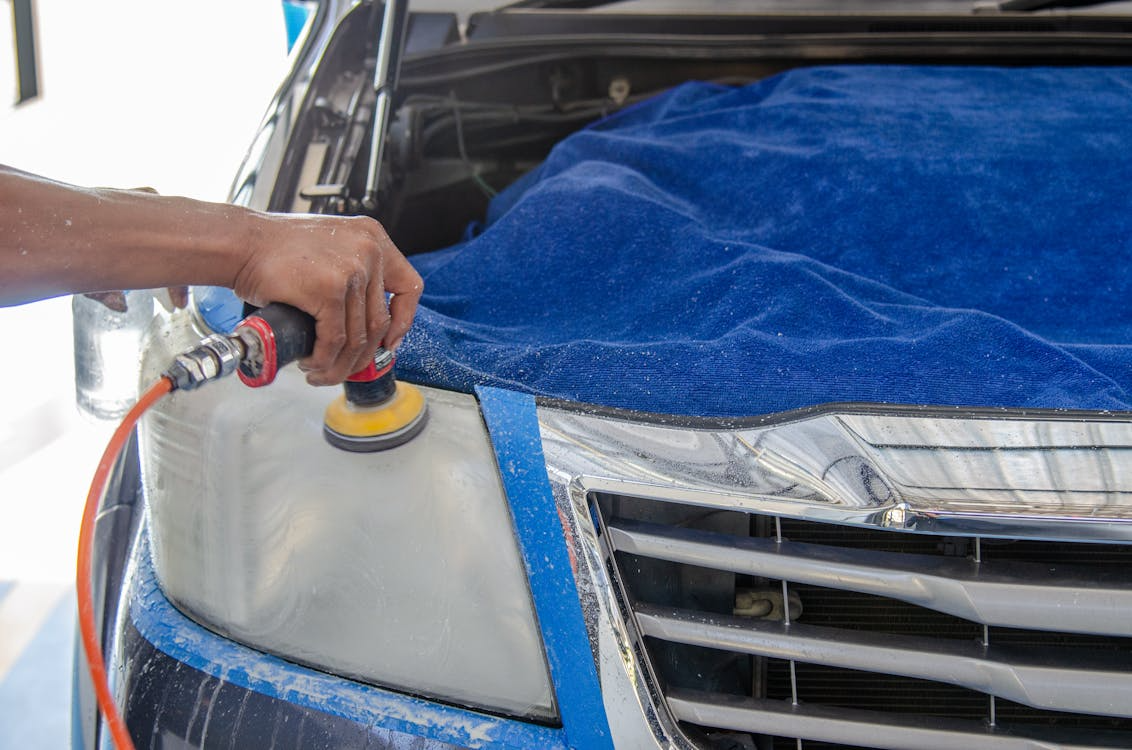
Choosing the right polisher depends on your experience.
- If you’re a beginner, you should start with a dual-action polisher to minimize risk and hone your polishing skills.
- If you’re a professional detailer, get high-level paint restoration with the speed and aggression of rotary polishers.
Remember that your choice of polisher is only one piece of the puzzle: proper technique, quality polishing compounds, and meticulous surface preparation are equally essential here.
Find the Best Car Polishing Tools at Protector Automotive
If you need advanced advice on paint protection & maintaining your polished finish, explore Protector Automotive’s blog and paint protection film (PPF) solutions, alongside our high-performance window tint film products that safeguard your vehicle and enhance its longevity. Make your four-wheeler shine brightly for years to come with our PPF.