How Climate Influences PPF Performance: Choosing the Right Film for the Right Environment
Does climate influence PPF performance? Climate profoundly affects PPF performance. That’s a fact! Extreme conditions like intense UV in deserts accelerate oxidative yellowing. Heat cycles cause expansion & contraction stresses that lead to edge lifts. Also, humidity promotes adhesive hydrolysis and mold. Winter salt abrades surfaces. Coastal corrosion etches topcoats. That’s why you need a different PPF for hot climates.
In short, your PPF’s lifespan becomes 3 to 5 years if you’re not careful!
How Does Climate Influence PPF Performance?
We know that ceramic window tint solutions boost EVs. Different environmental factors end up interacting directly with PPF’s multi-layer structure. It includes topcoats, urethane cores, adhesives, etc. They alter the chemistry and mechanics of your PPF over time. UV photons trigger free radical oxidation in polymers. Heat induces thermal expansion that mismatches and stresses bonds. Humidity hydrolyzes adhesives via water ingress.
Water salt also acts as an electrolyte that corrodes the edges of your PPF. Sand/dust often leads to micro-abrasions that polish away gloss. Coastal sprays speed up putting. But there is a solution. You need UV-resistant paint protection film to avoid these problems. When you match film properties to these stressors, you ensure PPF longevity.
EV Exposure and Oxidative Stress
Sunlight’s UV rays easily pass through the outer layer of PPF. They break down the plastic materials inside and create harmful chemicals called “peroxides.” These chemicals cause the yellowing of your PPF solutions (noticeable after just 2 years). They make the middle layer very brittle, cutting its ability to absorb rock impacts by 30%. That’s why you need to procure winter-resistant PPF solutions that have special additives called HALS.
Heat-Related Expansion & Contraction
When it’s hot outside, car panels can heat up to 50-150°F. Panels also expand about half a millimeter per meter. It pulls and stresses the PPF if it can’t stretch enough (requires at least 400% flexibility). Stiff films end up cracking along the edge or seams from shrink-and-stretch cycles. In areas with 70% humidity, moisture softens the glue layer holding the film to your vehicle. It peels or bubbles over time, so you have to take great care of your PPF.
Environmental Impact on PPF
- Winter Conditions: You have to be careful about salt, ice, abrasions, and thermal shocks. Road salt eats away at edges. It’s very acidic (at a pH under 5). Ice makes your film contract 10x faster than paint, ultimately cracking it.
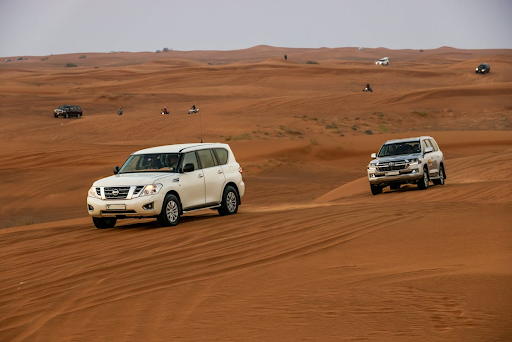
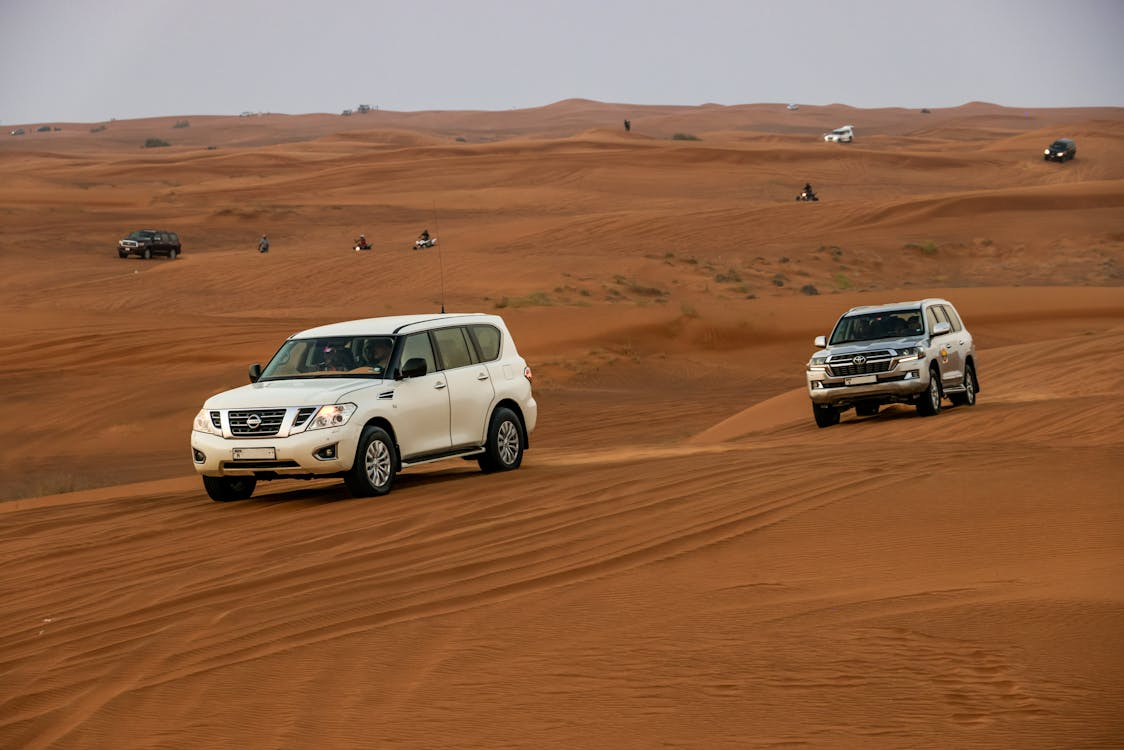
- Desert Environments: Sharp silica sand particles have a hardness level of 7 on the Mohs scale. They scratch the surface constantly. Super-dry desert air causes edges to crack and split due to the lack of moisture.
- Marine Regions: Salt spray from ocean air can form tiny pits in the plastic surface, gradually fogging the film and reducing visibility over time. That’s why you need to invest in climate-specific PPF selection.
PPF in Different Climates
What Happens to PPF in Hot Climates
You should get Protector Automotive’s Protector Sprint to get rid of this problem. In really hot places where temperatures can climb above 95°F, sunlight gets much stronger with high UV levels and intense infrared heat. It makes car hoods feel like ovens at 160°F. This issue can easily turn basic PPF yellow by about 20% in just 2 years because of sun damage, breaking down the material. It causes your PPF’s edges to lift from the metal.
Your metal expands and shrinks daily by 0.8mm. It makes the shiny finish fade away. If you get cheaper films, they weaken the overall PPF durability factors. These films may even get hazy from all the trapped heat. But high-quality multi-layer films made with very special nano-ceramic particles block most of the sun’s total energy and 99% of UV rays. Also, their water-repelling outer layers keep dirt from baking onto your PPF.
What Happens to PPF in Cold Climates
When the temperature drops to -10°F (or even lower), the PPF plastic gets stiff and brittle. It turns into hard candy and takes 24 hours to fully cure. Road salt or ice scrapes away the rest of the surface. Sudden cold snaps shock the glue layer. Good self-healing films can fix small scratches when sunlight provides ample warmth. Super-flexible middle layers stretch over a whopping 450% (even when it’s cold-freezing outside) without cracking.
Tougher outer surfaces stand up to snow plows and grit. That’s why you must always install above 50°F for best results. Let the self-healing magic wipe out swirl marks once everything begins to thaw in spring. Get the best PPF for extreme temperatures!
What Happens to PPF in Tropical Climates
High humidity over 80% weakens the glue holding the film down by 40%. It lets mold grow in tiny trapped water pockets. Dusty wet installs become really messy, too. Waterproof silicone outer layers that have no tiny holes do contain special mold-proof plastics. They can put an end to this problem. Quick-curing, low-stick glues set fast even in muggy air.
What Happens to PPF in Desert Climates
Flying sand hitting at 50mph, digs 5-10 µm, and scratches into the surface. Dust bakes are stuck at 140°F, causing permanent haze over 5%, but hard outer layers (harder than a pencil lead) and films blocking over 70% of sun heat fight back, with self-smoothing plastic that fills in the tiny marks. Special ceramics built to resist quartz sand keep the shine looking new.
What Happens to PPF in Coastal Climates
Ocean salt spray your car with extreme pH from 3 to 11. These salts eat the edges of your PPF away and cause foggy oxidation that builds up 15% haze each year. Advanced silica coatings neutralize the salt attacks and keep heat gain low (while lasting up to 12 years). Top-quality water-hating marine films stay crystal clear through years of salty air.
You Need Climate-Specific PPF Selection
You can pair with premium UV-resistant window tint solutions—tints reject cabin IR, easing film stress; ceramics seal; quarterly washes prevent buildup. Visit our blog to learn all about advanced automotive protection films. Explore Protector Automotive case studies, installer insights, and blog articles for strategies. Get premium automotive protection films today.