How to Polish Your Car Windows: Step-by-Step Guide
Your car windows can become scratched over time. They may develop those stubborn water spots that don’t seem to go away. You often start seeing a dull residue that dirties the clarity of your four-wheeler’s peepers. That’s why car glass polishing is important. Learning the correct car cleaning method helps you remove scratches from car windows easily. This way, you can increase your driving visibility and get rid of this major safety concern.
But how to polish car windows the right way? That’s the question. We know that polishing your car's glass lets you get a crystal-clear finish. It also helps you restore the sheer aesthetic appeal of your vehicle. This blog will share the car cleaning method in six simple steps. You should learn these steps and get your hands on a PPF to secure your car’s paint.
Why Polish Your Car Windows
Dirty car windows are a safety concern. But when your car windows fog up or accumulate dirt on the road, you need to clean them from time to time. Car window cleaning alone isn’t enough; you need to polish your car glass to remove light surface scratches, oxidation, and hard water stains that come from weather & road conditions.
These blemishes scatter the light falling on your windows and lower your driving visibility. They can even cause distracting glare when you drive. Polishing this glass surface leads to better clarity and safety on the road (chiefly when you drive in low-light conditions).
Polished windows give your car a brand-new look that contributes to its curb appeal. You need regular glass maintenance to complement other protective measures. If you have installed Protector Automotive’s PPF or window films, these measures will work better if you prevent the buildup of dirt on your windows. Let’s see how to prepare for glass polishing.
Window Polishing Tools & Materials
You should start by preparing a clean, dust-free workspace to get the best results. Get these tools right away:
- A soft, non-abrasive polishing pad (or microfiber applicator)
- A machine polisher (either a dual-action one or a rotary action one)
- A glass polish compound (like cerium oxide-based formulas created for automobiles)
- A cleaning spray and lint-free microfiber towels for pre-cleaning & final buffing
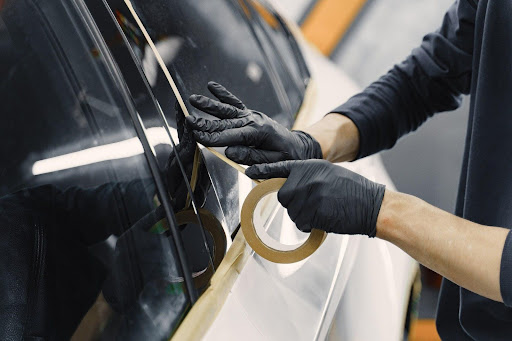
- A painter’s tape to protect delicate trim or window tint edges
- A water spray bottle to moisten the polish and prevent overheating
6 Steps in Car Glass Polishing
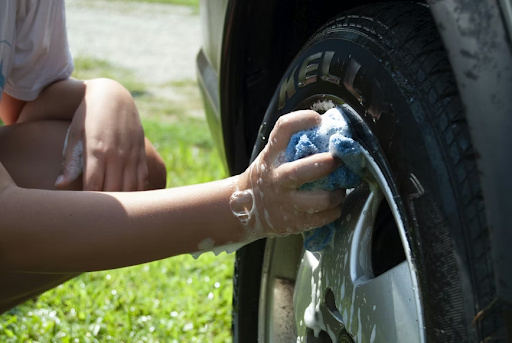
- Clean Your Windows: As we said before, you should always start by washing your car windows with a quality glass cleaner and microfiber cloth. That’s how you can get rid of dirt and debris. This step prevents contaminants from creating more scratches during polishing, so you don’t have to remove scratches from car windows in the future. Also, learn how to remove scratches from your car professionally.
- Look for Damage: Next, you should carefully inspect your car’s painted surface. Do you see any deep cracks, chips, or structural damage? Keep in mind that polishing is good for restoring light scratches and haze, but you can’t repair major damage with it.
- Mask Surrounding Areas: You should also use painter’s tape to cover the trims & seals of your window. Block window tint edges as well. That’s how you can protect these parts from accidentally touching polishing compounds.
- Apply the Polish: You can apply a small amount of glass polish compounds to your polishing pad (or microfiber applicator) at first. Start working on a small section at a time. That’s how you can cover the entire automotive area thoroughly.
- Polish with Controlled Motion: You should set your machine polisher at a pretty low speed (around 600 RPM). Move the pad gently on the surface as you’re busy with car glass polishing. If you’re polishing by hand, you should polish the whole thing in a circular manner.
- Buff and Wipe Clean: After polishing a section, wipe away residue with a clean microfiber towel. Final buffing restores shine and clarity. Continue the process on the remaining glass sections step-by-step. Don’t linger too long in one spot to prevent heat buildup, which can stress the glass.
Expert Advice
- You should never polish in direct sunlight, as the compound will dry too fast and leave grotesque streaks behind
- Apply pressure moderately and gently (excessive rubbing is counterproductive)
- Clean your polishing pads frequently to avoid trapping dirt behind the glass
- Check your work often under different lighting to ensure evenness
Aftercare & Maintenance Recommendations
You should wash your car windows from time to time with neutral, non-acidic cleaners to avoid dulling the surface. Consider applying hydrophobic glass treatments to repel dirt and water. That’s how you can clean your car's glass even more efficiently at the next polishing. Don’t forget to get your hands on high-quality window tint film. Protector Automotive has amazing options that reduce haze and dirt buildup, protecting your glass from UV damage.

Automotive Detailing Tips
After learning how to polish car windows, let’s learn some more helpful tips here:
- Start the process by thoroughly cleaning the glass to get rid of dirt/debris.
- Use a ceramic or cerium oxide-based polish made for vehicular use.
- Apply your polish with a soft microfiber or foam pad (clean it in gentle, overlapping circles).
- Use a dual-action polisher at low speed to avoid overheating and glass damage.
- Keep your polish moist by misting it slightly with water.
- After polishing, you should remove residue with a clean microfiber towel and finish with a glass cleaner for maximum clarity.
- Regular polishing improves visibility, safety, and maintains the aesthetic quality of your vehicle’s windows.
Get Ample Window Tint Protection
Polishing your car windows can increase your driving visibility and on-road safety. You can also restore the sleek finish of your glass surfaces. When you follow the right techniques & use the proper tools, you can achieve professional results that will complement your reliable Protector Automotive Paint protection film (PPF). Explore our blog & product offerings to give your vehicle the comprehensive protection it deserves.