How to Apply an Anti-Fog Film for Your Car: Step-by-Step Guide
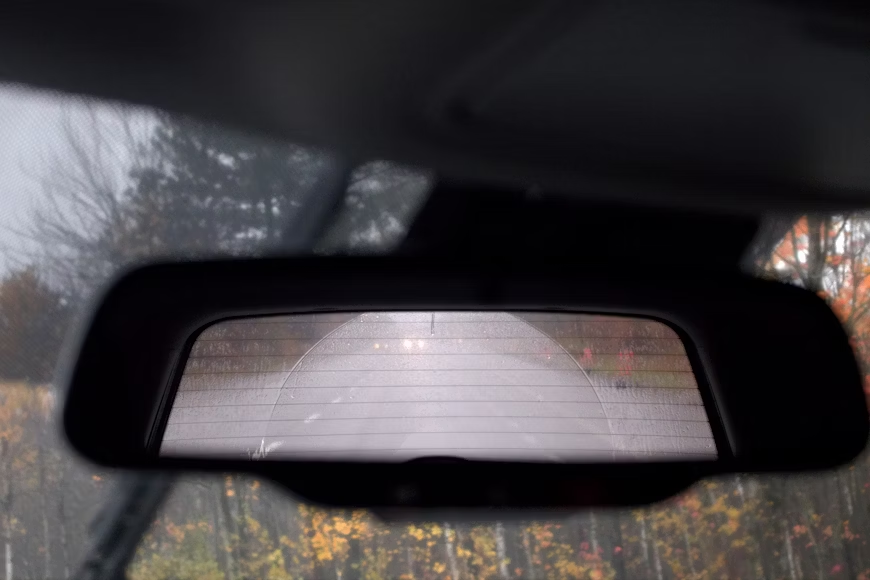
Fogged-up mirrors reduce your driving visibility in cold or humid weather. They can compromise your safety (and the well-being of other drivers on the road). That’s why you need car mirror protection in the form of an anti-fog film. It will prevent fog on car mirrors. Applying this film is very easy. You have to spray your mirrors and apply this film, smoothening it out to make sure there are no bubbles forming. That’s it! It’s not a complicated process at all.
But we’ll still explain how to apply anti-fog film for cars in detail here. We’ll start by going over what these anti-fog films do. Then, you’ll learn their step-by-step application method.
What is an Anti-Fog Film?
If you want to prevent fog on car mirrors, you should consider an anti-fog film. Just like you get a film to reduce glare while driving, these films work against the formation of fog on your car’s mirrors. They have a hydrophilic coating that disperses water droplets evenly across the mirror’s glassy surface. So, fog doesn’t form on this surface. You’ll notice a transparent and thin water layer forming on the surface of your mirrors instead of those disruptive foggy droplets.
These films are very versatile. You may apply them to side mirrors, backup cameras, interior vehicle windows, and even electronic displays within the car. That’s why they are an essential accessory in modern vehicles. With moisture gone, you see everything clear as day. These films also withstand temperature fluctuations and reduce the need for manual wiping or defogging.
Anti-Fog Film Installation Guide: 7 Crucial Steps
Spray the Surface
Once you have all your automotive detailing accessories and installation tools at hand, you can complete this process by cleaning the surface of your mirror very thoroughly.
Create a blend of soapy water solution to clean your mirrors. Remove all traces of dust, grease, or oils that may impair the film’s adhesion. Once the surface of your mirror is completely dry, you can apply this film to provide the best conditions for it to bond effectively.
You should apply the film in a clean, dust-free environment. Ideally, do it indoors (or find a fairly shaded area). Choose temperatures between 5°C and 40°C for this process.
Peel Protective Backing
The next step is to peel away the protective backing very carefully from the adhesive side of the anti-fog film. You should be careful not to handle the film by its edges alone, as it contaminates the adhesive with your fingerprints. If any contaminants get on the adhesive, they can lead to bubbles or affect the adhesion process. Some films have a colored dot or marker to identify the adhesive side, so use this as a guide.
Position the Film
You should place the wet adhesive size of the film onto the sprayed mirror or glass surface. Start at one edge and then keep working across gradually. The soapy water lets you slide and reposition the film to align it perfectly over the mirror/window. You should take your time making sure that you have fully covered it without overlapping onto unwanted areas. Don’t go into areas like the frame of the mirror or the surrounding trim.
Adjust for Coverage
While the film is still wet and movable, you should make final adjustments to make sure that the entire mirror/window surface has been covered evenly. Excess film should be trimmed at a later stage. Now, you can focus on correct alignment instead of going for an exact fit. Keep checking the edges and corners to avoid curling or lifting that may lead to peeling.
Remove Air Bubbles
This step is very crucial. If you do this right, you get a flawless finish.
- Use a credit card wrapped in a soft microfiber cloth to smooth the film down
- Begin at the center of the mirror/window and push outward toward the edges to force trapped air or excess moisture out.
- Apply steady, firm pressure (but avoid scratching)
- Repeat this process thoroughly to minimize bubbles and wrinkles
Inspect and Trim
Once all the bubbles & wrinkles are out, you should inspect the film visually from multiple angles in good light. Do you see trapped particles or air pockets anywhere? Uneven edges? Use a very sharp precision blade to trim any film that extends beyond the mirror’s edges. Always trim slowly and avoid cutting too much, since it may compromise the coverage of your anti-fog film.
Drying Phase
In the end, you should let the film dry naturally without touching it. Don’t wipe it to speed up the drying process. Drying time depends on ambient temperature & humidity. It may take several hours! Just make sure the film is not exposed to dust or moisture during this period.
When the film dries completely, its adhesive will bond firmly to the surface. It’ll then activate its anti-fog properties. Some films even have a second protective liner that needs to be peeled off after complete drying. That’s when it eventually reveals the clear, fog-free film beneath.
Tips for Anti-Fog Film Maintenance & Longevity
- You should never stretch the film during the installation process. That’s how the film retains its visibility and durability. After you’ve installed this film, you must verify mirror adjustments to maintain proper angles & visibility.
- Replace the filter if it shows signs of wear or damage. Anti-fog films are compatible with other automotive protection treatments like detailing, PPF, or window tints.
- Clean the film gently with non-abrasive products and soft cloths. Avoid harsh chemicals, abrasive pads, or sharp objects that can damage the film surface.
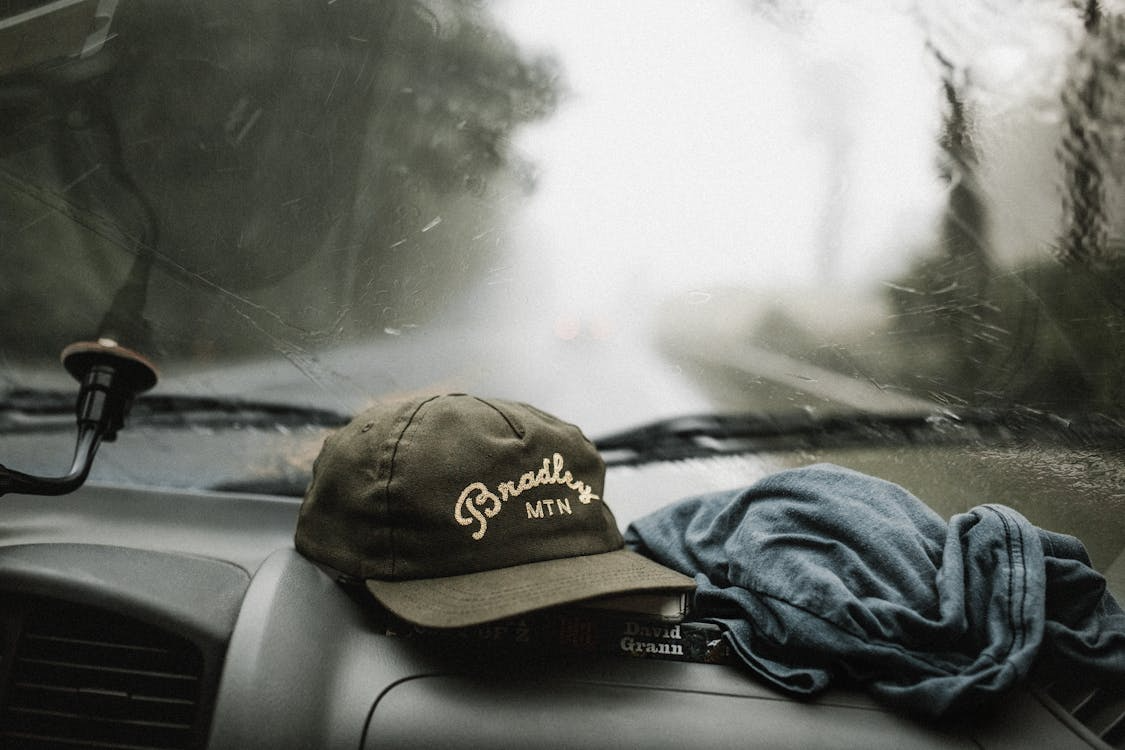
Prevent Fog on Car Mirrors with the Right Setup
Applying an anti-fog film is an effective, straightforward method to enhance visibility and driving safety in adverse weather. It’s the same as applying Paint protection film (PPF). If you need more expert automotive care advice and premium product options, visit Protector Automotive’s blog and explore our collections of paint protection films and window tinting solutions that keep your vehicle looking and driving its best.