Car Polishing: What Are the Different Types of Pads?

Car polishing pads can restore your car’s paint finish. Automotive dealers give your vehicles a near-showroom quality with these pads. Some of the best paint correction techniques include polishing pads. But the effectiveness of these pads depends on the type you are using. That’s because pads control the level of cutting power and heat generation.
The result? Different types of polishing pads give you a different level of paint finish gloss. You should realize that polishing pads can be foam, microfiber, wood, etc. You should choose a type based on what type of correction you want. This article will explain different types of pads. You’ll also learn about foam vs microfiber polishing pads. So, let’s begin!
What are Car Polishing Pads?
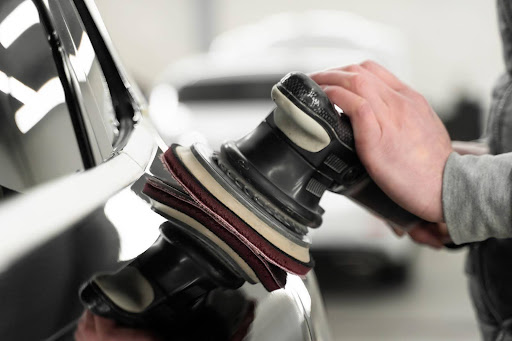
Detailers use different paint correction techniques to restore your car’s immaculate look. Lots of these techniques use a polishing pad. It’s an applicator attached to a machine polisher. Your polishers can be rotary or dual-action (DA). Polishing pads apply waxes/polishes evenly on your car’s painted surface. Some types only enhance your four-wheeler’s surface gloss. Others will correct severe paint defects. So, how aggressively do you want your polishing pads to work?
Choosing the right type of pad means it’ll generate the right amount of heat during polishing. So, the quality of your car’s finished surface depends on choosing the correct type. If you select the wrong pad, it may lead to insufficient correction or even paintwork damage. That’s why detailers need to understand the many types of pads and which ones to use for your clients.
Exploring the Main Types of Polishing Pads
Foam Pads
Let’s start with foam pads. They are very common in car polishing & detailing. They’re available in open-cell designs that give your car’s paintwork amazing breathability and heat dissipation. A foam pad is available in these shapes:
- Cutting Pads: They are made from firm, dense foam. You get strong abrasions from these pads for removing deep scratches and swirl marks. If you’re on cutting/correction stages, use cutting pads. But they should be handled by skilled users.
- Polishing Pads: Medium-density foam pads give you moderate cutting power. You may use these pads to refine your car’s painted surface after heavy correction. They help you remove light paint defects and prepare a client’s vehicle for final touch-ups.
- Finishing Pads: Soft, plush foam pads provide gentle application of finishing polishes or waxes to enhance gloss and clarity, leaving a smooth and reflective surface.
Microfiber Pads
When we do a little foam vs microfiber polishing pads, we learn that microfiber pads give you a more aggressive cutting action than foam pads. They have densely woven fiber strands that can deliver amazing mechanical abrasion. So, you get rid of stubborn defects right away. These pads are good for heavy compounding tasks. They offer better heat dissipation than foam. So, you don’t damage a client’s car’s paint. But they are also not fit for beginners.
Wool Pads
Wool pads use natural/synthetic fibers. You may use them for aggressive paint correction. They remove deep scratches and heavy defects. Wool pads also hold large amounts of compound; they make them good at cutting. But they dissipate a lot of heat. If you’re not careful, you may damage the paint. But using them makes your car okay for softer polishing pads.
Hybrid/Specialized Pads
Hybrid pads are a blend of foam and microfiber/wool pads. They give a balanced performance between cutting and finishing. These pads also offer you a lot of versatility. You can handle a wide range of paint conditions without going from one pad to another. They may come in various shapes, like:
- Wet sanding pads for use with water and abrasives, tackling very deep paint defects
- Glass polishing pads for non-abrasive pads crafted to polish automotive glass safely
- Metal polishing pads for specifically designed for buffing metal trim without scratching.
How to Choose the Right Pad for Your Car
We now know what makes these types of pads different from each other. You should choose the right type based on:
- Paintwork Condition: Check the defects in your car’s paintwork. Deep scratches and oxidation marks need aggressive action. But polishing/finishing pads are enough for those minor swirls.
- Correction Level: Does your car need heavy correction (cutting), moderate refinement (polishing), or final enhancement (finishing)?
- Polisher Type: Different machines (rotary, dual-action, forced rotation) perform better with specific pads due to variations in speed, orbit, and heat production.
That’s why you should start with a test area using a cutting/polishing pad (+ compound). Adjust the pad and product combo to see if you can achieve optimal correction with this blend. Then, you may use Protector Automotive’s paint protection film (PPF) for better results. They work quite well on motorcycles, so that’s something you should keep in mind.
Vehicular Pad Maintenance Tips
You should always choose the right automotive detailing tools to make sure your clients are happy with the polishing work. Consider these tips to achieve consistent waxing performance:
- Clean pads after each session to remove polish residue and prevent load-up
- Wash pads regularly using appropriate cleaners to prolong lifespan
- Store pads properly in a dry, dust-free environment to avoid contamination
- Replacing worn or damaged pads promptly ensures optimal polishing results and protects paint quality.
Polishing pads help you achieve a flawless finish. But don’t forget that they have drawbacks as well. They are not foolproof methods to protect your car’s glossy finish forever. They may:
- Generate so much heat that it damages the car’s paintwork and even burns it
- Cause swirl marks (especially wool or hard microfiber) or holograms on delicate paints
- Lead to wear and contamination if you don’t clean your cleaning pads frequently
That’s how you should get extra protection for your cars with a Protector Sprint right away.
Keep Your Car in the Best Condition
Understanding different polishing pad types helps you choose the right pad for your car’s paint condition. That’s how you enhance & protect automotive surfaces. If you are looking for expertly formulated paint protection films and premium detailing products that complement polishing work, visit Protector Automotive. Our paint protection film (PPF) solutions deliver long-lasting finish protection and elevate every stage of vehicle care.