What Are the Regulations on Wastewater in Car Detailing?
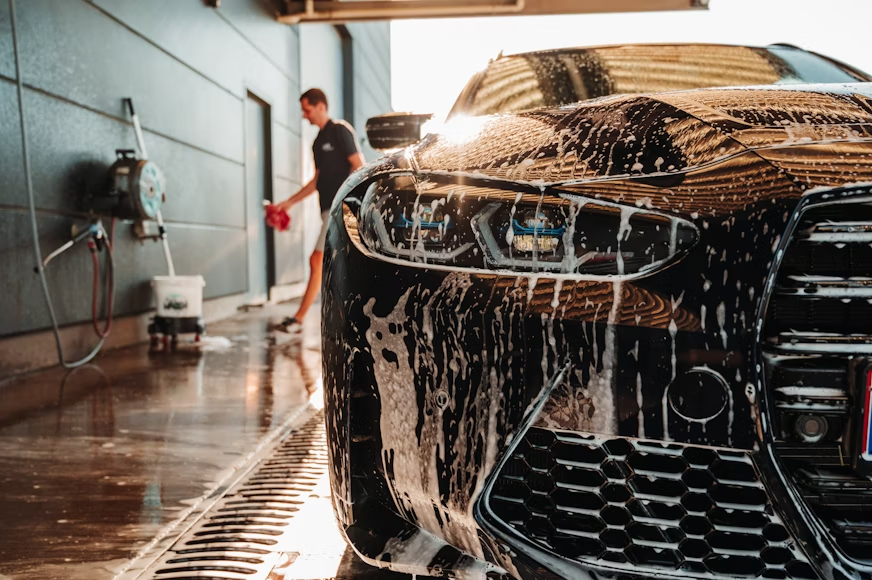
Car detailing requires a lot of water. Some experts estimate that detailers use 20 to 50 gallons on a single vehicle. So, a lot of wastewater is also generated in the process. This wastewater contains many different chemicals, oils, detergents, and residues. Since these elements are bad for the environment, wastewater regulations in car detailing exist. You need to understand these car detailing environmental regulations when you are working on a client’s car.
When you dispose of this wastewater improperly, you are basically contaminating the soil (and eventually the groundwater in your city). That’s why wastewater management for detailers is so important. You may face serious legal consequences if you don’t manage this wastewater the right way. Let’s learn about the eco-friendly methods to get rid of car detailing wastewater.
What Is Wastewater in Car Detailing?
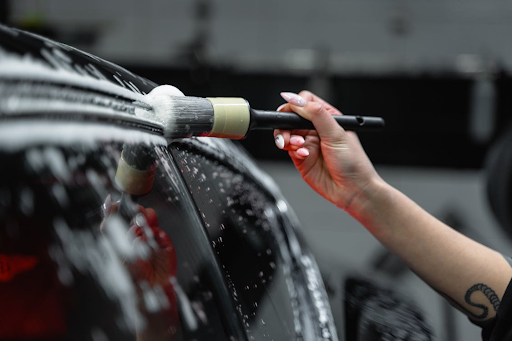
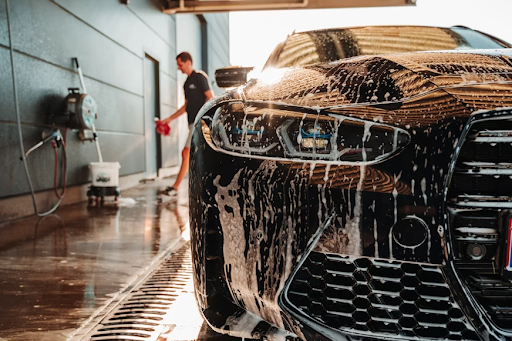
Car detailing wastewater is the runoff you get when you are washing, rinsing, and polishing a car. It carries detergents, cleaning chemicals, heavy metals, dirt, and other pollutants. These contaminants detach from the vehicle’s surface. If you work in these industries, you have to deal with this wastewater:
- Detailing workshops and fixed-location car wash facilities
- Mobile detailers who perform on-site vehicle cleaning
- Self-service wash bays where the owners get the equipment they need to wash their cars
- Drainage from oils, grease, dirt, cleaning agents, and vehicle residue dislodged during the cleaning process
Explaining Wastewater Management for Detailers
Environmental authorities regulate wastewater from car detailing and make sure this water does not contaminate the soil. These regulations also protect groundwater and surface water bodies. Detailing wastewater has hydrocarbons and suspended solids that reduce oxygen levels in your local aquatic ecosystems. They disrupt the process of photosynthesis. They are also a major risk for drinking water sources. If they clog storm drains, they may lead to urban flooding.
Wastewater management regulations require your business to collect and filter this water before disposing of it. You’ll use approved treatment systems for this purpose. These systems include oil-water separators and sedimentation tanks. That’s how you can make sure that this polluted water doesn’t harm nearby urban infrastructures or enter people’s bodies via groundwater.
Key Wastewater Regulations in Car Detailing
No Discharges to Storm Drains or Natural Waterways
You CANNOT discharge car detailing wastewater directly into storm drains or natural water bodies. These are non-permitted areas because discharging contaminated water into them pollutes aquatic ecosystems. It also leads to groundwater contamination. Your local water management systems may be disrupted this way. Illicit discharges result in hefty fines, legal action, and harm to community health.
Using Approved Collection & Filtration Systems
Your car detailing facility needs proper infrastructure to collect and treat this wastewater before discharging it. You’ll use oil/water separators for this purpose. These separators will remove all (or most) pollutants like hydrocarbons. Sediment traps will capture particulate matter. Advanced filtration units reduce chemical contaminants in your car detailing wastewater. That’s how you make sure that this wastewater complies with your state’s environmental quality standards.
Mobile Detailers
Mobile detailers operate off-site and have no fixed facilities. They employ portable wastewater recovery units. Regulations expect them to get containment mats or water reclamation systems as well. These measures prevent this wastewater from running off into storm drains or soil.
Permitting
Many jurisdictions also mandate that car wash & detailing businesses get wastewater discharge permits. These permits specify discharge quality thresholds. They also monitor obligations and do recordkeeping duties. You need to test your facility’s wastewater from time to time to ensure it is clean enough to be discharged.
Wastewater Management Tips for Professional Detailers
- Implement Containment Mats and Recovery Systems: You can use tinted films and containment mats for your off-site facility. Portable recovery units will prevent wastewater runoff from entering storm drains or waterways. These tools will capture and contain all wash water for proper disposal.
- Employ Biodegradable, Non-Toxic Cleaning Products: Choosing eco-friendly tools and cleaning agents is very important. These detergents will reduce the chemical load in wastewater, making car detailing treatments much more effective. Use biodegradable products that break down naturally (and don’t have ammonia or phosphates).
- Train Staff on Environmental Safety Protocols: Proper training makes sure that your employees understand the value of wastewater control. Learn how to use containment & filtration equipment properly. They should also understand how to handle and dispose of wastewater safely.
- Schedule Periodic Inspections and Equipment Maintenance: Regular inspection and maintenance of oil/water separators, sediment traps, and water recycling systems guarantee ongoing effectiveness. Well-maintained equipment reduces pollutant discharge, avoids costly breakdowns, and ensures consistent compliance with permit conditions.
How Clean Detailing Protects Your Vehicle
Sustainable detailing practices minimize the risk of residue and chemical buildup on vehicle surfaces. Proper wastewater management makes sure that the quality of paint on your vehicles doesn’t lose its glossy finish easily. Your car’s protective coatings, like Protector Carbon Gloss, also remain there for a long time. When you control this wastewater discharge and choose the best eco-friendly car detailing methods out there, your reputation reaches new heights.
That’s why professional detailers create an optimal surface condition conducive to the flawless application of advanced protective solutions like paint protection film (PPF) and window tinting. Protector Automotive’s premium surface protection works synergistically with your car detailing practices. These solutions make your car’s exterior more durable and contaminant-resistant.
You can mitigate wear & tear without compromising the aesthetics of your ride. Eventually, we can see that responsible wastewater practices with quality surface protection become a highly practical approach to automotive care. Visit our website to learn more about our products.

Adopt Sustainable Detailing Practices Today
Responsible wastewater management for detailers helps with regulatory compliance and protects your environment. When you adopt these best practices and eco-friendly technologies, you can safeguard natural resources and retain customer trust. Explore Protector Automotive’s blog and product offerings for sustainable car protection. Achieve detailing excellence with the most reliable paint protection film (PPF) solutions we have to offer.