PPF and Leasing: Why It’s a Must for Leased Vehicles
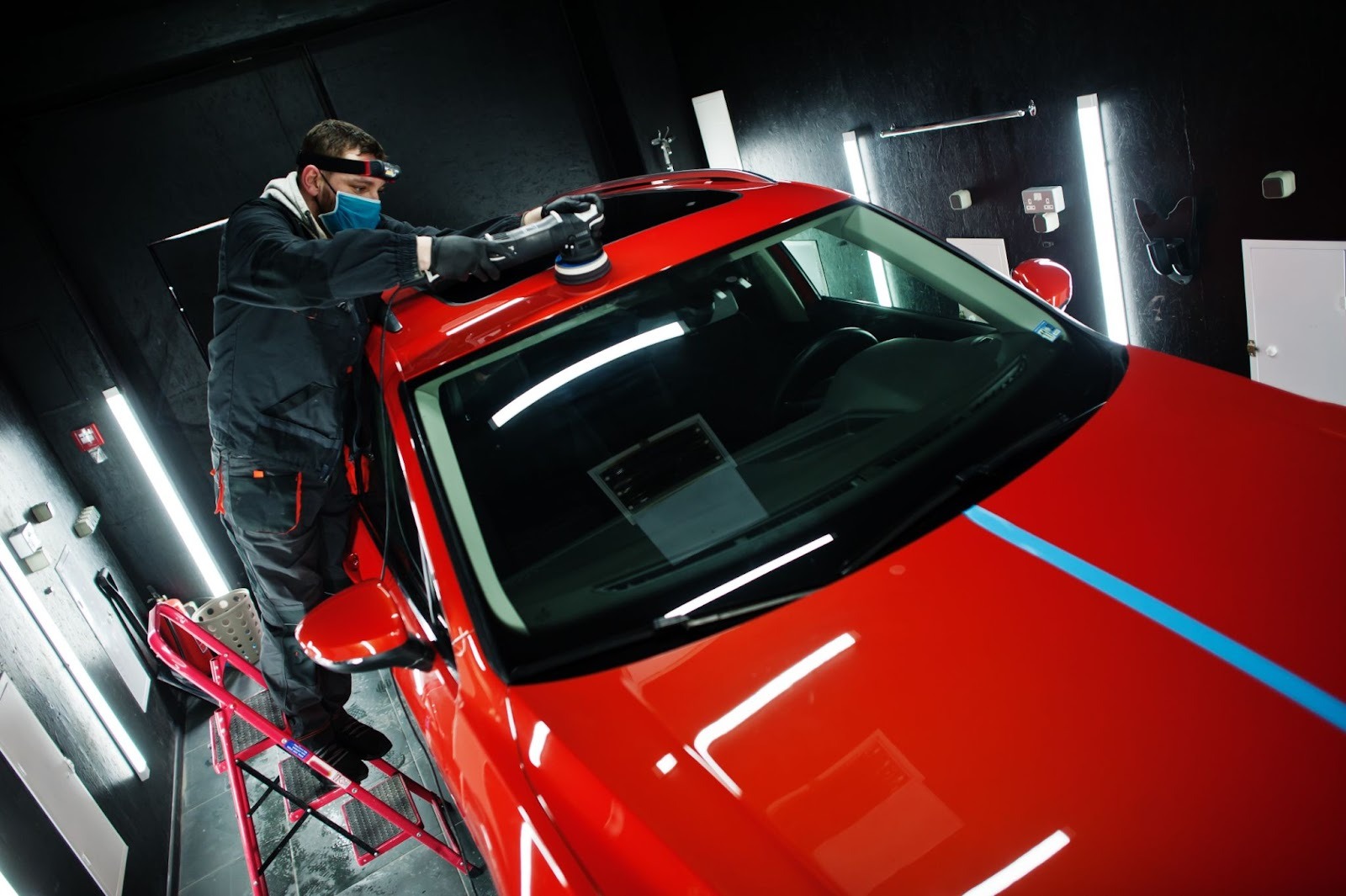
What if a chip the size of a rice grain on your hood cost you real money at lease return? It happens more than most drivers expect. The bill shows up at the end. The damage looked minor. The fee does not.
Leasing is simple: you use the car for a set term, then hand it back in good condition. Anything past “normal wear” can trigger charges. Paint Protection Film (PPF) is a clear, tough film that sits on top of the paint. It helps stop chips, scratches, and stains before they reach the finish.
Here’s the catch. Lease inspections are strict. Front-end chips, door-edge rub, and handle scuffs often get flagged. One by one, they add up. That is why PPF for leased vehicles is no longer a nice-to-have, it’s smart protection.
PPF acts like a shield between your paint and the road. It takes the hits from gravel, tight parking, and daily use. You enjoy the car without the constant worry. You lower the odds of surprise fees at the end.
With Protector, you have a partner who makes this easy. We tailor window films and PPF to your car and your route. Inside, UV gets blocked. Outside, the paint stays clean and sharp.
Want to keep more money in your pocket on return day? Keep reading, the sections below show the real risks, the best areas to protect, and the simple plan that helps you pass inspection with confidence.
The Reality of Leasing and Damage Costs
Lease terms expect normal wear. But “normal” is narrow. A few chips on the front bumper can be flagged. A scuff under the door handle can count. A scratch on a mirror cap can trigger a repair. Each item may mean a separate charge.
Highways throw grit and stones at the nose of your car. City parking adds door rubs and handle marks. Wash swirls can haze high-touch areas. Over a two- or three-year term, these small hits add up. At return, an inspector lists them. You pay for paint work you never planned.
These small hits add up fast at inspection time. To see the bigger picture of paint preservation, understand why using car body protection film is essential for maintaining your vehicle’s finish.
PPF works like an invisible shield. It takes the hit so your paint does not. It resists chips from gravel. It helps prevent scuffs from bags and keys. It also shrugs off many bug stains and light road tar. When the film is in place, the surface stays closer to “like new.” That is real end of lease car protection you can see and feel.
Many drivers now treat paint protection film leasing as part of the plan. They put the film on early. They enjoy a clean car during the term. And they hand back a vehicle that looks cared for.
Benefits of Using PPF on Leased Vehicles
Protection from Wear and Tear
PPF absorbs the abuse that roads and parking lots send your way. It helps stop chips on the bumper and hood. It reduces scuffs near door handles and edges. It protects mirror caps and lower doors from grit. Think of it as the car lease protection film that works every day without fuss.
Discover our automotive paint protection films for leased vehicles and see how easy it is to safeguard your car’s finish from costly return-day damage.
Cost Savings
Repairing paint is costly and slow. PPF aims to prevent the need for paint work in the first place. By keeping the finish intact, you reduce prep, repaint, and blend jobs. That can cut surprise bills before return. You also save on small “smart repairs” that often pop up in inspections. In simple terms, protect now to pay less later and avoid lease return charges.
Preserved Appearance
A clean, glossy finish sends the right message. PPF helps paint stay bright and even. It resists many stains and makes washing easier. Your car looks cared for at every handover, meeting, or family trip. That pride matters for personal drivers and for business fleets. It also supports resale value if you buy the car at the end.
Peace of Mind
You want to use your car without stress. PPF gives you that freedom. Park at the mall. Drive on a gravel stretch. Load the trunk. Handled with care, the film takes the small hits. You worry less and enjoy the drive more. Pair it with simple lease car maintenance tips like safe washing, microfiber drying, and quick bug removal. The result is steady, low-effort protection.
Together, these benefits show why automotive paint protection for leased cars is a smart and friendly move. You get daily value and a smoother return.
Ideal Areas to Protect with PPF on a Leased Vehicle
Front Bumper and Hood
This is the impact zone. Road grit and stones strike here first. A PPF kit for the bumper and the leading part of the hood blocks most chips. On highways or rough roads, this area pays for itself fast.
- Sedans: A full bumper and partial hood coverage guard the thin paint on the nose. Add headlight film for extra clarity and chip defense.
- SUVs: The tall face catches more debris. Consider full bumper, partial or full hood, and the top of the fenders.
- Commercial fleets: Vans and pickups see heavy mileage. Full bumper and full hood film help maintain a uniform fleet look.
Side Mirrors and Doors
Mirror caps are chip magnets. Doors face parking rash and bag scuffs. PPF on mirrors, door edges, and high-touch zones around handles protects these spots.
- Sedans: Mirror caps and driver-side door edges get hit most. Add handle cup film to stop nail marks.
- SUVs: Wider doors meet tight parking spaces. Add lower door strips to resist road spray.
- Fleets: Delivery use means frequent door cycles. Film on edges and handles prevents constant touch-up.
Rear Bumper Edges and Door Handles
Loading and unloading scratch the rear bumper lip. Bags, strollers, and tools leave marks. PPF on the top edge guards the paint.
- Sedans: Trunk sill film blocks suitcase rub.
- SUVs: Cargo loading is daily. A wider rear bumper strip saves the paint.
- Fleets: Toolboxes and cartons can gouge paint. Rear film is a must for uniform, clean returns.
Add rocker panels and lower doors if you drive on gravel or in winter grit. These strips take the sandblast that eats paint over time.
Why PPF is a Smart Financial Decision

PPF is an investment in risk control. Paint work at return is pure cost. It gives no joy and steals time. PPF flips the script. You pay once to lower risk, month after month.
Think about the common damage list: front bumper chips, hood specks, mirror nicks, door-edge rub, trunk sill scrapes. Without PPF, you may face multiple small repairs. Each needs scheduling and approval. Some need blending into nearby panels. That can grow fast.
With PPF in place, many of those items never reach the paint. You hand back a car that fits the “normal wear” box more often. For private lessees, that can mean fewer deductions and a calm return day. For business lessees, it means fewer disputes, less downtime, and a better image across the fleet.
There is also time value. You avoid last-minute body shop visits. You keep teams on the road. You keep family plans simple. PPF supports smooth operations and steady costs. Over a two- or three-year term, the math makes sense for many drivers and managers.
Conclusion
Keep your return day simple. PPF for leased vehicles helps you avoid penalties, keep the paint looking sharp, and protect your investment from day one.
If you want real end of lease car protection, act now. Talk to Protector Automotive about the right coverage for your car or fleet. We’ll tailor a clear, tough film that fits your use and your budget. Protect the finish. Hold the value. Reach out to our team and get a plan in place today.