Why Installers Prefer Multi-Layer PPF: The Science Behind Enhanced Durability

Professional installers prefer the multi-layer PPF durability over the usual PPF’s short-term reliability. A multi-layer PPF has a stratified construction, meaning that multiple specialized layers work together. These layers absorb even major impacts, seal-heal rapidly, and offer you a decade of longevity. That’s why they far outpace their single-layer alternatives.
This advanced film stacks a hard topcoat and elastic polyurethane core. Precision adhesive distributes stresses from rocks and scratches to minimize your car troubles. That’s why the best automotive professionals recommend a multi-layer paint protection film (PPF).
Understanding PPF Composition: What’s It Made Of?
PPF production starts with the extrusion of high-grade thermoplastic polyurethane (TPU). It is coated in controlled environments to form precise layers. Manufacturers also calibrate its thickness and hardness via co-extrusion. That’s how this TPU integrates seamlessly without any delamination risks. This PPF technology explained helps us understand what actually makes a multi-layer PPF so much different (and, of course, better) than a normal one.
The topcoat is typically 1 to 2 mils of aliphatic urethane. It provides amazing self-healing via heat-activated polymers that flow to fill swirl marks. You retain your automotive paint’s gloss. This TPU resists chemicals like bird droppings, tree saps, bug acids, etc. The polyurethane core (6 to 8 mils thick) acts as the impact buffer with high elongation (up to 300%).
The adhesive layer is a clear acrylic or silicone hybrid. It bonds securely to your car’s paint without residue. It stretches over contours while peeling clearly (if you need it). This tri-layer design optimizes each component’s role in your many-layered paint protection film.
Hopefully, this automotive protection film engineering helped you understand what truly makes a multi-layer PPF so much better than your usual single-layer PPF options.
What Makes Multi-Layer PPF Different?
Intentional Layer Stacking
Multi-layer PPF excels through intentional layer stacking. Each stratum reinforces the next for compounded performance. This creates a composite barrier tougher than the sum of its constituent parts. This technology leverages materials science to distribute forces across all specialized components. Unlike uniform films, the stratified design of this PPF makes sure that no single layer bears the full brunt of environmental stress. You can get similar benefits from ceramic window tint solutions offered by Protector Automotive.
Stone Chips & Impact Deflection
You get better resistance against stone chips through core flex. The elastomeric middle layer deforms to resist up to 2x the impact energy of single-layer films. High-speed debris strikes the hard topcoat first. The topcoat glances it away. The core absorbs residual kinetic force without transmitting it to the underlying paint, offering you multi-layer PPF durability.
Micro-Scratches and Surface Self-Repair
Micro-scratches self-repair on the topcoat via embedded thermoplastic urethanes. These urethanes activate under mild heat. They flow and fill swirls, restoring a flawless surface. This top layer’s nanotechnology makes it really hard. It easily shrugs off daily wash abrasion that would etch simpler films.
UV Exposure Blockage
When you get a multi-layer paint protection film, UV exposure is blocked by dedicated stabilizers. These stabilizers prevent photo-oxidation that causes yellowing or brittleness. But multi-layer segregation keeps inhibitors concentrated where they’re most needed.
Chemical Contaminants and Hydrophobicity
Chemical contaminants bead off hydrophobic surfaces. Silicone-infused topcoats achieve contact angles over 110° for superior sheeting. Acids from bird droppings or bug splatter fail to etch as well. Not your porous single-layers that absorb and degrade fairly easily.
Road Debris and Edge Penetration
Road debris like salt or gravel fails to penetrate edges due to advanced sealants and other micro-channel adhesives that usually repel moisture ingress. This prevents delamination in harsh winters or coastal climates, as we learn from the PPF technology explained.
Proven Test Results
SAE J400 gravelometer simulations mimic highway abuse on your PPF. But multi-layer firms show zero penetration after a thousand impacts. Accelerated weathering (ASTM D7869) can confirm 2x cycles to failure that validate real-world superiority for installers and owners.
Scientific Principles Behind Multi-Layer PPF Durability
Multi-layer PPF’s shock dispersion quality relies on multi-layer energy absorption. When you hit an obstacle, kinetic force flows into the PPF’s viscoelastic core through the rigid topcoat. It dissipates via shear deformation rather than brittle fracture. This also follows viscoelastic damping models that usually convert at least 70% of this kinetic energy into heat.
That’s why we call it the high-durability PPF. Also, improved elasticity incorporates shape memory polymers that snap back post-deformation and maintain contours. Heat-activated self-healing uses thermoplastic urethanes that soften at 40-60°C (sunlight/hot water). They allow molecular flow to easily erase swirl marks via capillary action. That’s why advanced automotive protection film engineering gives you better paint protection results.
UV stabilization uses hindered amine light stabilizers (HALS) and benzotriazoles in proper, dedicated layers. It quenches free radicals to prevent chain scission and yellowing. Also, a multi-layer coating resists cracks through different moduli for more than 10 years.
Why Installers Prefer Multi-Layer Paint Protection Film
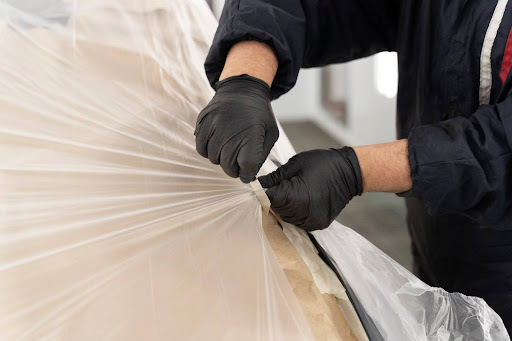
Multi-layer PPF’s Easier installation comes from its superior stretch (500%+ without tearing). Its low-temperature conformability glides over curves & edges without kinks/lifts. Moreover, precision-cut kits reduce waste by 30%. If you get nano-ceramic PPFs, you can reduce the problem of warranty issues as well. So, you can cut warranty claims.
Higher customer satisfaction follows from flawless finishes and proven resilience. You easily get greater long-term value for your clients. Because a single application is now lasting 10+ years. Compare it with the max 5-year longevity of traditional PPFs.
Real-World Applications
- Daily-use vehicles benefit from all-weather resilience that shrugs off urban grime and parking lot dings.
- Luxury cars preserve showroom gloss on hoods & mirrors, which is more than ideal for enthusiasts. Commercial fleets cut repair downtime 40% with front-end kits for 100,000+ miles.
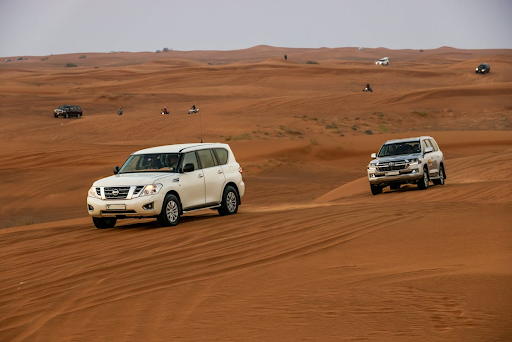
- Off-road rigs handle branches and mud without film tears. Long-term leased vehicles maximize end-of-term value via invisible protection that appeals to managers.

Get PPF Installer Insights from Protector Automotive
Protector Automotive's advanced high-durability PPF solutions (Gloss, Matte, and Matte Satin) can deliver installer-grade performance with hydrophobic ease and self-healing tech. Multi-layer PPF is slowly cementing as the industry standard through engineered layering that masters shock, healing, and longevity. You can now elevate your strategy with Protector Automotive’s expertise and advanced PPF construction.
Get our advanced multi-layer PPF solutions for your vehicle.