Top 5 Myths About Automotive Detailing Debunked
If you want your car to keep looking great while also protecting its value & longevity, you need proper automotive detailing. But some widespread automotive detailing myths and prevalent car detailing misconceptions mislead car owners into making poor maintenance choices that harm their vehicles’ finish. But you’ll find these detailing myths debunked in this article using professional car detailing facts. We’ll also provide some tips to maintain your four-wheeler.
Myth #1: New Cars Don’t Need Detailing
New cars may look flawless, but they frequently ship with imperfections like swirl marks and rail dust. They also have residue from the transport/dealership washing process. If you don’t resolve these issues, the clear coat of your car’s paint will degrade. But automotive detailing:
- Corrects these defects through paint correction & polishing
- PPF and ceramic coatings preserve your car’s showroom finish against UV rays, dirt, & environmental damage
- Early protection prevents the sped-up aging process that your vehicle’s untreated paint can suffer in harsh climates
The best practice in this scenario is to invest in a new car protection package with correction & advanced coatings. That’s how you can start your vehicle’s life protected from dust!
Myth #2: Washing Is the Same as Detailing
A basic wash will only remove loose dirt and surface grime. However, automotive detailing is a multi-step process that cleans, restores, and protects every part of your vehicle. Debunking one of the most prevalent automotive detailing myths, we’ll explain that car detailing:
- Includes deep cleaning that removes bonded contaminants like tree sap, brake dust, and tar that normal washing misses
- Paint correction removes swirl marks and minor scratches to restore the clarity of your car’s finish
- Protective layers like automotive window film + PPF & ceramic coatings will shield your car’s paint from future damage
- Addresses interior surfaces and may also include engine bay cleaning
You should treat washing as regular maintenance and detailing as a specialized service that will boost and preserve your vehicle’s condition. So, washing is very different from detailing.
Myth #3: Waxing Once a Year Is Enough
One of the most popular car detailing misconceptions is that waxing once a year is enough. Keep in mind that traditional wax is temporary. It breaks down quickly under UV exposure, acid rain, road chemicals, etc. So, the protection you get from it is quite limited.
- Wax lasts weeks or months at best, and then you need to reapply it
- More modern solutions like ceramic coatings bond chemically for years to give you very durable, semi-permanent protection
- PPF also offers a physical shield against chips & abrasions that wax just can’t prevent
- Neglecting advanced protection leads to accelerated paint fading & costly repairs
Replace infrequent waxing with professional-grade coatings and maintenance detailing tailored to your environment. That’s how you’ll increase the lifespan of your car’s paint.
Myth #4: Detailing is Only About Making the Car Look Clean
Let’s share some reliable professional car detailing facts with you. The benefits of detailing extend far beyond mere aesthetics. These aesthetics preserve your vehicle’s structural integrity and resale value. Some major advantages of automotive detailing include:
- Remove contaminants that lead to corrosion and oxidation
- Clean headlights and glass for better visibility and safety
- Shield paint, trim, & interior from UV rays, pollutants, moisture, etc.
- Prevent wear & fading while preserving materials like leather and fabric
Myth #5: PPF Eliminates the Need for Detailing
There’s no doubt that PPF is an excellent barrier against physical damage to your car, but it still fails to serve as a complete replacement for professional detail services. That’s because:
- PPF requires cleaning and care to maintain clarity & adhesion
- Detailing enhances the life and appearance of PPF through proper maintenance
- Other vehicle areas are not covered by PPF, including the interior, glass, and trim (they still demand professional care)
- Combining your PPF with ceramic coatings & regular detailing offers comprehensive protection
9 Automotive Detailing & Vehicle Maintenance Tips
- Use the Two-Bucket Method: Use one bucket for soapy water when you are washing your car. The other bucket should be used for rinsing your wash mitt. That’s how you can keep dirt out of your cleaning solution and reduce swirl marks on paint.
- Always Work in Shade: Avoid direct sunlight or hot surfaces when you wash your car. Heat causes water to dry fairly quickly. So, you get water spots or streaks on the surface of your car’s paint.
- Get a Quality Microfiber Towel: Use soft microfiber towels for washing and drying. Use separate towels for different tasks to prevent cross-contamination. Wash them frequently without fabric softeners to maintain the “absorbency” of your towels.
- Clay Bar Your Paint: Once you have washed your car, use a clay bar with lubricant to remove embedded contaminants like brake dust and sap. This step creates a smooth surface, which is ideal for polishing and waxing.
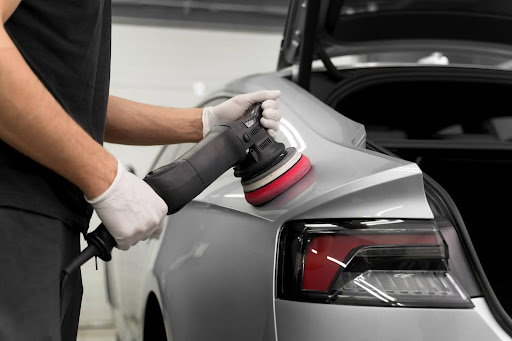
- Correct Swirls and Scratches: Use machine-polishing or hand-polishing methods to restore your paint’s clarity and shine. But be gentle when you use these methods. Use the right pads and compounds; don’t polish more often than necessary to avoid thinning the clear coat.
- Protect with Ceramic Coatings: After polishing, apply a protective layer. With ceramic coatings, you get long-lasting defense and gloss compared to traditional waxes. But you also require a professional application to achieve the best results. Don’t forget the use of PPF when it comes to safeguarding your car’s amazing looks.
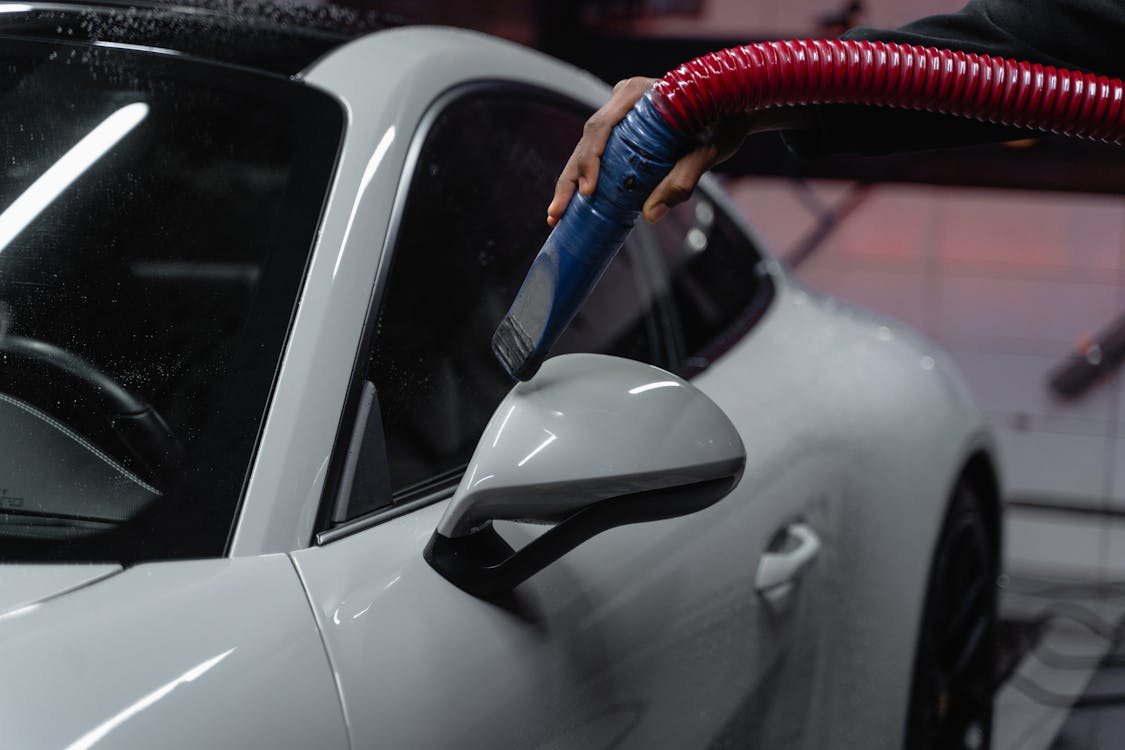
- Detail Your Interior Thoroughly: Vacuum your car’s carpets and seats. Also, clean the upholstery with appropriate cleaners, and condition leather to prevent drying/cracking. If you use compressed air or small brushes, you can easily reach tight spots.
- Avoid Harsh Chemicals: Use pH-balanced, vehicle-safe products made for automotive surfaces. Harsh agents fade paint or damage interior materials.
- Dry Carefully Without Rubbing: Use a soft microfiber drying towel or blower to dry the car in the end. Avoid rubbing hard as it can introduce scratches.
Get Paint Protection Film Detailing from Protector Automotive
Protector Automotive offers expert paint protection films, ceramic coatings, and other detailing solutions for your vehicle’s needs and environment. Keep your car protected and shining with expert-level care. Explore Protector Automotive’s paint protection films and detailing solutions designed for long-lasting results. Read our case studies to see the real impact of professional detailing.