Don’t Wait! Can You Tint Windows in the Cold for Benefits?
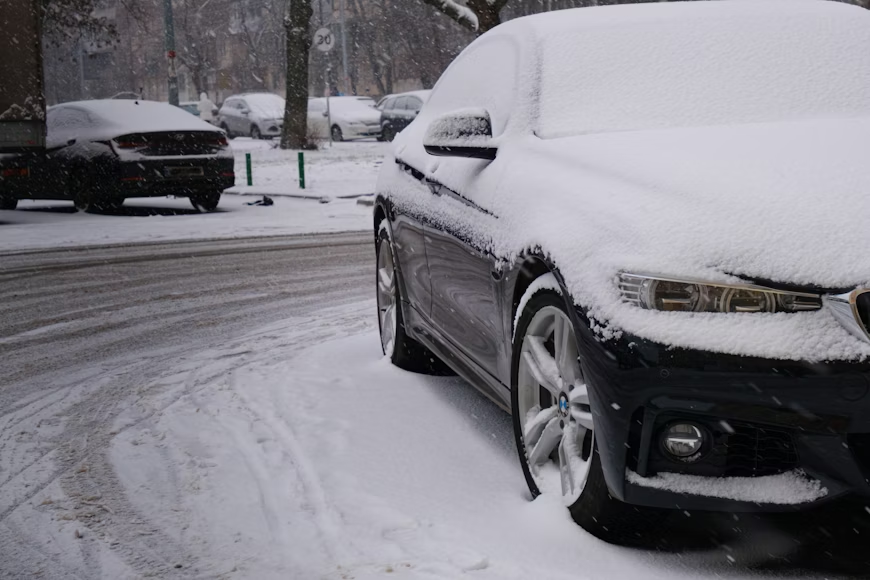
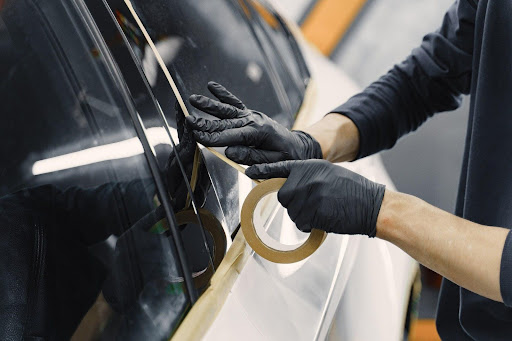
Yes, tinting windows in winter is entirely possible. You just need to hire professionals for this installation. Low temperatures can make this process a bit challenging by introducing obstacles like slow adhesive curing and moisture risks. But professionals deal with these problems with an indoor heated bay and specialized application techniques. So, can you tint windows in the cold? Yes, you’ll get reduced glare, better insulation, and exceptional UV protection.
Cold Weather Window Tinting Problems
If you are asking for winter car tint benefits, we should first explain why many car owners may think that winter tinting isn’t a very good idea. Like you, they are worried about:
- Adhesive Performance: The adhesive layer on tint films mostly relies on warmth for its activation. That’s how it bonds to the glass. But cold weather lets adhesives cure slowly. They may lack that initial tack. You may also see more bubbling or lifting.
- Film Flexibility: Your car's materials stiffen in cold conditions. They can make a film less pliable and more prone to creasing during installation.
- Moisture Evaporation: Cold air holds less moisture. So, condensation on cold glass surfaces, however, traps water b/w glass and film. This leads to bubbles. You may also notice cloudy spots there.
- Curing Time: The bonding-and-drying process takes longer in cold conditions. It might delay fully bonded results by several days.
How Professionals Overcome Temperature Challenges
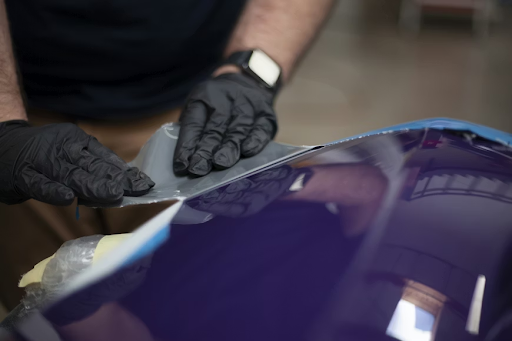
But professionals know the benefits of tinted window films very well. They can maintain quality installations throughout the year by using these tactics:
- They use indoor heated workspaces with temperatures between 68°F and 80°F (20°C to 27°C)
- They employ heat guns and infrared (IR) lamps to soften the film for faster curing
- They manage moisture in the environment to prevent condensation-related defects
- They pay attention to the drying and cleaning to reduce contamination risks
- They adjust their techniques to mitigate cold-weather risks to give you flawless finishes
Unexpected Winter Car Tint Benefits
You might ask about getting tinted windows in the cold. What are its benefits? Why should one even attempt this? Here are a few glaring reasons why this approach would be helpful:
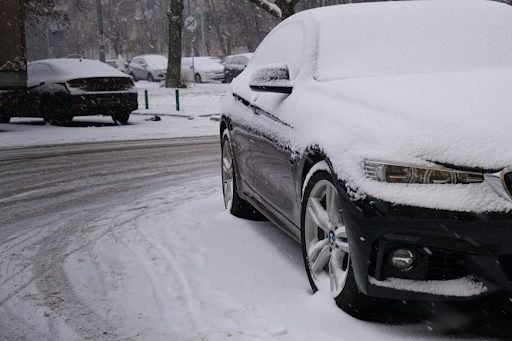
- No More Glare: You normally use a car safety window film to drive safely on roads. Low winter sun reflects off snow and ice. It causes intense glare. But tinting blocks this glare.
- More Insulation: Window films give you an extra layer of insulation that lowers heat loss through glass. So, the interiors of your car remain warmer with less heater use.
- Better UV Protection: UV rays don’t magically go away when the Earth draws closer to the Sun. They cause interior fading in December, too. But tints block these rays.
- Quicker Scheduling: Tinting demands are lower in colder months. So, you’ll schedule an appointment fairly quickly.
- Summer Preparation: Early winter tinting makes sure that your car is protected before spring and summer heat intensifies.
Comparing Winter and Summer Curing Time
Curing Time in Summer
When it’s summer, which is between 70°F to 90°F (21°C to 32°C), the adhesive on the tint film cures faster. It takes only a few days. The natural heat helps evaporate any moisture trapped between the film and the glass. Adhesives bond with the window firmly & uniformly. Also, warm temperatures keep the tint material quite flexible and pliable for precise shaping. You won’t see problems like bubbling or creasing arising in these situations.
Curing Time in Winter
The window tint curing time in cold months is slower. When it’s below 50°F (10°C) outside, a week will pass before the curing period ends. The lack of heat hampers moisture evaporation, so condensed water remains trapped beneath the film for a longer period. The tint material also becomes less flexible. So, installers have to be extra careful about creases and cracks.
Why You Need Post-Installation Care
Once you understand the car tinting temperature requirements, you need to realize how to maintain the longevity of your tinted windows. You should always:
- Avoid rolling your windows down. Roll them only after 5 to 7 days (at least). That’s how you let PPF adhesives settle there properly. Early window movement can cause the PPF to form bubbles.
- Postpone washing or exposure to harsh weather. The film surface will be fragile for one week (at least). So, park your car indoors and don’t wash it yet. Shield your vehicle from elements to reduce moisture infiltration.
- Use only ammonia-free, gentle cleaners during the curing period. That’s how you make sure there is no adhesive degradation or film damage.
- Monitor tint condition closely for signs of bubbling, peeling, or hazing (also, seek early professional rectification if needed).
Why DIY Tinting in the Cold is Risky
DIY cold weather window tinting has inherent risks. Cold temperatures can slow down the curing time for your tinted windows. They make it hard for the film to securely bond to the glass surface. If you don’t wait for the curing process to complete, you can see tints forming all sorts of bubbles. The film may peel off or lift prematurely. So, don’t rush the process in December!
Tint films become less flexible in cold conditions. They increase the chances of cracks, creases, or tears (chiefly when handled without professional thermoregulation tools). This lower pliability makes it challenging for you to achieve a smooth, wrinkle-free application. If you have curved or contoured windows, film stiffness is a major concern for you. So, DIY tinting is better avoided.
DIY installs come with no warranties (obviously) or professional aftercare. Should defects occur due to cold-weather challenges, you shall bear the full cost of reinstallation. Moreover, a mistake caused by temperature-related challenges may require complete removal and reapplication. You would’ve wasted your PPF in that scenario. So, it’s better to hire professionals from the get-go.

Get Professionals for Winter Car Tint Installation
Tinting car windows in cold weather is feasible and beneficial when handled by professionals in controlled environments. Beyond mere protection, winter tinting enhances visibility, comfort, and energy efficiency, making it a practical investment regardless of season. If you are ready for the best professional tint installation winter solutions, get in touch with us today.