What Is the Cost of Installing Tinted Film on Car Windows?
Are you wondering about the window tint installation price? Professional window tinting can set you back $150 to $800. The price varies based on film quality, vehicle size, the type of car you drive, and other services. We’ll discuss car tinting cost factors in this blog. You’ll find out how to choose the right option for your four-wheeler.
Key Factors Influencing Car Window Tinting Cost
Automotive tint film options are not always expensive. When you budget for professional tint installation, you need to consider several factors that collectively shape the final cost. We’ll give you a brief tinted window price guide to help you come to a decision.
Film Type and Quality
The type and quality of your tint film matter the most! You can still find cost-effective options that work the best, such as a Protector Smoke film. Generally, film types cost you:
- Dyed Films: This option is very affordable, costing you $100 to $350. Dyed films provide basic UV protection. They reduce glare as well, but often fade or bubble over time.
- Metallic Films: Metallic ones cost $150 to $500. They offer better heat rejection. Sadly, they cause electronic interference. Also, these films are thicker than usual.
- Carbon Films: If you get carbon tints, they may cost you up to $650. But these options resist fading and improve heat blocking. They don’t interfere with phone signals.
- Ceramic Films: Premium ceramic (& nano-ceramic films) may cost you around $1000. These films offer superior heat & UV rejection. They also maintain signal clarity while providing longer durability with optimal clarity.
Shade Darkness and Coverage
The tint’s shade level also affects its pricing. Darker shades usually require more material and precise application to ensure uniformity. Specialty tints like limousine, gradient, or colored films also tend to cost more due to material complexity and custom cutting.
Coverage area is another factor. Tinting all windows is (obviously) costlier than just the front or rear side windows. Full windshield tinting (if legal in your country) or sunroof films can make the final cost even higher.
Vehicle Size & Window Shape
Larger vehicles have more windows (and larger ones, too). Your SUVs and pickups will require more tint application. So, you’ll have to spend more money here. If your car has curved, fixed, or irregular windows, you’ll have to pay the installer for intricate fitting and trimming. Also, specialty vehicles with unique shapes or extra glass panels generally lead to higher prices.
Other Protective Features
- Better UV Blocking: Not all films block 100% of UV rays, but the ones that do (almost 100%) offer increased protection for car interiors (and also your skin). So, they cost you more.
- Infrared Reflection: Premium films that reject IR heat let you reduce cabin temperature. These tints are popular in Saudi Arabia and other hot countries. But they are expensive!
- Anti-Glare Coatings: If you want your tints to be anti-glare and scratch-resistant, they will cost more.
Standard vs Premium Tint Films
You need to compare different Protector tinted tilm series to get an idea. Standard tinting films rely on dyed or metallic layers that reduce glare & heat. However, they may fade or bubble over time. Premium films (ceramic-based) give you better heat rejection, durability, fade resistance, and clarity without interfering with electronic signals. You should also consider your vehicle type in this scenario.
Compact Cars
Sedans
SUVs & Crossovers
Luxury and Exotic Vehicles
Installation costs tend to be on the lower side due to fewer and simpler window surfaces
Mid-range costs reflecting average window size and easier access
More expensive due to larger and more complex windows
Costs may be higher because of intricate window shapes and the need for expert handling
Legal Considerations in Window Tinting
Window tint darkness & reflectivity laws can vary from region to region. Your country may have a separate authority that regulates the permissible Visible Light Transmission (VLT) levels from a car’s windshields, front side windows, and rear windows. Tint levels outside these limits lead to fines or forced removal. That’s why you need to go to professional installers who always stay updated on local regulations and can guarantee tint applications meet all legal standards.
Professional Window Tinting vs Low-Cost Alternatives
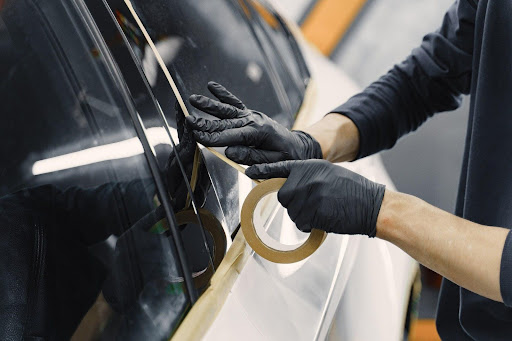
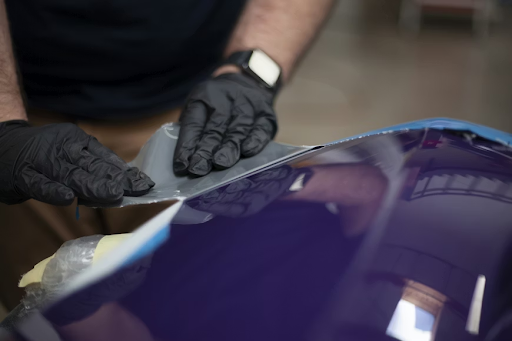
When professionals install tinted films on car windows, they clean the surface of your vehicle and prepare it for proper PPF adhesion. Their expertise helps them minimize bubbles, creases, and dust entrapment. They also ensure a smooth, flawless coverage of the film. That’s why you need certified installers working with precision tools in controlled environments. Local reputable shops offer warranties, adding value and peace of mind. But low-cost alternatives:
- DIY kits or budget installers often lack experience or proper conditions, leading to poor adhesion, bubbling, peeling, and uneven finishes
- Thin or cheaper films installed degrade faster, requiring premature replacement
How to Choose a Premium Car Tint Film
Keep these practical tips in mind when you’re choosing a tint film:
- Hot and sunny regions benefit more from high-UV and infrared reflection films (consider ceramic tints) for better cooling and protection
- Larger vehicles (like your SUVs or crossovers) have more glass, so they require higher budgets and careful film selection
- Matte, glossy, or specialty tints may alter the appearance of your automobile (they have particular maintenance needs as well)
- Some films need special cleaning products, while others can be maintained easily
- You ned to make sure that your tint film meets regional laws to avoid fines
- Professional advice tailors selections based on your personalized driving patterns, climate, and aesthetics
- Films that come with warranties and installers offering post-install care usually give you long-term satisfaction
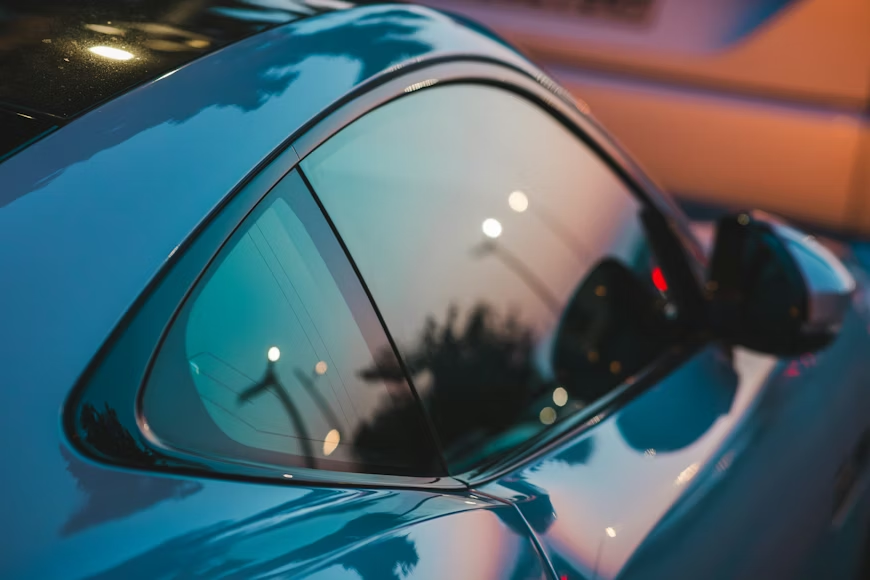
Find the Best Tinted Films for Your Car Windows
The premium car tint film cost varies widely based on film technology, vehicle specifics, legal regulations, and installer quality. Explore Protector Automotive’s case studies to see real-world examples of expert tinting and professional results. Contact us right now for personalized advice tailored to your needs. Hopefully, this window tint comparison has helped you understand the correct option for your vehicle. If you have any confusion, feel free to get in touch!