Does PPF Protect Against Road Salt?

Yes, PPF can protect your car against road salt. Many northern states (and Canadian provinces) treat roads with salt in winter to prevent ice; adding salt makes highways less slippery, lowering the risk of accidents. But this salt threatens your car’s paint and metal. PPF becomes a strong yet invisible shield that protects your vehicle from corrosive road salt and winter chemicals.
You need PPF winter protection to ensure that your four-wheeler looks pristine even in harsh conditions. This blog will help you understand the extent of road salt car damage. Let’s start!
How Road Salts are Used in Winter
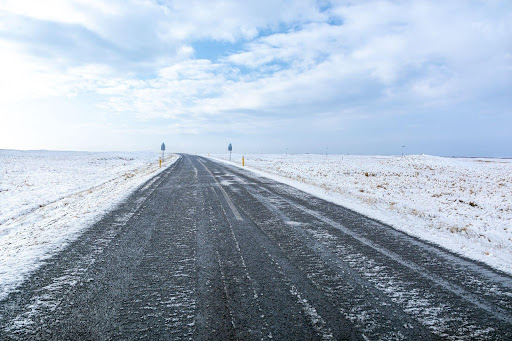
Road salt has sodium chloride in it. It’s a de-icing agent applied to winter roads. The purpose? Road salt improves vehicle traction. It makes sure that drivers can go their merry way safely. It works by lowering the freezing point of water. So, ice and snow begin to melt even at sub-zero temperatures. It is applied in two major ways:
- Reactive Applications: Dry salt or pre-wetted salt is spread on roads. It then breaks up existing ice and snow. Your roads become safer.
- Proactive Applications: Salt brine (salt dissolved in H2O) is sprayed on dry pavements before ice formation. So, ice and the road surface can’t bond together.
Winter drivers face different threats when they’re on the road, such as glare from sunlight. They require methods like road salt to ensure their safety. This salt works best between 5°F (-15°C) and 40°F (4°C). That’s because it relies on the presence of moisture for snow melting. When it’s applied on roads in extremely low temperatures, alternative salts like calcium chloride are used for better performance.
Why Road Salt Causes Major Damage to Car Paint
- Salt speeds up oxidation, which causes rust (when it’s mixed with water, it creates a brine that penetrates paint gaps and damages your car’s metal)
- Salt breaks down your car’s clear coat, making the underlying paint vulnerable to fading, peeling, chipping, etc.
- Continuous exposure to salt causes micro-abrasions and roughness, diminishing your car’s shine.
- These de-icing chemicals leave deposits that etch into paint surfaces and even dull their protective qualities
How PPF Becomes a Barrier Against Road Salt
Does PPF protect against road salt? We now know that YES it does! You should get Protector Gloss to make sure that your car’s paintwork has all the protection it needs. This PPF has many amazing qualities that make it a perfect barrier. Paint protection film benefits stem from these qualities:
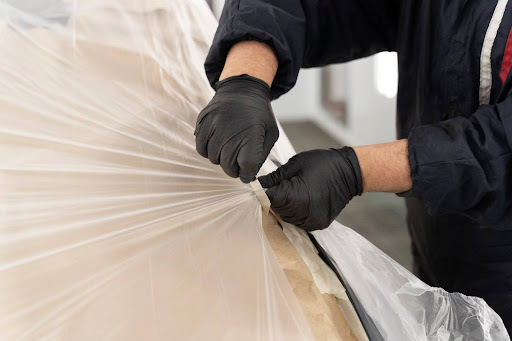
- PPF’s thick urethane film forms an impermeable shield that prevents salt & moisture from contacting your vehicle’s paintwork
- Minor scratches from salt crystals and abrasive particles disappear with heat exposure (maintaining a smooth finish)
- PPF resists corrosive agents like salt and de-icers without degrading
- Water and salt bead off the surface of your car, reducing buildup
Key PPF Winter Protection Benefits
- Road Salt Accumulation: The government spreads salt on roads to melt ice. But PPF makes sure that the salt’s corrosive qualities don’t mess up with underlying paintwork. It prevents salt crystals from embedding in your car’s finish. That’s how your PPF reduces the risk of oxidation and rust.
- Slush and Snow Mixed with Grit: Winter roads become coated with slush combined with dirt, sand, and minerals. These abrasive substances scratch and dull the painted surface of your vehicle. PPF absorbs the impacts from this gritty mixture. It protects your paint from micro-scratches and scrapes.
- Gravel Impacts: Winter road maintenance involves gravel and stones that get kicked up by passing vehicles. These things can chip or crack your paintwork, especially on hoods & bumpers. PPF offers a durable sacrificial layer that takes these hits without damaging the underlying paintwork.
- Micro-Abrasion from Debris: Even careful drivers experience minor abrasions caused by frequent washing, ice scrapers, snow brushes, and trapped debris. PPF’s self-healing topcoat allows minor scratches to vanish with heat exposure, maintaining a clear finish that looks newer and lasts longer.
Best Car Panels for Winter Protection
Certain panels do face the brunt of winter road conditions. Protecting these areas with PPF will give you maximum defense where damage commonly takes place. These areas include:
- Rocket panels (they’re constantly exposed to salt kicked up by tires)
- Wheel arches (prone to rust because of salt and moisture buildup)
- Lower doors (often splashed with salted slush)
- Bumpers (frequent target of stone chips and salt spray)
- Rear quarter panels (exposed to road spray that has salted residue)
- Bonnet leading edge (vulnerable to high-impact salt crystals & debris)
Maintenance Tips for PPF During Snow Season
If you want to maximize the corrosion protection capabilities of your vehicle’s PPF, you should focus on good maintenance. Good maintenance prolongs film life & keeps your vehicle looking flawless for good! Check out these tips:
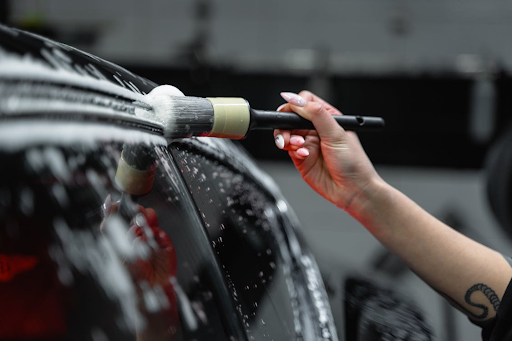
- Wash your vehicle regularly to remove salt residues
- Use pH-neutral, PPF-safe cleaning products
- Rinse thoroughly, especially wheel arches and lower panels
- Avoid abrasive brushes or harsh chemicals that can damage the film
- Keep edges clean and check periodically for lifting or peeling
Dispelling Common Myths About Winter & PPF
Myth: PPF doesn’t withstand cold weather or salt.
Modern PPF remains flexible and adhesive even in freezing temperatures. It doesn’t crack or peel.
Myth: PPF needs no maintenance.
PPF does require regular care (like any protective layer) to prevent damage. That’s how it will keep offering optimal protection to your car.
Myth: PPF can protect rusted or compromised paint.
That’s an exaggeration; PPF protects healthy paint, but does not stop existing rust beneath your car’s damaged paintwork.

Keep Your Paint Salt-Resistant with Protector Automotive
Explore more insightful blog articles on the Protector Automotive website to deepen your understanding of vehicle protection solutions. Browse our diverse PPF product categories tailored to various car models and protection needs. Check out our case studies to see real-life examples of how PPF can protect car paint in winter for both old & new models.
Protect your investment today with Protector Automotive’s chemical resistant PPF.