Does Window Tint Increase Your Car’s Resale Value?
What if one small upgrade could keep your seats from fading, cool the cabin, and help you get a stronger offer?
Does window tint increase car resale value? Yes, when the film is high quality, legal, and installed by a pro. Buyers see a cared-for car. They feel the cooler cabin on a test drive. They notice clean glass and a fresh interior. That sets your car apart.
But here’s the twist. The wrong tint can hurt value. Cheap film fades. Bad installs bubble. Illegal shades scare buyers. One choice helps you sell faster. The other creates doubts.
Want the smart path? In the guide below, you’ll see what truly adds value, what to avoid, and how to use tint the right way. If you want real results when you sell, keep reading.
Why Window Tint Matters: Real Window Tint Benefits for Resale
Sun is rough on a car. UV light fades seats, dries leather, and weakens fabrics. Quality automotive window film blocks more than 99% of UVA and UVB. That slows wear inside the cabin and helps the dash, trim, and upholstery keep their color and feel.
Heat is another issue. Film reduces solar energy entering the car, so surfaces stay cooler. In turn, the AC works less. Even industry groups note that film can lower heat gain and may reduce AC use in sunny conditions. Comfort goes up. So does buyer appeal during a test drive.
Glare also drops with the right film, which makes daytime and low-sun driving more comfortable. Reducing glare helps visibility, an area long recognized in safety research.
Does Window Tint Increase Car Resale Value? The Proven Answer
Resale value is about condition and confidence. Clean interiors, strong plastics, and tidy leather signal care. When film blocks UV, the interior ages slower. That means fewer cracks, less fading, and a cabin that looks “newer” at sale time. Buyers notice and reward that.
Comfort plays a role too. A cooler cabin and lower glare make a used car feel more refined. That can shorten time on market and firm up offers. While price guides may not add a “tint line item,” protected condition and better drive feel help you stand out from similar cars without film. That’s the value story most shoppers respond to.
Privacy is a bonus. Within legal limits, film makes it harder to see valuables. Many shoppers like that. It adds to the premium feel and perceived care.
What Adds Value and What Hurts It (Practical Car Resale Value Tips)
1) Film type and performance
Look for automotive window film with high UV filtering and solid heat rejection, then explore Protector window films to compare nano-ceramic, metallised, dyed, and safety options that keep cabins cooler and interiors looking newer. Many quality films block >99% UV and are engineered for optical clarity, so the glass stays easy to see through. That is good for safety and for that “kept” look over time.
2) Professional car window tinting vs. DIY
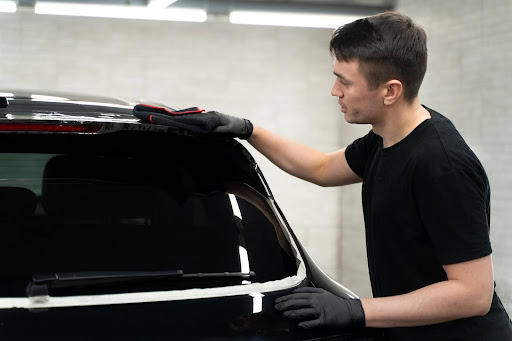
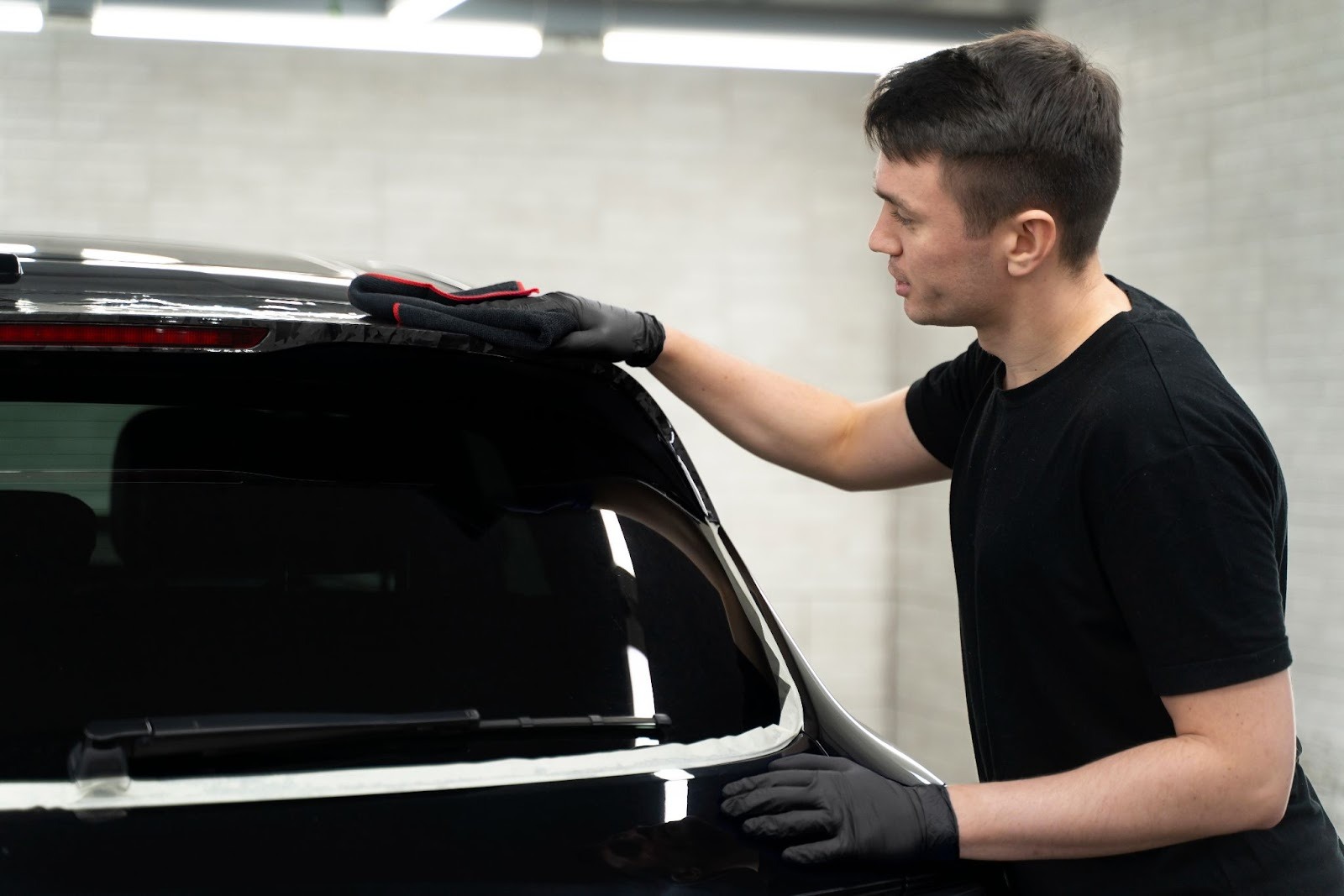
Install quality shows. Bubbles, dust, lifting edges, or off-cuts will turn buyers away. A trained installer measures glass, prepares edges, and fits film so it sits clean under close inspection. Industry standards and training exist for this reason.
For shop owners or detailers, understanding how offering tinted films can increase profitability helps you position quality tinting as both a customer benefit and a smart business move.
3) Legal compliance
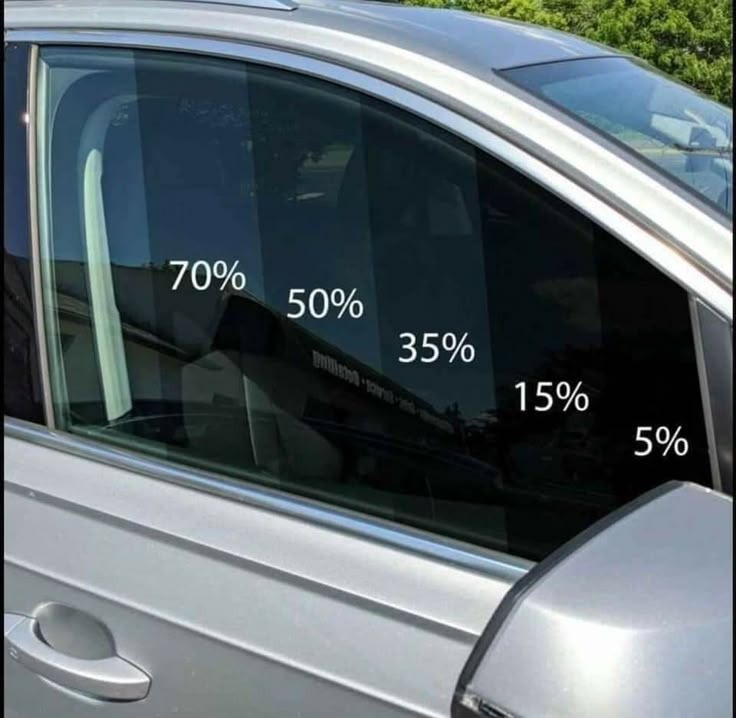
Laws vary by region and depend on Visible Light Transmission (VLT). Higher VLT = lighter tint. Front windows usually must be lighter than rears so the driver remains visible. Buyers know this, and inspectors check it. Keep it legal to avoid removal costs at sale time.
4) Long-term clarity and color
Quality film keeps its shade and stays clear. Cheap dyed films can discolor or haze. That screams “cost cutting.” Pick film with tested UV blocking and color stability so it still looks right years later.
5) Heat and glare comfort
Less heat and glare mean easier drives. That sets a positive tone for test drives and daily use. It also supports AC components by easing demand in hot months. Industry bodies note these comfort gains and potential AC relief.
Myths About Automotive Window Film That Cost Sellers Money
- Tint lowers value
Not when it is legal, clear to see through, and installed by a pro. In those cases, it protects the interior and improves comfort, two things buyers praise.
- Buyers prefer untinted glass
Many buyers prefer a cooler, calmer cabin and a well-kept interior. Tint that follows the rules and preserves the cabin often helps resale, not hurts it.
- All tint is the same
No. Performance, optical clarity, and durability vary widely. Choose film that blocks UV effectively and maintains color and visibility.
Car Resale Value Tips: How to Use Window Tint the Smart Way
- Choose professional car window tinting with documented specs and legal VLT for your area.
- Keep glass clean, inside and out. Smudges and haze kill first impressions.
- Pair tint with good cabin care. Condition leather. Vacuum often. Protect plastics.
- Keep records. Show the film brand/spec sheet and the invoice. Proof builds trust.
- If your current film is faded or purple, replace it before listing. It pays back.
Paint Protection Film (PPF): Protect the Paint, Protect Your Price
Paint protection film (PPF) shields high-impact areas from stone chips and light scratches. Think bumper, hood edge, mirrors, and door cups. Keeping paint free of chips and scuffs preserves first impressions and can protect against expensive paint work before sale. Reputable motoring organizations describe PPF’s strength against chips and abrasion, useful on cars that see highway miles.
PPF and tint work together. Film guards the cabin from UV and heat. PPF guards the paint from chips and marks. The car stays sharper, inside and out. That’s a strong resale story.
Final Word: Does Window Tint Increase Car Resale Value?
Ready to turn a small upgrade into real money at sale time?
Yes. Does window tint increase car resale value in every case? Not if it’s illegal, low grade, or poorly installed. But the right setup does. Choose quality film that blocks UV. Keep VLT within the law. Get a clean, professional install. Pair it with paint protection film (PPF) on high-impact panels. Save your receipts. Present a cool, clean car. Buyers feel the care and pay with confidence.
Want a simple next step? Let Protector set up your car the right way, professional car window tinting plus PPF, done to spec. See how we work and book a quick consult here at Protector. Protect now. Sell stronger. Move on faster.