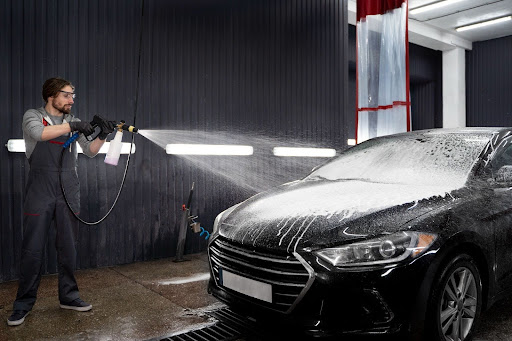
Eco-Friendly Car Detailing: How to Clean Your Car Without Harming the Environment
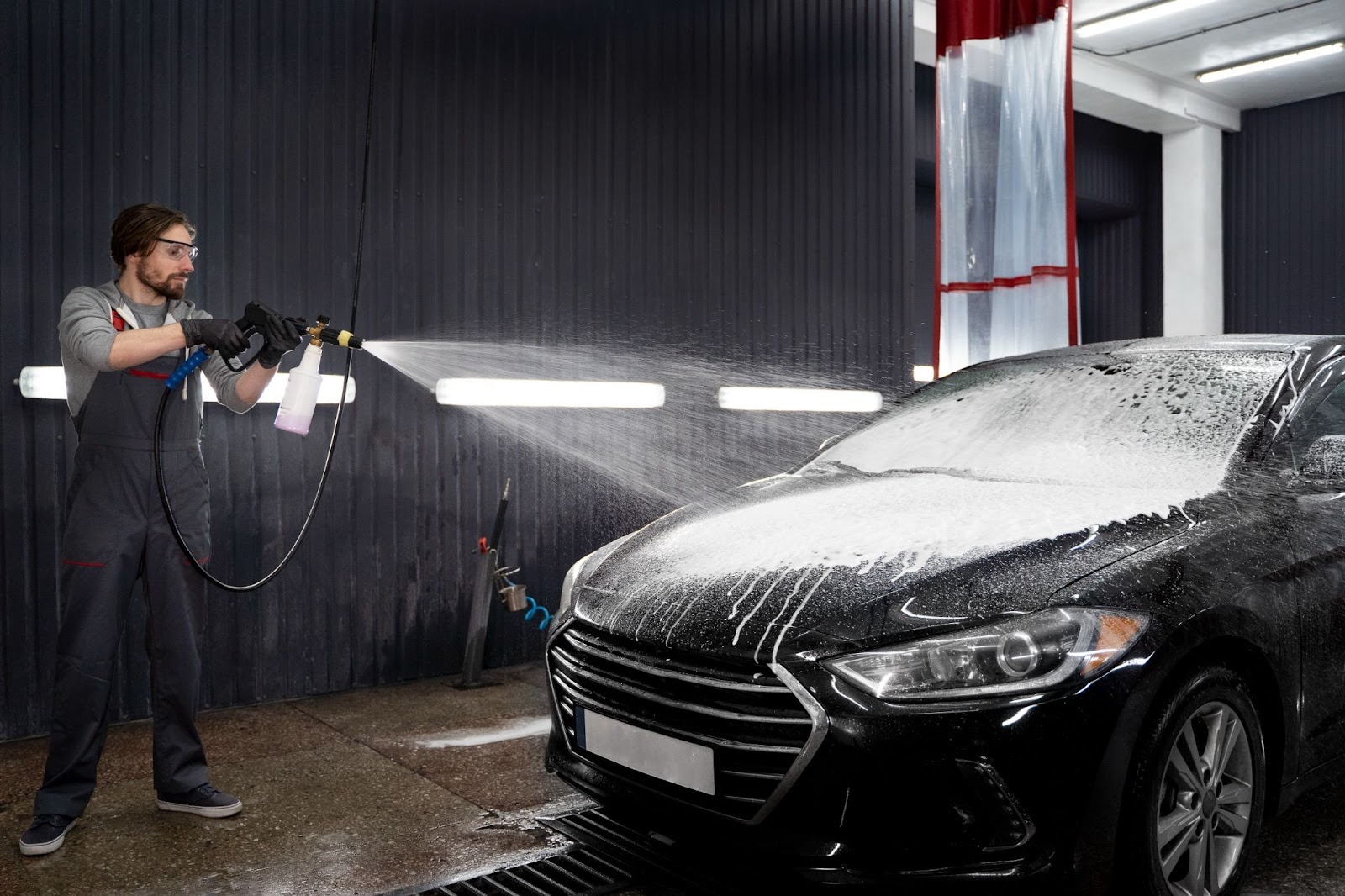
How clean is your car if the rinse runs straight to the street? That shine can hide a problem. Soap, grime, and tiny bits of rubber do not vanish. They move. They can reach drains and streams. You want a clean car, not a guilty one. So here’s the question that matters: how do you clean your car responsibly?
There is a better path. Eco-friendly car detailing cuts water use, limits harsh chemicals, and keeps waste low. It protects your paint and the places you drive. In the guide below, you’ll get simple steps you can use today. Smart wash methods. Safer products. Reusable tools. Plus how PPF and window tint help you clean less, not more.
Learn more about the benefits of paint protection films and how they can cut down on washing, reduce chemical use, and extend your car’s clean look the sustainable way.
If you care about your car and the planet, stay with me. The answers are straight ahead.
What Is Eco-Friendly Car Detailing?
Eco detailing is sustainable car cleaning built on three rules.
- Use less water.
- Use safer chemistry.
- Cut waste at every step.
It’s different from old wash habits. The goal isn’t a foamy driveway and a quick shine. The goal is a clean finish with environmentally safe car care choices. That means pH-balanced, biodegradable soaps. Reusable towels. Controlled water flow. And keeping dirty water out of drains and streams. Government guidance backs this: choose biodegradable, phosphate-free soaps and keep wash water on permeable ground or in a proper wash bay.
Eco detailing also means smarter maintenance. Protect the paint so you wash less often. Avoid products that leave residues that harm waterways. Use tools that last. Each small choice adds up. Your car stays nice. The planet breathes easier.
The Environmental Impact of Traditional Car Cleaning
A hose on full blast wastes water fast and sends dirty runoff into storm drains. That runoff can carry detergents, oils, brake dust, and metals into rivers and bays. It’s a known pollution risk.
Water use is another issue. Commercial conveyor washes now average about 30–34 gallons (114–129 liters) of fresh water per vehicle when they use reclamation systems. Older or manual methods often use far more.
Many “at-home” washes use hundreds of liters and discharge everything to the street. Regulators advise using a proper wash bay, capturing effluent, or using permeable surfaces so soil can filter water.
Paintwork has an impact too. Repainting releases VOC emissions. That’s why refinish coatings face strict VOC limits, because those emissions add to smog. Every avoided repaint helps.
Eco-Friendly Detailing Techniques and Products
1) Try a waterless car wash (or low-water rinse)
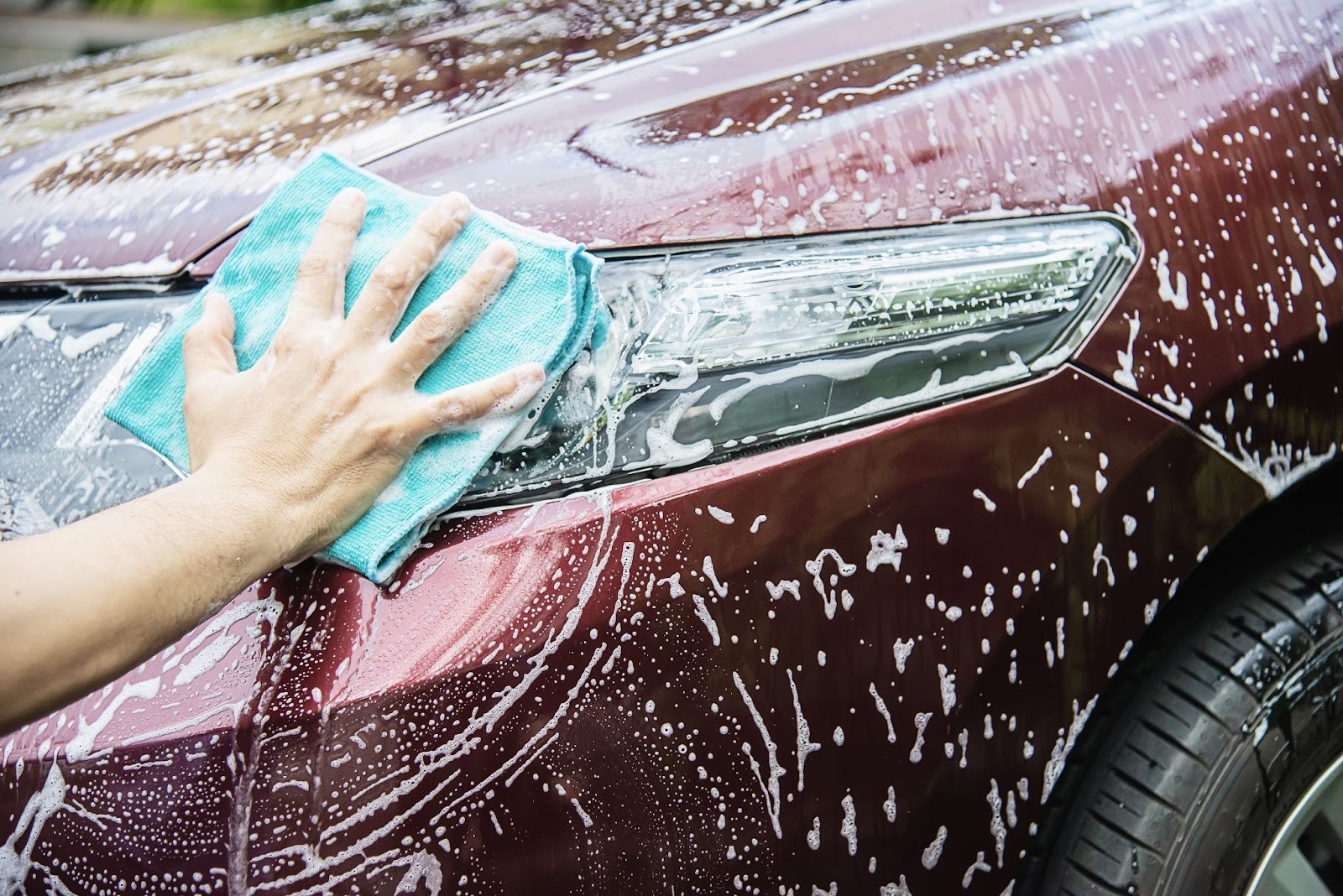
Modern waterless formulas lift dust and road film so you can wipe safely. Use plenty of clean microfiber and work panel by panel. For dirtier cars, pre-rinse at a commercial wash, then switch to a low-water method at home. This cuts water use and keeps runoff out of drains. Authorities recommend minimizing runoff and using controlled spray nozzles.
2) Use biodegradable soaps and measured dilution
Pick biodegradable, phosphate-free shampoos. Mix only what you need. A foam sprayer or pump sprayer helps you target the panel, not the pavement. EPA guidance is clear: limit detergent, and keep wash water off the street.
3) Upgrade your towels and care for them right
Microfiber towels clean well with less product and water. They also last a long time, which reduces waste. Wash them in cold or warm water, use mild detergent, and skip fabric softeners. To reduce microfiber shedding into waterways, use a laundry filter bag or an inline filter. Microfibers are a known share of ocean microplastics, so capture as many as you can.
4) Adopt paint-safe wash habits
- Use the two-bucket method with grit guards.
- Pre-rinse to remove grit.
- Work top-to-bottom.
- Swap to fresh towels as they load up.
These habits prevent scratches, so you don’t need harsh polishing later.
5) Pick energy-smart tools and drying
A dual-action polisher with foam pads is efficient. Keep passes slow and controlled. For drying, use large waffle-weave towels and a small electric blower if you have one. Skip high-heat dryers. Less energy. Less risk.
6) Keep wastewater out of storm drains
If you wash at home, do it on grass or gravel so the soil filters the water. If you run a mobile service, use a portable wash mat and capture wastewater. Local and national guidelines point to wash bays with oil separators and, ideally, water recycling.
Quick win: Wash at a professional site that reclaims water. Many modern tunnels reclaim and reuse water and send the rest to sewer treatment.
The Role of Paint Protection and Window Tint in Sustainable Care
Paint protection film (PPF)
PPF is a clear urethane layer that absorbs chips and light scratches. It keeps paint intact, so you wash more gently and avoid repainting for minor damage. Fewer repaints mean fewer VOC emissions and less waste from sanding and masking. That’s better for air quality and your time.
Window tint (automotive films)
Quality films block up to 99% of UV. That protects interiors and your skin, and it helps keep the cabin cooler. Cooler cabins need less A/C, which can reduce energy or fuel use. Studies on buildings show meaningful A/C savings from window films; the same heat-rejection logic applies in vehicles.
How this ties together
PPF reduces aggressive scrubbing and repainting. Window films reduce cabin heat and UV damage. Both lower product use over time. Both support environmentally safe car care.
With Protector, you get protection that fits your goals and your car. Our window films shield interiors from UV and heat. Our PPF guards paint from stone chips and scratches. You get long-lasting protection, fewer harsh fixes, and easier upkeep.
Ready to protect your paint? Explore our eco-friendly paint protection solutions.
Conclusion
Eco-friendly car detailing is simple when you follow the right moves. Use less water. Choose biodegradable soap. Keep runoff out of drains. Protect the finish so you wash less and waste less. PPF shields paint from chips. Quality window films block UV and heat. Your car stays cleaner, longer, and the planet wins, too.
Ready to turn good intent into daily action? Start with one change at your next wash, then build from there. For step-by-step tips and proven protection, visit Protector and explore our PPF and window film ranges. Make your next wash your cleanest, and kindest, yet.