Does PPF Protect Against Rock Chips? Your Expert Guide
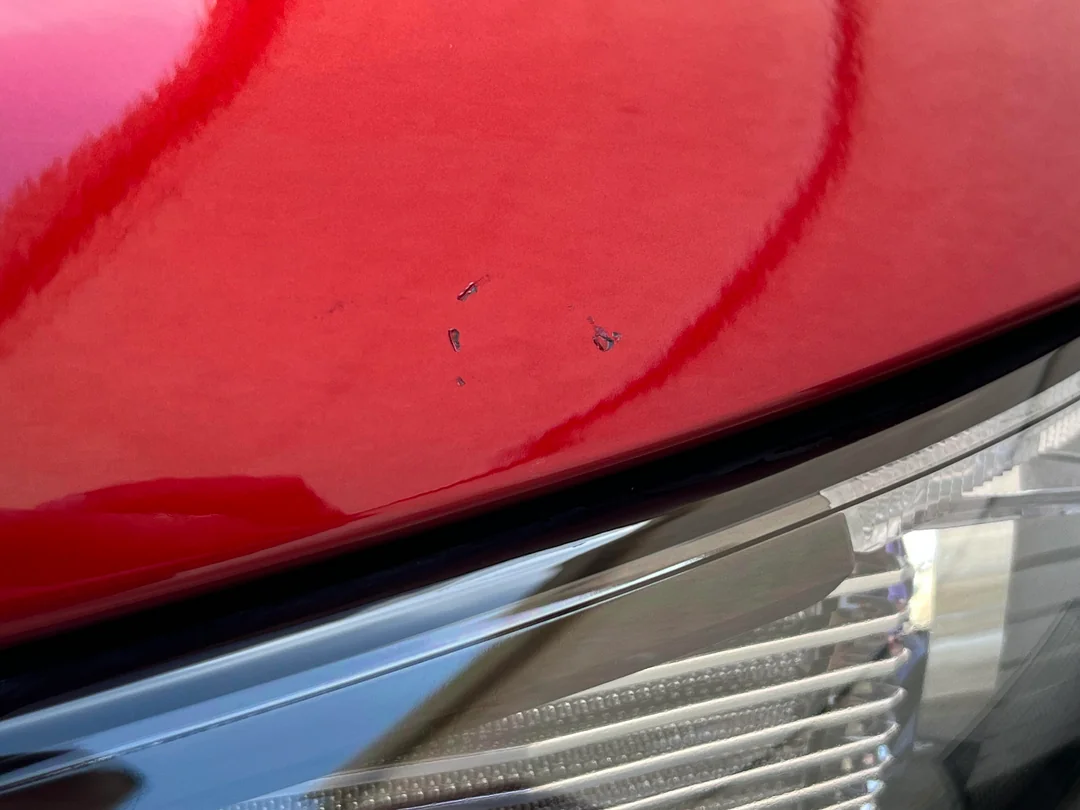
Does PPF protect against rock chips? Yes, if you install high-quality PPF, it will protect your vehicle's paint from rock chips, road debris, and small impacts. This PPF rock chip protection helps retain your automobile's paintwork’s integrity. However, extreme impacts from large debris at high speeds can still cause damage. So, paint protection film impact resistance shouldn’t be treated as something immaculate! Let’s discuss this in depth in this blog.
PPF Benefits: How It Absorbs and Disperses Impact
If you are doubtful about paint protection film impact resistance, let us explain the science behind it. PPF protects vehicle paint from physical damage by absorbing and dispersing the energy different impacts generate. These impacts can be flying stones or debris on the road. This protection also relies heavily on the unique composition & structure of the film.
Flexible TPU Film
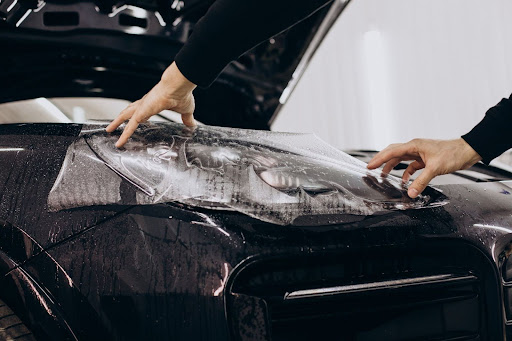
A thermoplastic polyurethane (TPU) base layer lies at the heart of PPF. This polymer is elastic and durable. When a rock strikes the painted surface of your car, the TPU film starts stretching to accommodate the impact. It’s like a shock absorber in the car’s suspension system. With this flexibility, the TPU decreases the direct force transmitted to the automotive coat and paint layer of your automobile.
Micro-Elastomers in the Topcoat
If you want to protect your car’s bodywork during your holiday escapades, PPF is the best. The TPU’s impact absorption isn’t the only thing making it great! Micro-elastomers are embedded in the topcoat of PPF. These microscopic elastic molecules act like tiny springs or shock dampers. They dissipate every impact’s kinetic energy. These elastomers make your PPF resilient against repeated strikes, preventing the cumulative damage from multiple small impacts.
Impact Dispersion Over a Broader Area
PPF spreads the energy of an impact over a wider region rather than letting it focus on a single spot. When a stone hits the film, PPF prevents a sharp, localized strike directly reaching your car’s paint. Instead, the film disperses the force along its surface area. This force distribution reduces the peak stress on any point beneath the film.
Resistance Against Gravel & Pebble Strikes
The synergy of TPU’s flexibility, micro-elastomer shock absorption, and impact dispersion can make PPF the best protective measure against most rock chips you may encounter on busy highways. This advanced layering shields your vehicle’s paint from daily abrasions and marks that, over time, would degrade the vehicle’s exterior and reduce its value.
Why Thickness and Material Quality Matter
If you are looking for protective measures that come with affordability, you should just choose Protector Automotive’s Sprint right away. But don’t forget that thickness & material quality are very important here. We’ll talk about these factors briefly here for your knowledge:
- Film Thickness: Most premium, high-quality PPFs range between 150 and 200 microns in thickness.
- Thicker films give you better cushioning and longer durability.
- Thinner films may tear or puncture more easily under impact.
- Material Quality: High-quality polyurethane with UV inhibitors & self-healing topcoats gives you superior protection, clarity, and longevity. But if you choose inferior films, they may yellow over time or degrade rapidly.
- Adhesion Technology: Films with advanced adhesives bond strongly with automotive paint, preventing lifting or peeling, which could expose the paint to harm.
What PPF Can and Can’t Prevent: Rock Chip Prevention Car
Car front-end protection via PPF is quite excellent. It protects you against rock chips and all sorts of everyday abrasions. But it does have its limitations. For instance, if your car is hit by a large or irregularly shaped debris that delivers high-impact forces, PPF won’t work against it. Similarly, collision damage, deep gouges, and vandalism are beyond the scope of PPF. It sure is self-healing, but it can’t repair deep cuts or punctures. This table below will explain it better:
What PPF Can Prevent
What PPF Cannot Prevent
Stones and gravel chips (you usually counter them on urban roads and busy highways)
Large rocks or debris falling from trucks (or sometimes construction stires) that cause high-impact damage
Small to moderately sized road debris that strikes at typical driving speeds
Extreme speed scenarios where kinetic energy overwhelms the film’s absorption capabilities
Abrasions from dust, insect impacts, and minor scrapes that often accompany daily driving
Accidents, collision damage, or deep scratches beyond surface-level marring
What the Self-Healing Technology Fixes (and What It Does Not Fix
PPF’s self-healing topcoat contains polymers that get warmth from sunlight or warm water. They flow back to smooth out minor scratches and swirl marks. That’s how they efficiently maintain an unblemished surface. But this technology has its limits! It doesn’t repair deep gouges or tears or punctures from sharp/forceful impacts. That sort of damage remains visible until you hire expert installers to remedy it.
Tips for Choosing the Right PPF Rock Chip Protection Option
If you want to choose the right PPF for rock chip protection, we recommend these solutions:
- Front-End Coverage: You need front-end coverage for hoods, fenders, bumpers, and side mirrors. That’s because these zones are most exposed to flying debris.
- Full-Body Protection: If you want to maximize overall protection for your new or luxury car, you should opt for full-body coverage.
- Partial Add-Ons: Additional panels on vulnerable spots like door edges or rocker panels can be customized based on driving conditions and budget.
Get Protective Film for Car Paint Today
The gist of this blog on rock chip prevention car is this: paint protection films give you a highly effective solution against rock chips and everyday road hazards. But you must pair high-quality materials with expert installation. It preserves your vehicle’s factory finish and ultimately protects your investment. Explore Protector Automotive’s blog and case studies to discover proven PPF software. Contact our professional team for personalized advice & premium protection options.