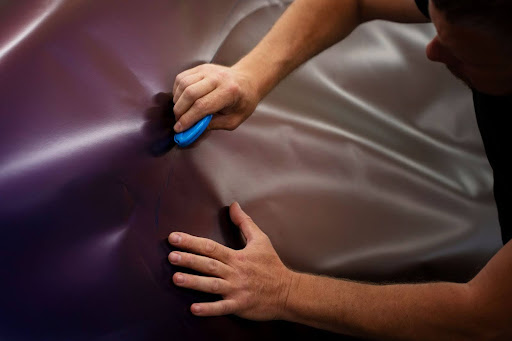
Top 5 Myths About Automotive Detailing—Debunked

Think your weekly wash is “good enough”? What if the tips you trust are dulling your clear coat? Misinformation spreads fast, forums, short videos, even well-meaning friends. Many claims sound right. Few hold up. And that gap can cost you shine, time, and money.
This guide cuts through the noise. We tackle the biggest automotive detailing myths with plain facts and clear steps. You’ll see what works, what doesn’t, and why. You’ll learn when to clean, when to correct, and when to protect, so your paint stays safe and your interior lasts.
Stay with me. In the next sections, we expose five traps most owners hit. We also show where paint protection film (PPF) and window tinting for cars make a real, daily difference. Ready to protect your finish, and stop wasting effort? Keep reading.
Myth #1: Detailing is just an expensive car wash
The myth
A detail is the same as a wash, only pricier.
The facts
A wash removes loose dirt. Professional car detailing corrects, protects, and preserves. It can clean deep, decontaminate, refine paint with measured polishing, and add durable protection. Proper work also guards interiors and glass. Window film blocks most UV that normal glass lets in, which helps skin and trims. Quality films can block up to 99% of UV while plain glass still passes a lot of UVA.
Best practice
Keep a safe wash routine. Add durable protection on top. Use PPF on high-impact areas. Consider tint for UV and heat relief.
Myth #2: You only need to detail once a year
The myth
An annual deep clean is enough.
The facts
Road film, iron fallout, and tree sap do not show up on a calendar. They bond to paint fast and can etch clear coat. Studies and industry guidance call out surface contamination as a real and ongoing issue for vehicles in use. That means regular decon, not a once-a-year reset.
Best practice
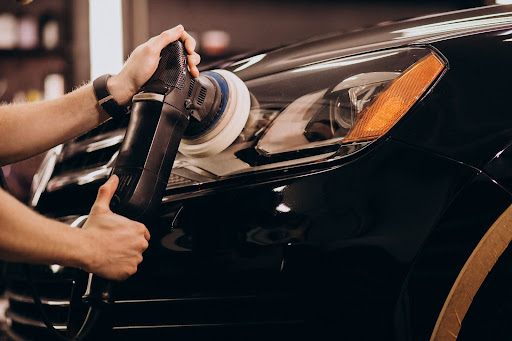
Wash weekly or every two weeks. Use a fallout remover and clay on a set schedule (for most drivers, every 3–6 months). If you correct paint, remove only what you must. Manufacturers and instrument makers warn against excessive clear-coat removal; many advise staying well under ~8 microns (≈0.3 mil) of total removal to avoid UV-blocker loss.
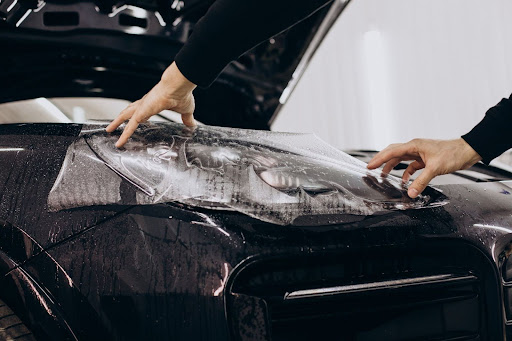
Add long-term shields to reduce how often you need correction. Paint protection film (PPF) takes the hits from chips and minor scuffs so your clear coat doesn’t.
For a deeper look at how film protection really works, and the common myths about paint protection film many drivers still believe, check out our detailed guide.
Myth #3: Wax and ceramic coating are the same thing
The myth
Both make paint shiny. So they must work the same.
The facts
They are different. Traditional wax offers gloss and short-term water beading. It can fade in weeks to a few months. Modern ceramic coatings bond with the clear coat, resist chemicals better, and can last years when cared for. Independent tests and guides report far longer durability for coatings than wax. That is why many owners coat after correcting paint.
Best practice
Pick your layer based on your goals and time.
- Want the longest term beading and easier washes? A ceramic coating makes sense.
- Want a quick shine before a show? A wax can work, but reapply often.
For impact zones and daily duty, remember: a coating is not a chip shield. Explore our Paint Protection Films (PPF), the true barrier for chips and scratches; use them together for full coverage
Myth #4: New cars don’t need detailing
The myth
Fresh from the dealer means perfect paint and full protection.
The facts
New cars often arrive with rail dust, adhesive residue, wash marring, or light defects from transport and prep. Even day-one vehicles pick up embedded iron and other fallout. A peer-reviewed review and multiple pro guides note these contamination risks on vehicles in normal use and delivery.
Best practice
Book a new-car prep soon after delivery. Steps should include:
- gentle wash and chemical decon for iron,
- clay if needed,
- light machine polish where safe,
- protection plan: coating, PPF on high-strike panels, and tint for cabin UV and comfort. Quality window film blocks most UVA and UVB, which helps keep interiors from fading and plastics from drying out.
Myth #5: DIY detailing is just as effective
The myth
With a polisher and YouTube, you’ll match a seasoned pro.
The facts
You can do a lot at home. But machine correction without gauges, lights, and process control risks thin clear coat. Clear coats are not thick. Remove too much, and you lose UV blockers and fail early. Training and paint-thickness checks help avoid that.
Best practice
Handle routine care yourself: pre-rinse, two-bucket wash, quality towels, and protection maintenance. For defect removal, measure first or hire a pro. Save correction passes by shielding paint. PPF is a sacrificial layer that takes the abuse from chips and road rash. If damaged, you replace film, not paint.
What Proper Protection Really Does for Your Car
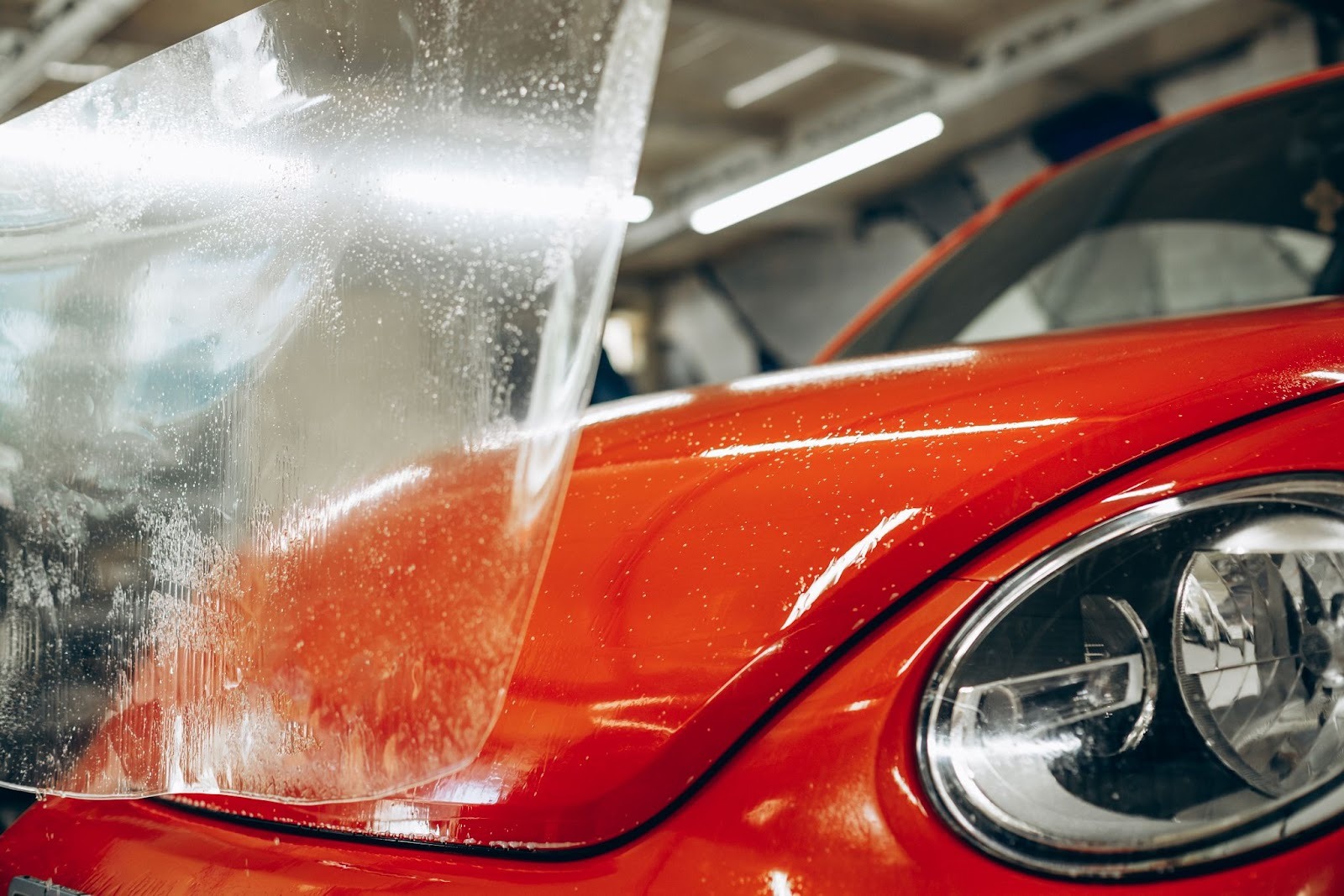
PPF on impact zones
Front bumper, hood edge, fenders, rockers, and trunk lip. Film absorbs chips and scuffs and can “self-heal” light marks with heat on many modern films. Result: fewer corrections and repaints over the car’s life.
Window tinting for cars
Blocks strong UV, reduces harsh heat, and cuts glare. That helps your skin, your dash, and your seats. It also makes AC work easier on hot days. Industry bodies state that most quality films block up to 99% of UV; normal glass alone does not.
Conclusion
Five automotive detailing myths, cleared up. A wash isn’t a detail. Once a year isn’t enough. Wax isn’t ceramic. New cars still need prep. DIY has limits.
Take control now. Wash the right way. Decon on schedule. Correct with care. Shield paint with Paint protection film (PPF). Add window tinting for cars to block UV and heat. When the job is complex, choose professional car detailing. Trust facts, not guesses. Keep leaning on real auto detailing facts that protect your finish and your budget.
Ready to protect your car the smart way? Get your custom protection plan from Protector.