What’s Next in PPF Technology? Future Trends
What if your car could fade light swirls just by sitting in the sun? That is where paint care is heading. And it starts with Paint Protection Film (PPF).
PPF is a clear, flexible film that shields paint from chips, stains, and scuffs. It keeps color true and gloss steady. Technology is the engine behind that protection. Better chemistry, smarter top layers, and precise patterns decide how well the film guards, how long it lasts, and how clean it looks after every wash.
Change is moving fast. Self-healing is getting quicker. UV and chemical defense are getting stronger. Surfaces are getting slicker with nano help. Greener builds are on the rise. Even “smart” ideas like heat-aware surfaces are taking shape. This is the future of PPF technology, and it is closer than most people think.
Read on to see what’s next, why it matters, and how to pick with confidence. At Protector, we stand with owners who care about finish and value. Our window films and PPF fit your needs and your drive. Let’s look at what’s coming, and how it can protect your car, every day.
The Evolution of PPF Technology
PPF started as a simple barrier. Early films focused on impact resistance but could look dull or yellow over time. Then came better urethane chemistry and clear coats. Films became clearer, tougher, and easier to maintain.
Next came self-healing tops. Light swirls softened with heat. Warm water or sunlight brought the gloss back. Installers also gained better adhesives and liners, which helped with edges, curves, and complex panels.
Hydrophobic surfaces followed. Water beaded faster. Wash time dropped. Bugs and tar stick less. Matte finishes join gloss, giving you style choices without risking paint. Step by step, PPF turned into a high-performance layer that blends into the car.
Just as innovation transformed PPF into a high-performance layer, you can explore innovation and technology in the field of automotive window films to see how similar advancements are reshaping protection across the entire vehicle.
Key Trends Shaping the Future of PPF
The future of PPF technology in a snapshot
Here are the PPF industry trends that matter most. Each one aims at real results you can see and feel.
Self-Healing Advancements: Faster, easier recovery
Expect faster recovery from light scratches. New topcoats will soften micro-marks at lower temperatures. Some will heal from cabin warmth or a mild rinse. You will not need a heat gun in most cases. These updates keep daily wear from building up. They also protect the finish of dark colors, which show marks more.
You will also see stronger resistance to repeated wash swirls. That helps owners who wash often. It also helps detailers deliver a consistent look on every service. This is the next step for self-healing paint protection film.
Enhanced UV and Chemical Resistance: Color that stays true
Yellowing and haze come from UV, heat, and chemicals. Future films will fight all three better. Expect improved UV absorbers and stabilizers that keep clarity longer. Topcoats will also resist bird droppings, bug acids, and road grime. That means fewer stains and less polishing. Your film keeps its look for many years, even in hot or coastal climates.
Nanotechnology Integration: Slicker, tougher, more flexible
Nanoparticle-rich topcoats will boost slickness and scratch resistance. They help water and dirt release faster. That means easier drying and less marring. Expect a smoother touch and a deeper gloss or a cleaner matte.
Nanostructures can also help films bend around tight edges without stressing the surface. That supports cleaner installs on badges, intakes, and sharp body lines. This is where automotive protection technology meets daily use.
Ready to see how these advances show up on real cars? Explore our next-generation paint protection films.
Sustainability: Cleaner materials and longer life
Sustainability is moving from talk to action. Makers are reducing solvents, waste, and energy use. Carriers and liners may shift toward recycled content. Curing steps will get more efficient. The film itself will aim to last longer, which cuts replacement waste. These sustainable PPF solutions will give you strong performance without an excess footprint.
Smart Films: Responding to heat and light
“Smart” top layers are on the horizon. Some may respond to temperature or light to help manage surface heat. Others may shift optical response slightly to support clarity or reduce minor surface marks. Color-adaptive concepts could appear in limited, tasteful ways. The target is simple: add a function without hurting style or clarity. This is where PPF innovations can change what a clear film can do.
Manufacturing Precision: Consistent rolls, consistent results
Better consistency from roll to roll helps installers and owners. Expect tighter thickness control, purer resins, and cleaner topcoat lay-down. That means fewer defects, smoother edges, and more uniform gloss or matte. Shops can deliver the same great result every time. Owners see a finish that looks OEM-level, panel to panel.
Application Efficiency: Faster, cleaner installs
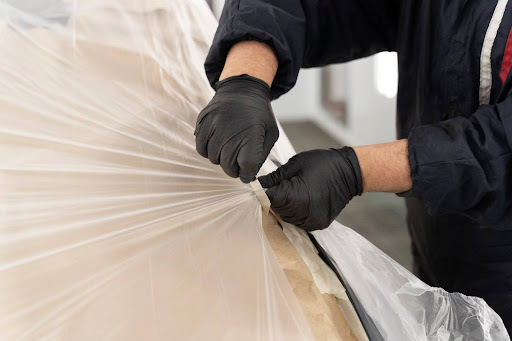
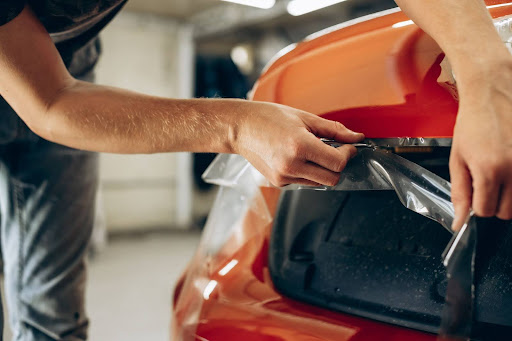
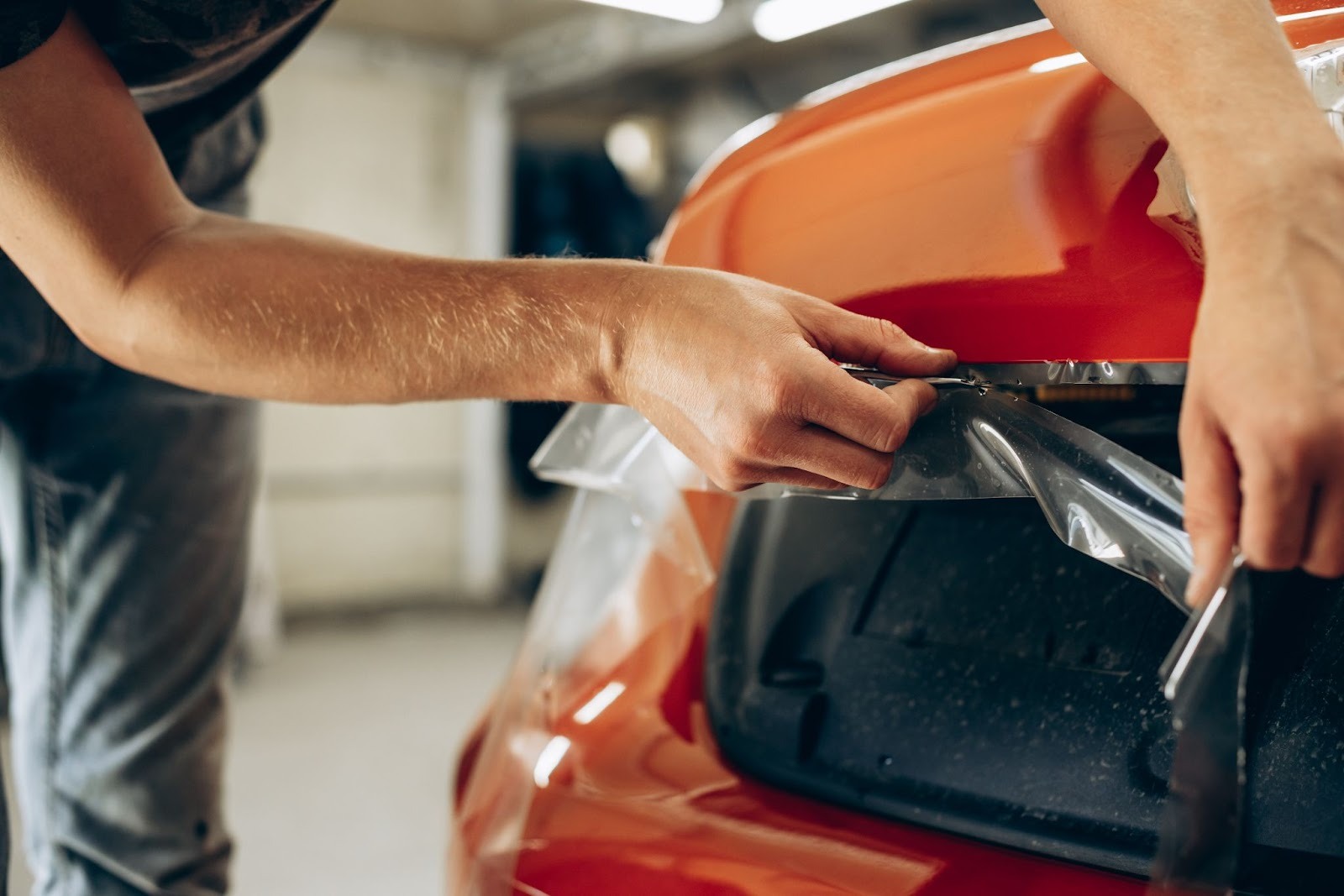
Software patterns will keep improving. Plotter files will hug panel shapes more closely. That reduces trimming and speeds up installs. New slip solutions and squeegee tech will also cut small marks and stretch lines. The result is a neater job, less downtime, and lower risk on complex cars. This helps define next-generation paint protection film in real shop terms.
The Benefits of Next-Generation PPF for Consumers and Professionals
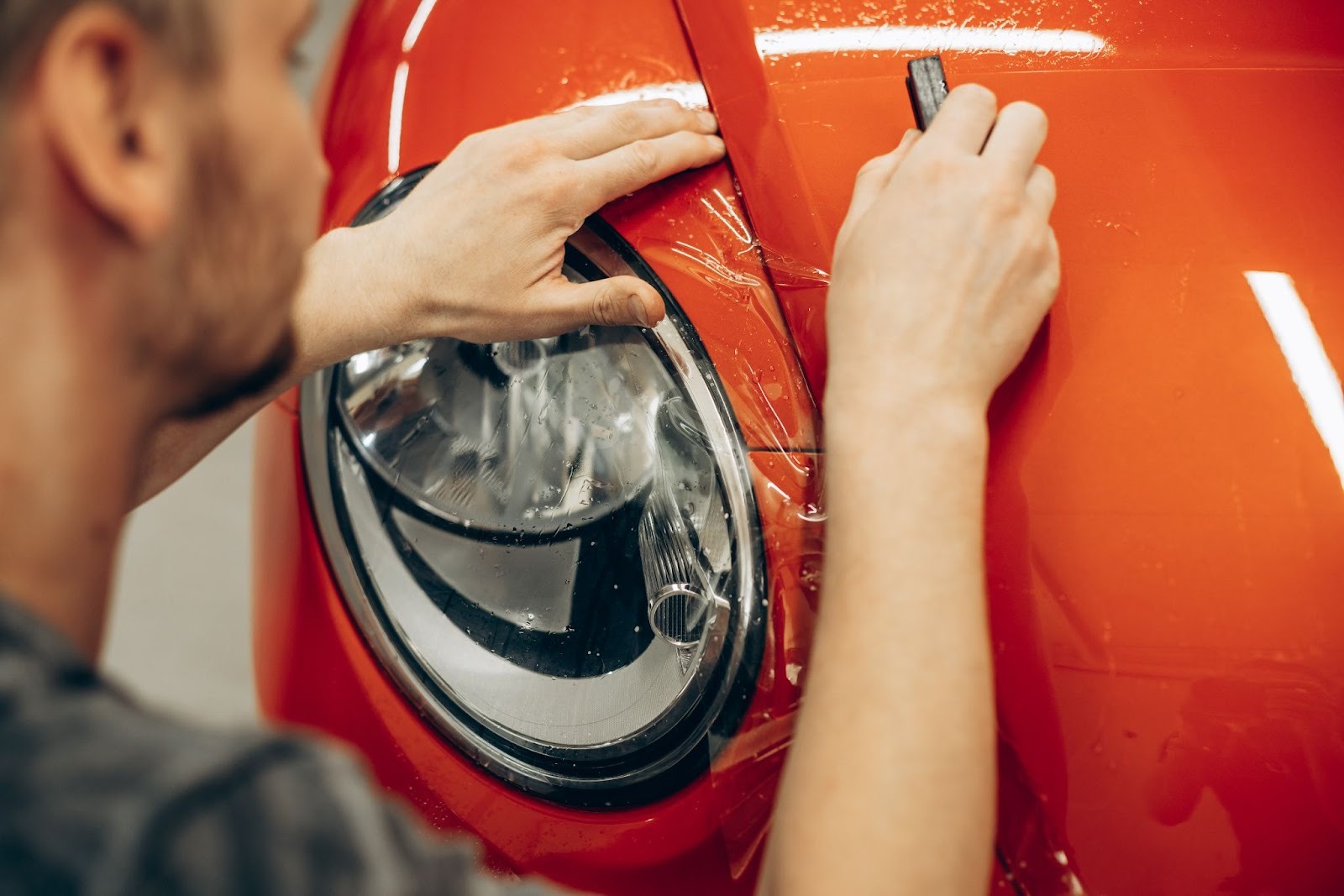
A longer life is the first win. Better chemistry and coatings keep films clear and clean for longer. That protects value and reduces rework.
Aesthetics improve as well. Gloss looks deeper. Matte looks smoother and more even. On bright colors, clarity stands out. On dark colors, the surface stays sharp.
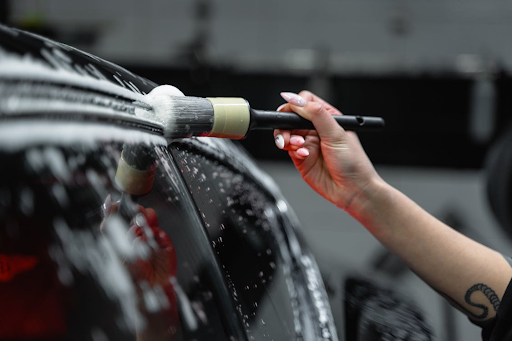
Maintenance gets easier. Slick films need less scrubbing. Water runs off fast. You can use safer wash methods. That protects both film and paint. These gains make sense for daily drivers and weekend cars.
Performance also rises on high-end vehicles. These cars have large panels and dramatic curves. The new films will handle heat, bends, and tight edges better. That keeps the look consistent across the body.
Commercial fleets benefit, too. Less damage and easier cleaning save time and cost. Vehicles return to service faster. Brand image stays strong across many units. That’s real value from automotive protection technology at scale.
Why Staying Informed Matters
Technology keeps moving. If you keep up with PPF industry trends, you make better choices. You choose films that match your climate, color, and usage. You also pick shops that use proven methods and updated tools. That leads to fewer surprises and better results over time.
Installers gain an edge, too. Knowing the latest PPF innovations helps with training, process, and sales. Teams learn where a new topcoat shines and where it needs care. They set the right expectations with every client. That builds trust. It also raises quality across each job.
When you plan your next service, ask simple questions. How does this film handle UV and chemicals? How fast does it heal at room temperature? What finish will suit my color best? How easy is the wash process? The answers guide you to the right choice in next-generation paint protection film.
Conclusion
Don’t let tomorrow’s roads mark today’s paint. PPF is changing fast. Each new wave heals quicker, resists UV and chemicals better, and stays cleaner with less effort. The future of PPF technology is here, and it’s speeding up. If you want to stay ahead, choose Protector.
Ready for next-generation paint protection film? Contact us to speak with a Protector expert and lock in lasting protection today.