Key Areas to Protect with PPF on a Vehicle
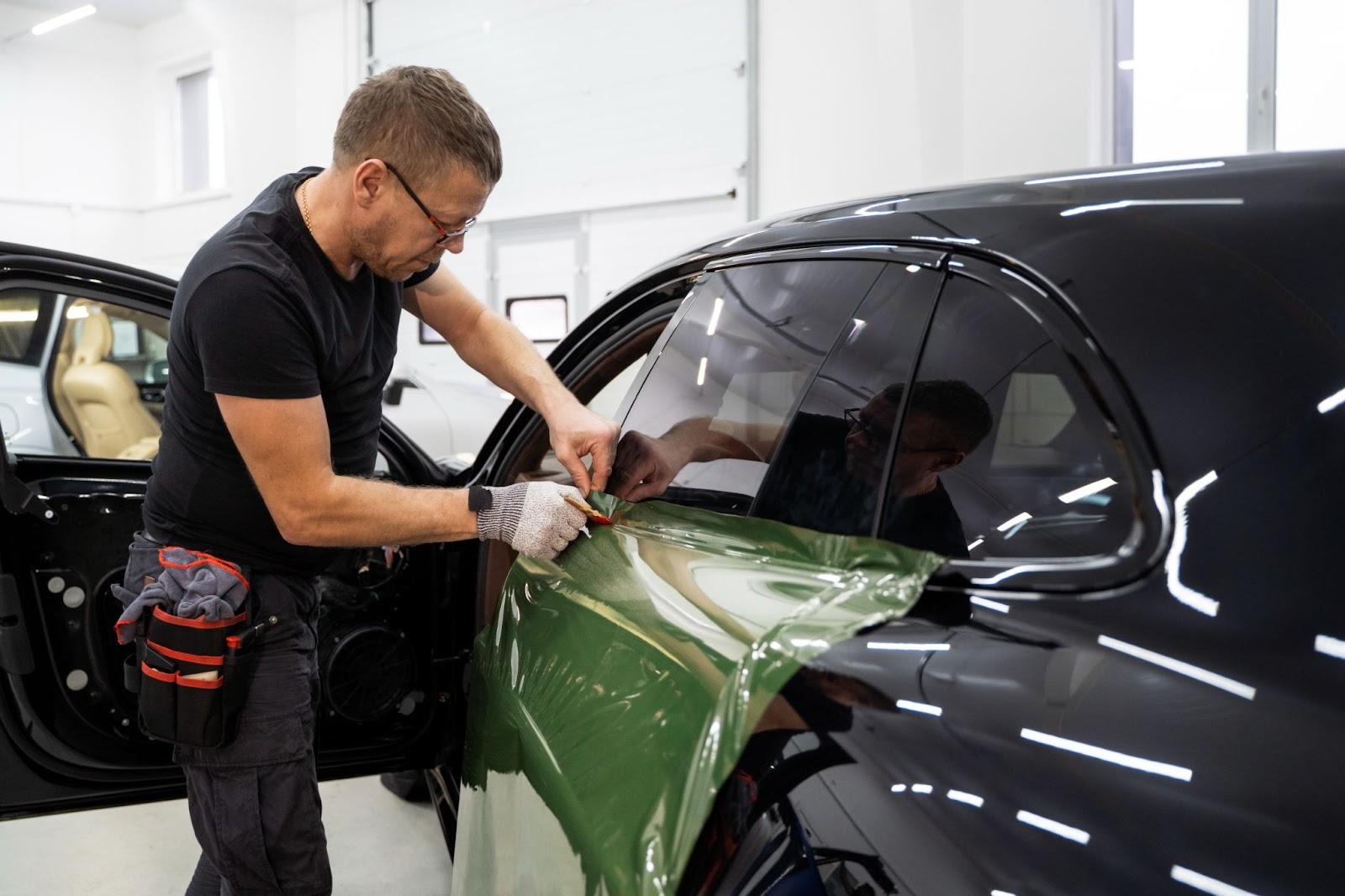
How much damage can one tiny stone do at highway speed? More than you think. One chip becomes two. Road grit sands the gloss. Bug acids stain the front. Door edges nick. It sneaks up fast.
Modern paint looks great. It is also thin and easy to mark. That is why Paint Protection Film for cars matters. PPF is a clear, flexible shield that sits on top of your paint. It takes the hits from stones, sand, and road film. Many films even smooth out light swirls with warmth. Your color and clear coat stay safe underneath.
Here’s the twist most owners miss: the worst wear does not hit every panel equally. Some zones get hammered every single drive. If you want real car paint protection, you do not cover at random. You cover smart.
In the guide below, we map the key areas to protect with PPF, explain why those spots suffer most, and show how the best PPF coverage for cars keeps your finish sharp for the long term. You will see where vehicle paint protection film pays back every mile.
With Protector, you have a partner who plans around real roads and real habits. Our window films and PPF fit your model with care. We help block harsh UV inside and stop stone chips outside. Ready to see where protection works hardest? Keep reading.
Key Areas to Protect with PPF
Front Bumper and Hood
- Why it gets hit: The bumper leads the way. It eats stones, sand, bug guts, and tar. The hood’s front section sits in the direct blast zone.
- What PPF does: The film absorbs impact from grit and small stones. It shields the clear coat from acids and stains.
- Tips: At minimum, wrap the whole bumper. For the hood, a full hood is best. It stops a visible line and protects the full panel from chips that travel upward.
Side Mirrors and Front Fenders
- Why they get hit: Mirrors stick out. They sit in the airflow and catch debris. Front fenders sit just behind the bumper where junk sprays wide.
- What PPF does: It prevents peppering, pits, and dull spots. It also protects color-matched mirror caps, which mark fast.
- Tips: Do mirrors and the leading edges of both front fenders. This keeps that smooth, even gloss you notice from the side.
Door Edges and Door Handles (Door Cups)
- Why they get hit: Tight parking spots. Hard objects like walls, carts, or other doors. Fingernails and rings scratch the cups.
- What PPF does: Thin PPF strips on edges stop chips when a door taps something. Pre-cut pieces inside the handle cups prevent half-moon scratches.
- Tips: These pieces are quick, low cost, and save a lot of touch-up work.
Rocker Panels and Lower Doors
- Why they get hit: Your front tires fling stones and grit down the side. Winter salt and mud collect here.
- What PPF does: It blocks “road rash” that sands the paint dull. It also stops stains and paint wear from constant spray.
- Tips: Wrap from the front wheel to the rear wheel along the lower doors and sills. If you drive on gravel or in winter, this area is a must.
Rear Wheel Arches and Trunk Sill (Bumper Ledge)
- Why they get hit: Rear tires kick debris backward and outward. The trunk sill gets scraped by bags, strollers, golf clubs, and tools.
- What PPF does: It keeps the arch paint from chipping and the trunk ledge from scuffs.
- Tips: Do the painted arch lips and the top surface of the rear bumper. You will thank yourself on moving day.
A-Pillars and Leading Roof Edge
- Why they get hit: At speed, air pushes grit along the glass line. The A-pillars and front roof edge take steady impact.
- What PPF does: It stops chips that creep up from the hood to the roof.
- Tips: Add this if you do highway miles. The payoff shows up after one stormy season.
Best PPF Coverage for Cars: Full Front vs Partial vs High-Impact
You have three common paths:
1) Partial Front: Bumper, part of the hood, fender tips, and mirrors. This is the minimum for a daily driver. The line across the hood can show on dark colors.
2) Full Front: Full hood, full fenders, bumper, and mirrors. This is the best PPF coverage for cars if you do regular highway trips. No lines on the hood. Strong chip control.
3) Track Pack / High-Impact Set: Full front plus rockers, lower doors, A-pillars, and rear arch areas. Ideal if you travel on gravel, in winter, or own a performance car.
If you want a showroom look for years, full body is an option. But most people do “Full Front + High-Impact.” It hits the sweet spot on protection and cost. Once you’ve chosen the coverage that fits your needs, follow these easy steps for a perfect PPF film installation to ensure flawless results and lasting protection.
How Paint Protection Film for Cars Protects Your Paint Every Day
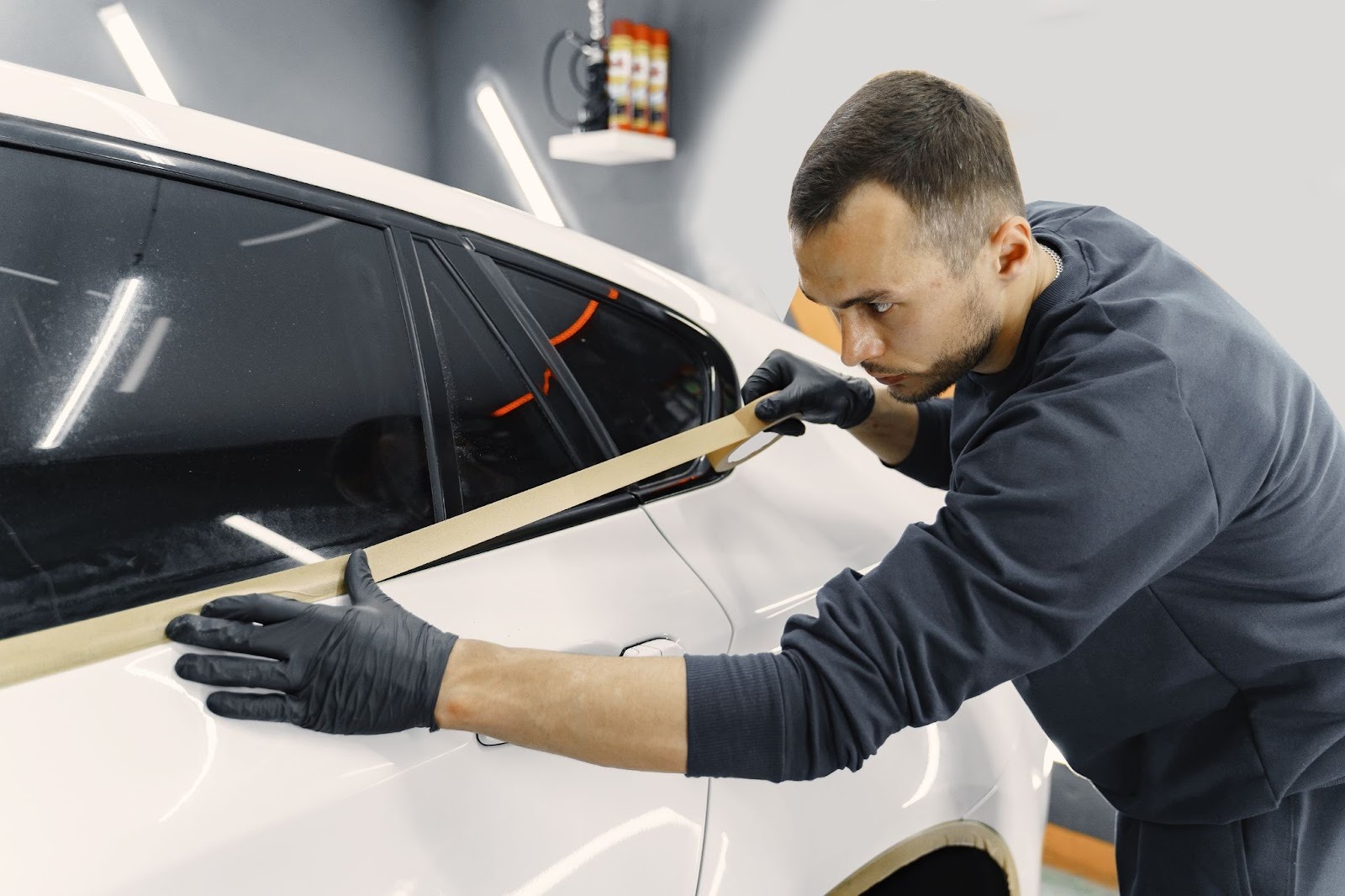
- Stops chips and rash. Stones and grit mark the film, not your paint.
- Resists stains. Bug acids, bird droppings, tar, and salt clean off the film more safely.
- Self-heals light swirls. Warmth helps remove light marks.
- Keeps gloss. Your paint stays smooth and deep, wash after wash.
- Boosts resale. Clean panels and edges show care. Buyers pay for that.
This is car paint protection you can see. It is also protection you don’t have to think about every day. Ready to plan smart coverage? Explore our range of paint protection films.
Seal the Shine with Protector’s Expert PPF Installation
Every mile leaves a mark. One chip becomes three. Gloss fades. Edges scuff. You’ve seen where it starts and how to stop it.
You now know the key areas to protect with PPF: the front bumper and hood, mirrors and fenders, door edges and cups, rocker panels and lower doors, rear arches, the trunk sill, plus the A-pillars and leading roof edge. Protect these zones first. You’ll block the damage that hits most often. You’ll keep your paint honest. You’ll keep value high.
Ready for a clean, simple plan? Talk to Protector. We size coverage to your car, your routes, and your budget. We fit panels with care.
Your car looks best when problems never start. Let’s make that happen. Speak with an expert about PPF installation and window films. We’ll map the high-impact zones on your car and build a clear, simple plan.