Car Wrapping Vs Car Resprays: Which Option Is Best For Your Vehicle?

When you're thinking of a makeover for your car, you've got two main options to consider: car wrapping and car respraying.
Both can completely transform your vehicle, but the reality is, they differ like night and day in terms of cost, flexibility, durability, maintenance, and long-term effect on the original paintwork.
Here's the quick answer upfront: Wrapping is typically faster, more flexible, and reversible, and it offers protection, while a respray is a permanent job that's better suited for restoration or really bad paint damage.
But it all comes down to your goals, budget, and how much you value being able to change things back versus having a finish that's going to last forever.
What's Car Wrapping All About?
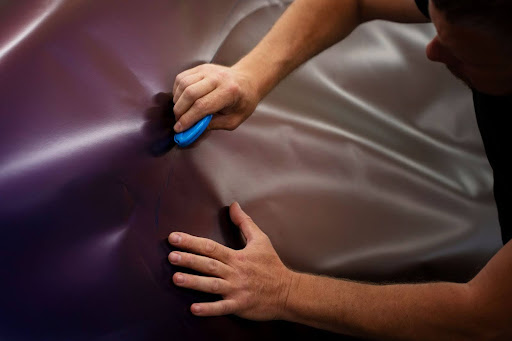
Car wrapping is basically applying a high-quality vinyl film over the vehicle's existing paintwork. This film can copy any look you want, from a stealth black paint job to chrome accents to textured finishes.
The pros and cons of car wrapping include:
- Full color changes without messing up the original paint
- Loads of different finishes to choose from (matte, satin, brushed metal, pearlescent, etc.)
- It's reversible, you can take the wrap off without damaging the paint
- Added protection against UV, light scratches, and dirt
- Quick install with minimal downtime
Some of the most common use cases are:
- Private owners who want a temporary or unique finish
- Businesses that need branding for their fleets
- Car enthusiasts who want to try out bold colors without making a permanent change
- Owners who want to preserve the original paint for resale
For people who really care about long-term protection, many folks pair their wrap with some durable films.
If you want to get a better handle on how automotive films interact with vehicle surfaces, our regulations and film-safety guide gives you the complete information on protection standards and installation best practices.
What Is A Car Spray?
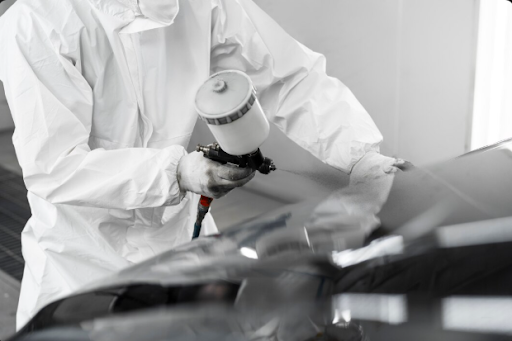
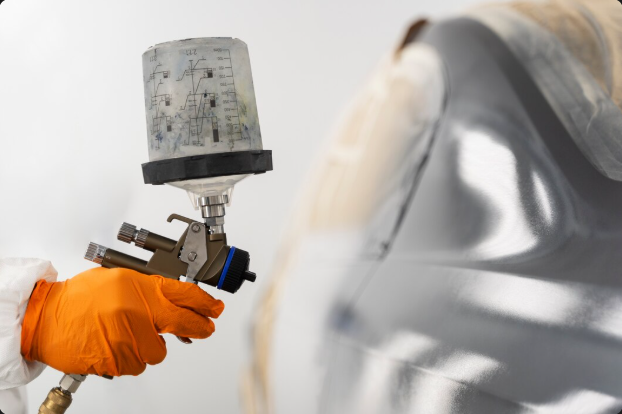
A respray is basically a complete refinish job. It usually involves:
- Sanding or stripping the existing paint
- Fixing up any imperfections in the bodywork
- Applying primer
- Spraying new paint layers
- Adding a clearcoat
- Curing and polishing
This is, by definition, a permanent color change. It changes the original paint and becomes the vehicle's new finish.
When do you need to do a respray?
- When the original paint is severely faded, peeling, or oxidized
- When rust repair or reconstruction has been done
- When you're restoring a classic or vintage vehicle
- When you want a long-term, factory-level finish
A respray is not just about making the car look nice, it's often part of a full restoration where the paint condition is beyond saving.
Cost Comparison: Wrapping Vs Respray
One of the most significant factors to consider is cost, and the difference can be pretty substantial.
General Wrap Pricing:
Wrapping tends to be a lot more economical for a colour change because the process is so much faster and doesn't require the stripping, priming, or curing that a respray does.
General Respray Pricing:
A quality respray is a labour-intensive process that needs more materials and time than you'd think.
Unfortunately, you often find cheap paint jobs out there, but they usually come at the cost of skimping on prep work, and that's the single most important bit when it comes to automotive refinishing.
In most cases, you'll find:
- Wrap = budget-friendly, offers high customization options & is reversible
- Respray = permanent, results in a paint-level restoration but comes at a higher price tag
Car Wrapping Vs Car Resprays: What’s More Long-lasting?
Both methods can last for years, but in completely different ways.
High-quality wrap lifespan:
Most decent wraps will last for around 5-7 years, depending on a mix of factors like:\
- UV exposure
- Washing methods
- Climate
- Quality of the wrap itself
- How well it's been installed
The latest hybrid vinyls that are now being used in top-end wraps are offering improved UV stability & surface resilience.
The high-impact exterior films in this category will give you significantly better durability than your run-of-the-mill vinyl.
High-quality respray lifespan:
A proper repaint can last 10+ years, and might even go on for longer than a wrap, especially if you regularly polish and coat the thing.
But poor prep or crap materials can drastically shorten that lifespan.
Visual Finish & Customization Options
If you're in the market for a visual transformation, wrapping's where it's at.
Wrap finishes available:
- Matte
- Glossy
- Satin
- Brushed aluminum
- Carbon texture
- Pearlescent & metallic tones
- Color-shift films
- Designer or printed wraps
You'd be amazed at the variety, and you can always change up the style without making any long-term commitments.
Tip: If you own a car that looks mean, sporty, then having a respray vs vinyl wrap comparison would be an ideal decision before making a final decision. It will help you to explore different vehicle color change options.
Respray finishes:
- Standard automotive paint
- Clear coat
- Metallics
- Pearls (depending on the painter's skill level)
A respray will give you a finish that's spot on with what you'd get from the factory - and that's a lot harder for a wrap to match. But in terms of sheer creativity and choice, wraps just about win out.
Wrapping Vs Respray: Protection, Reversibility & Impact On Original Paint
Wrap Protection
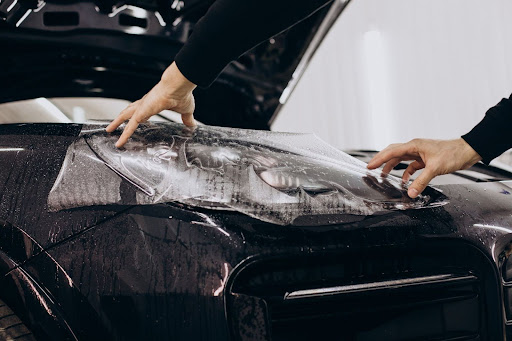
A wrap acts as a sort of shield over the paint underneath, protecting it from:
- Light scratches
- UV damage
- Road dirt & other contaminants
- Bird droppings & sap
If you ever decide to take the wrap off, the paint is likely to still look pretty good. Which is handy for preserving resale value, especially on more expensive vehicles.
If you want even stronger impact resistance, you could try pairing the wrap with a high-end protective layer like Protector Sprint, which is known for being speed-cured, heat-resistant stuff, then you get both visual transformation & paint-level protection.
Respray Impact
A respray basically replaces the original finish, permanently.
That's great for restoration work, but if you're looking to sell a modern car with non-original paint, it's likely to knock off a bit from the resale value, unless you keep a record of it all.
Car Wrapping Vs Car Resprays: Installation Time & Practical Considerations
Wrap installation:
- Typically 2–5 days, depending on complexity
- No curing time
- Immediately ready for road use once finished
Respray timeline
- 1–3 weeks for stripping, priming, painting, and curing
- Extended downtime for multi-stage finishes
- Dust-free, controlled environments are required
If time matters, wrapping is the decisive winner.
8. Which Option Should You Choose?
Here’s the decision framework most professionals use:
Choose a wrap if you want:
- A reversible color change
- Fast installation
- Maximum customization options
- Additional protection for OEM paint
- Branding (business or fleet vehicles)
- Lower cost vs a full repaint
Sometimes, it works best in your favor if you do a respray vs vinyl wrap comparison before getting a full-stack respray job.
Choose a respray if you want:
- Permanent, long-term refinishing
- Restoration of heavily damaged or oxidized paint
- A factory-style finish
- Full bodywork correction included
Conclusion
Both wrapping vs respray can transform your car, but they serve very different needs. Wrapping offers speed, flexibility, protection, and reversibility. Respraying offers permanence, deep restoration, and a paint-level finish.
The best choice depends on how you balance budget, durability, creativity, and long-term plans for the vehicle.
If you want to explore more expert-level resources on automotive films, customization, and protection, visit the Protector Automotive blog for technical guides, industry insights, and professional advice: