PPF Foil For Lamps: Is It Worth Using? Full Expert Breakdown

PPF foil for lamps is a no-brainer, use it for your modern vehicle. Those headlights and taillights are taking a beating all the time, pummeled by rocks, sand, salt, and UV radiation.
A top-notch headlamp protection film does a great job of providing a tough, nearly invisible shield that keeps your lamp lenses looking good as new for a whole lot longer, rather than prematurely going yellow and cracking.
This article spells out how PPF for headlights works, why your lamp lenses are way more vulnerable than most people realise, and whether or not this protection is a good investment for your vehicle and driving conditions.
Why Do Car Lamps Need Protection?
Car lamps are stuck out there in one of the worst spots on your vehicle, right at the front and low down, taking a pounding from:
- Bits of rock and gravel that get flung at them by the tyre
- Fine sand and dust that slowly eat away at the plastic
- Road salt and all that nasty stuff that gets left behind in winter, which just makes your lamps go all hazy and look old sooner
- And of course, UV radiation, which just causes them to fade away, literally
Modern lenses are made from polycarbonate, which is great for keeping things looking clear, but it's also super prone to tiny scratches.
And over time, all that wear and tear reduces brightness, makes it harder to see at night, and just generally makes your car look older than it is.
What PPF Does When Applied To Lamps
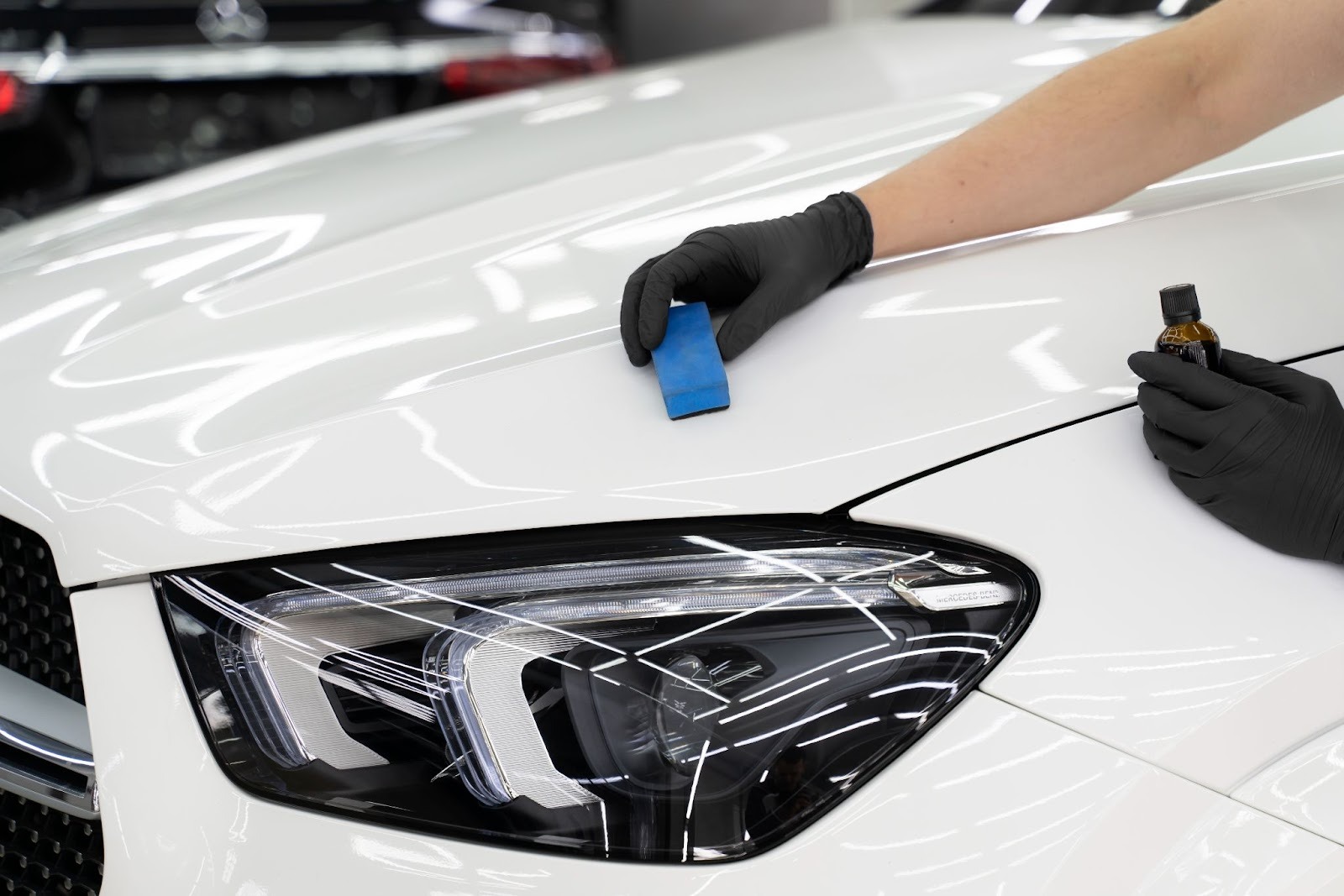
A good PPF foil for lamps acts as a sacrificial outer layer, absorbing the impacts, abrasions, and UV exposure that would damage the lens itself.
Key features:
Impact absorption
Multi-layer film structure disperses energy from stones and road debris, with no chips and cracks.
Abrasion resistance
Daily abrasion from sand, dust, and fine contaminants is absorbed by the film, not the lens, important for motorways, gravel, and salted roads.
UV and yellowing protection
UV-resistant topcoat reduces oxidation that causes lamps to turn cloudy or yellow.
Self-healing properties
Heat (sunlight or warm water) helps the film to recover from minor scratches and swirl marks.
Heat tolerance & optical clarity
Automotive-grade headlight protection PPF can withstand lamp temperatures without distorting or reducing light output.
You can achieve this level of optical purity with high-clarity PPF designed for lamp surfaces, such as the Protector Carbon Gloss line.
Benefits Of PPF On Car Lamps
Installing PPF for headlights brings several practical long-term benefits:
- Fewer micro scratches and swirl marks from daily driving
- Prevention of cloudiness, oxidation, and yellowing that appear after 1-3 years without protection
- Consistent brightness and beam clarity for better nighttime safety
- Long-term preservation of OEM lens appearance for better resale value
- Less maintenance as contaminants don’t bond as easily
When looking at the benefits of PPF on car lamps, it’s clear that the film protects both performance and looks at the same time.
Types Of PPF For Lamps
There are several types of lamp protection film, each for different needs:
Clear PPF (most popular)
- Maximum clarity
- No color change
- For drivers who prioritize pure protection
Light-Shaded PPF
- Slight aesthetic variation
- Must still comply with visibility and legal requirements
When Tinted, PPF May Not Be Suitable
If it reduces light output below local regulations or visibility requirements, it’s not recommended. In all cases, safety and compliance come first.
Installation Considerations
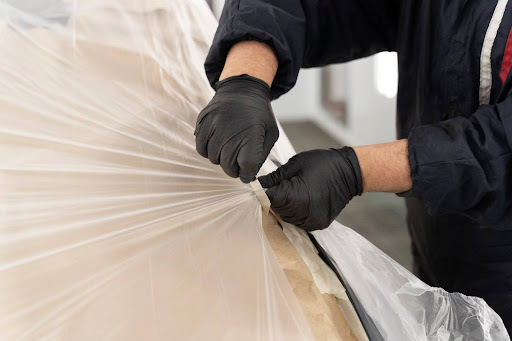
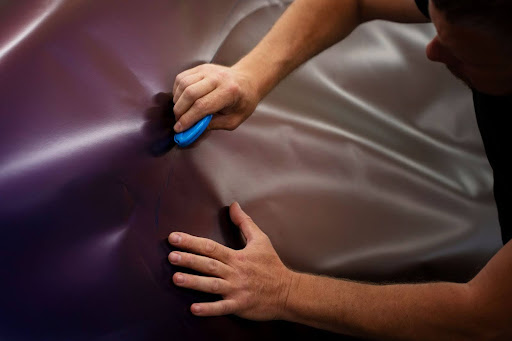
Lamps aren’t flat panels, they’re curved, domed, and often complex. Applying PPF film for lamps requires:
Heat-Forming
Pros warm the film to shape to rounded surfaces without creases or tension.
Edge Wrapping
Proper edge sealing prevents dirt buildup and maximizes durability.
Precision Cutting
Tight fitment ensures the film doesn’t distort the optical path.
Professional Vs DIY
DIY kits often lead to lift lines, bubbles, or distortions. For lamp surfaces, especially with strong curves, professional installation ensures optical clarity and long-term adhesion.
Professional installers also avoid the common mistakes to avoid during PPF installation, which often cause lifting or visual distortion.
Cost Vs Value: Is Lamp PPF Worth It?
The value becomes obvious when you compare the costs:
Replacing A lamp
Modern headlights can cost hundreds or even thousands of euros due to integrated LEDs, sensors, and adaptive functions.
Installing Headlight Protection PPF
Costs much less while preventing the damage that leads to replacement in the first place.
PPF is especially worth it for:
- Motorway or gravel-road drivers
- Vehicles used in winter climates (salt + sand exposure)
- High-end cars, EVs, and modern vehicles with expensive LED units
- Fleet vehicles where durability and consistent appearance matter
When evaluating whether is PPF worth it for lamps, the cost-to-protection ratio is strongly in favor of applying it.
When PPF For Lamps Might Not Be Necessary
While PPF foil for lamps is the way to go in most cases, there are some instances where it's just not that necessary
- Older vehicles, for example, where it's not a huge deal if the lenses get damaged
- Rarely driven classics that aren't going to be exposing their lenses to debris regularly
- Cars where just a little bit of protection is needed, like the lower edges of the lamps
Still, most of us who drive our cars daily are going to see some real benefits from having complete protection
The Bottom Line
Look, PPF foil for lamps is probably the best and most cost-effective way to keep your headlights and taillamps from getting all battered and bruised by stones and sand.
Not to mention the sun beating down on them, and all the general wear and tear that comes with daily driving. It helps keep your lenses looking as good as new, your lights shining bright, and the original lenses intact for the long term.
Whether you're a private owner, a serious car enthusiast, a pro, or just a fleet manager, lamp protection film is definitely worth considering, and to be honest, in most driving conditions, it's probably a no-brainer.
For deeper guidance on protecting every part of your vehicle, you can explore more expert articles on PPF and vehicle protection.