How Does PPF Protect Car Sills From Stones And Sand? Expert Insights & Real Benefits
Car sills are the weak link in pretty much every vehicle. With their constant exposure to flying rocks kicked up by the tires, road debris, and environmental grime, you end up finding yourself dealing with paint damage on these lower panels from day one.
Paint Protection Film (PPF) acts a bit like a bulletproof vest for your car, absorbing knocks and scrapes, stopping the nasty stuff from wearing the paint away.
It generally becomes a shield for your car's sills and provides stone chip protection and bits of sand while keeping the original paint looking as good as it did when it left the showroom.
This article takes a closer look at how PPF protects those lower panels as well as the day-to-day benefits and long-term value it brings.
Why Car Sills Are Incredibly Prone to Damage?
Your car's sills are right down low where the road surface is, which makes them the perfect target for any stones or other debris your tires kick up.
Whether you're driving on highways, gravel roads, or getting stuck behind a road crew, pretty much all it takes is a small rock to chip the paint. And then there's the city driving - a constant barrage of road grime and dust that eventually starts to eat away at the finish.
And if left unprotected long enough, you can end up with nasty scratches, tiny wear and tear on the paint, and in the worst cases, even corrosion.
Yes, it's easy to overlook these lower panels because they’re tucked out of sight - but put it off and you'll likely find yourself looking at a costly repair down the line.
But by wrapping your car's sills in PPF, you’re addressing the problem before it even gets that far.
How Does PPF Protect Car Sills As A Protective Barrier
PPF protection for car sills relies on a combination of actual thickness and pretty advanced material science. You'll typically see high-quality films that are multi-layered like this:
- Top coat: This is the clear outer layer that can take a few minor scratches and UV without fading or discolouring.
- Elastic polymer layer: This bit absorbs the impact energy of small stones and other crap you'd typically find on the road.
- Adhesive layer: And then there is the special glue that sticks it all securely to the panel, without damaging the paint, and still allows you to move it around a bit while installing it.
This setup basically lets PPF act as a sacrificial shield. If a rock scratches the film, it often fixes itself thanks to the topcoat, leaving the paint underneath looking flawless.
What happens is the elasticity spreads the force of any little impacts, cutting down the chances of getting any chips or dents.
To put it in plain terms: if a stone hits a metal panel, it'll usually make a mark - but on a properly put-on PPF layer, it barely touches.
Keeping Chip Damage To A Minimum
Stone chips are one of the most common ways paint gets damaged on car sills. Every time a tyre throws up a stone, it's basically a tiny projectile that's going to hit with some real force.
PPF is designed to take this energy. The whole polymer structure spreads the impact, preventing the paint underneath from cracking or flaking off.
It's even more noticeable for drivers who spend a lot of time on the highway, gravel roads, or country roads.
Even in the city, though, PPF still helps against small chips kicked up by other cars and trucks. Over time, the film accumulates a few minor marks, but the paint underneath stays in good nick, keeping the vehicle looking good and holding its value.
Protection Against Sand Abrasion
While stones chip, sand and micro-particles wear. Every day use can create swirl marks, micro scratches, and dulling of the paint surface.
PPF’s abrasion-resistant properties act as a buffer and stop these microabrasions from penetrating the paint layer.
Winter roads, coastal areas with sand, or construction zones are abrasive 24/7. By covering the sills with PPF, car owners keep their paint surfaces glossy and pristine and prevent long-term damage that can compromise the paint integrity.
Installation Techniques That Matter
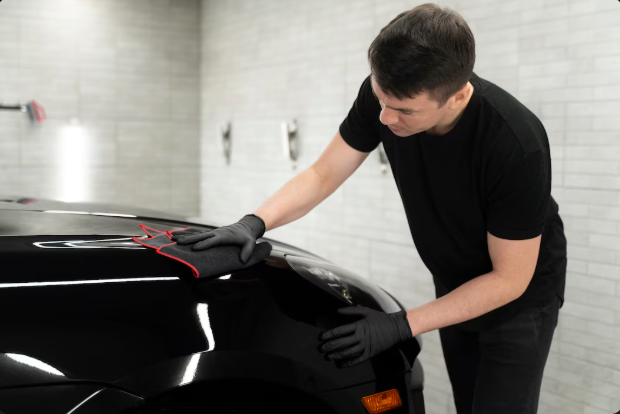
PPF’s effectiveness depends on proper installation. For car sills, full coverage wrapping is best, especially in high-impact zones near the wheel arches. Here are the key considerations:
- Edge coverage: Wrapping around curves and edges prevents dirt accumulation and lift.
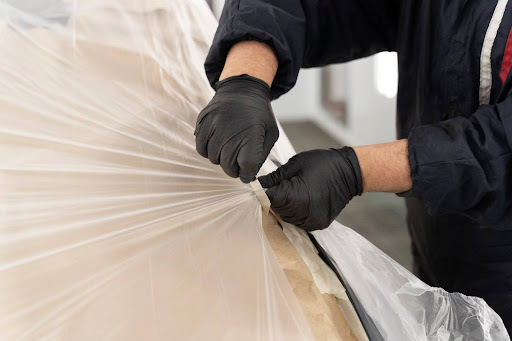
- Professional installation: Certified installers avoid bubbles, gaps, or poorly aligned seams that reduce protection.
Understanding the nuances of installation is critical, improper application can negate the benefits. For detailed guidance, learn about the Top Mistakes To Avoid When Installing PPF.
Long-Term Value: Why PPF On Sills Matters
The benefits of protecting your car's sills from the elements with paint protection film stretch way beyond looking good. Installed correctly :
- stops any nasty rust and corrosion that might creep in through a scratch or chip - from getting a foothold in the first place.
- keeps your car looking like new, so you don't lose any value when it comes time to sell.
- saves you a pretty penny in the long run because you don't have to be touching things up all the time or repainting entire sections.
For high-end cars or fleets, a consistent layer of protection means the lower panels stay looking showroom-new, even after years of driving around.
High-performance products like Protector Carbon Gloss offer superior durability and clarity for sills, making professional installation even more worthwhile.
When To Think About Replacing Or Touching Up The Old Stuff
Even the best paint protection film won't last forever. If you need to replace yours, here are some telltale signs to look out for :
- The film starts to yellow or get all discolored
- The edges start lifting or peeling off
- There are deep scratches that just won't self-heal (no matter how hard you try)
- The film looks dull or has lost its shine
Regular check-ups can help you figure out if a simple wash is all you need or if it's time for a full-on replacement.
Pay a bit more attention to how you clean the car and avoid the harsh chemicals, and the film will probably last a lot longer.
The Bottom Line
Protecting your car's sills with paint protection film is still the best way to keep that paint job looking brand new.
By acting as a tough, sacrificial barrier, it stops the elements from getting the best of the paint, stops rust and corrosion cold, and keeps your car looking pristine.
Whether you're running around in the daily commute, driving some high-end car, or managing a fleet of vehicles, slapping some paint protection film on your lower panels is a smart, practical move.
To get the full picture on car care and learn what the pros know, head on over to the rest of our blog articles, where you'll find the inside scoop on the best practices, top installation tips, and the latest in paint protection tech.