How Often Should PPF Be Replaced? Expert Guidance On Film Lifespan & Maintenance
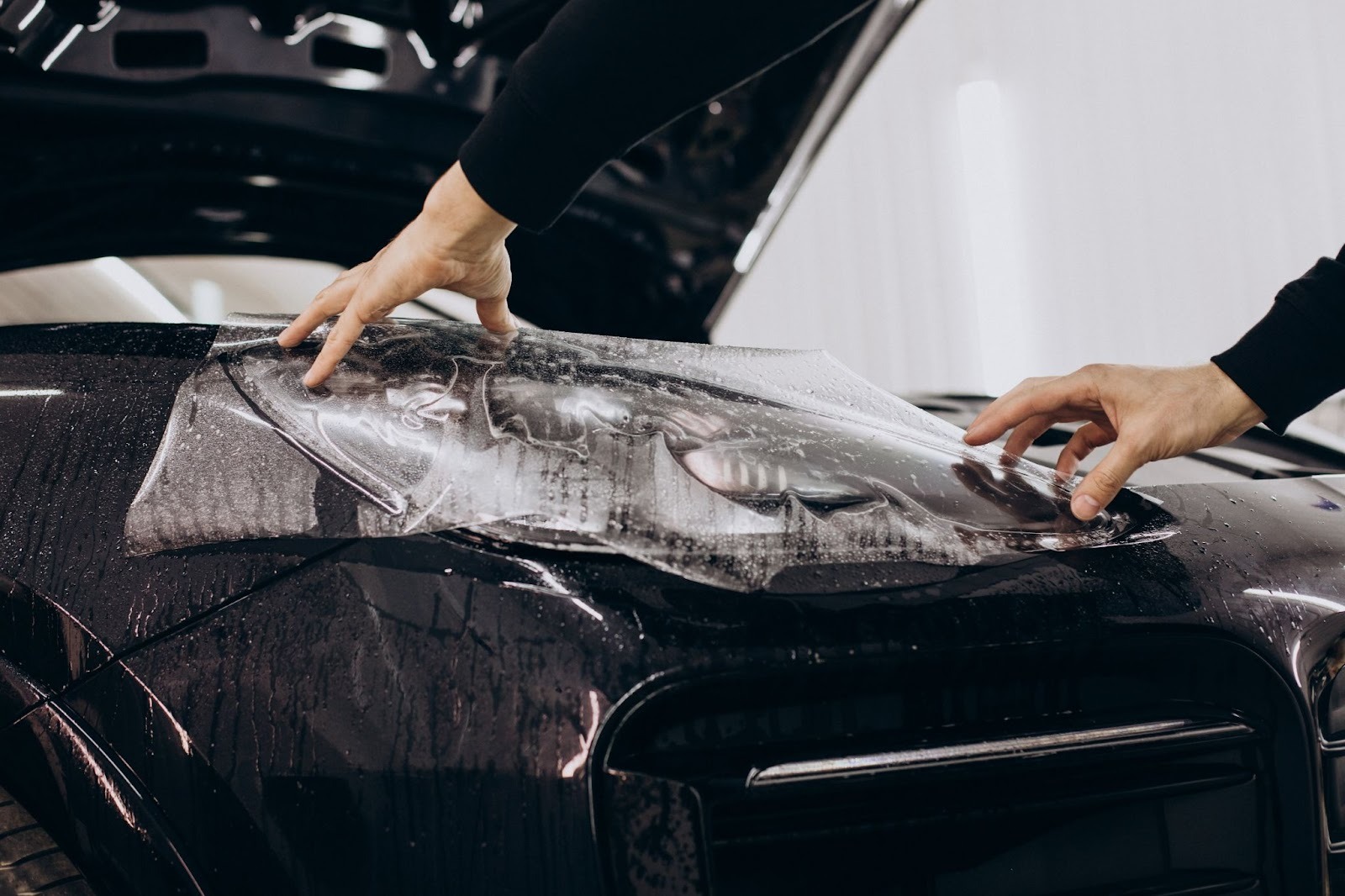
Most high-quality Paint Protection Film (PPF) lasts 5 to 10 years, depending on climate, driving conditions, and maintenance habits.
So the answer to how often should PPF be replaced is less about a fixed timeline and more about the film’s condition.
Replacement is needed when you start to see signs of wear, yellowing, peeling edges, loss of clarity, or scratches that no longer self-heal.
In this article, we’ll break down the average PPF lifespan, the factors that affect durability, the signs PPF needs replacement, and how to keep the film performing at its best for as long as possible.
Average PPF Lifespan
Under normal use high quality PPF will maintain its protective performance for 5–10 years. This range varies depending on how the vehicle is driven and stored.
- Daily drivers
Cars driven daily on the highway will face more stone chips and UV exposure. These vehicles will fall into the 5–7 year end of the PPF lifespan range.
- Garage-kept or enthusiast vehicles
These cars will experience less environmental stress, so PPF will last 8–10 years with proper care.
- Commercial or fleet vehicles
Higher mileage and constant outdoor use will shorten the expected PPF lifespan to around 3–5 years, depending on exposure and maintenance.
Key Factors Influencing PPF Durability & Longevity
The question how long does PPF lasts is very much dependent on a whole bunch of outside factors and how you treat your vehicle:
Climate Conditions & Your Location
- Battering sun can speed up the film's oxidation process.
- Sweltering heat and humidity can put a lot of stress on the adhesives, causing them to degrade faster.
- In colder climates, the film can start to stiffen over time.
Your Driving Style
- The kind of roads you take daily can make a pretty big difference.
- Highway driving can expose the film to a lot of impact energy from rocks and other debris on the road, while city driving, although a bit easier on the film in some ways, puts it in contact with all sorts of pollutants and grime.
How You Wash & Maintain Your Vehicle
- Using harsh chemicals to clean the film can break down the top coat in no time.
- If you don't wash your car frequently enough, contaminants can start to etch the surface of the film.
- Gentle, pH-balanced products are really the best way to preserve the durability of the PPF.
The Quality Of The Installation
Getting the prep work done right on the surface of your car is crucial for a strong bond between the film and the paint. If it's done poorly, the film can start to lift or degrade early.
Film Thickness & Material Tech
Newer, thicker PPF formulations that have all sorts of clever features like hydrophobic and self-healing layers are generally going to outlast the old ones.
To avoid installation problems that reduce PPF durability, see our expert guide on the top mistakes to avoid when installing PPF.
How Often Should PPF Be Replaced: Signs PPF Needs Replacement
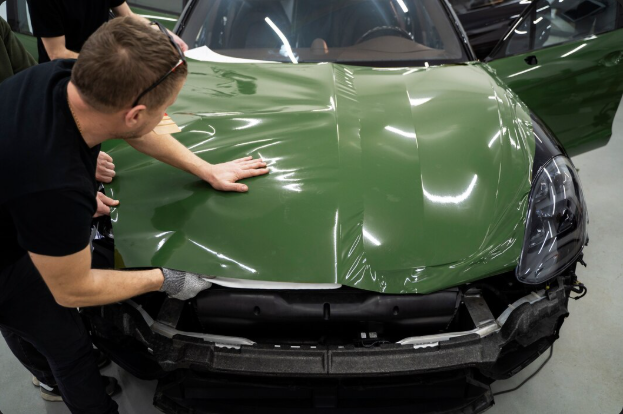
Knowing when to replace paint protection film is essential to keeping your paint looking great for as long as possible. Here are some signs it's probably time to get it replaced:
The Film Is Yellowed Or Discolored
This is one of the most obvious signs that the PPF is reaching the end of its life. UV exposure can cause it to darken or fade.
The Edges are Lifting Or Peeling
If the adhesive has weakened due to age or environmental exposure, the film can start to lift or peel away from the surface of the paint.
Scratches That No Longer Self-Heal
When the top coat of the film starts to lose its elasticity, it can no longer self-heal and scratches remain visible.
Permanent Stains Or Etching
If contaminants have gotten through to the paint beneath the film, they can leave behind stains or etching that can only be fixed by replacing the PPF.
Loss Of Clarity Or Gloss
Finally, if the film is degrading and losing its clarity or gloss, it's probably time to get it replaced.
How To Prolong The Life Of Your PPF?
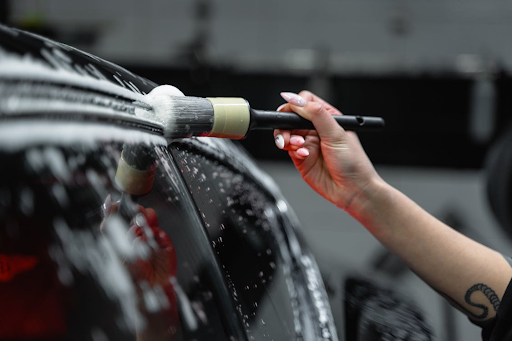
There are some things you can do to help your paint protection film last longer. For one thing, make sure you're washing it with the right kind of soap, pH-neutral soaps, and microfiber mitts are the way to go.
No harsh chemicals, no abrasive brushes, no low-quality towels or polishes that can damage the film.
Plus, regular inspections to check the edges, surface clarity and the responsiveness of the self-healing layer can help catch any problems early on.
And don't forget about topcoat or maintenance treatments, these can help keep the hydrophobic layer functioning properly and extend the life of the film even further.
For drivers and car owners looking to maintain long-term clarity and boost hydrophobic performance, Protector Carbon Gloss offers an advanced surface finish solution.
PPF Replacement vs Maintenance: What’s The Difference?
Not every issue requires full replacement, but:
Maintenance Is Enough In These Situations:
- Minor damage from a scratch just needs warming up to disappear
- All the hydrophobic performance still works fine, just needs a little refresh
- The film is still pretty much intact, but it's just a bit dirty
Signs PPF Needs Replacement When:
- The film has worn down to the point of being structurally unsound
- The paint starts to yellow or gets cloudy
- The self-healing feature just isn't working
- The edges of the film start peeling off
- Stains somehow managed to seep through to the paint underneath
Fleet Vehicles
As a business, you can just stick to a regular replacement schedule, most of the time, that's every 3-5 years, to make sure all your vehicles look the same
Why Replacing PPF At The Right Time Is A Good Idea?
Replacing PPF at the right moment does more than just keep your car looking nice:
Protects Your Paint from Impacts
As it ages, the film can stop doing its job and leave your paint exposed
Keeps Resale Value Up
Nice paintwork = better resale value
Prevents Permanent Damage
Just sitting around for too long, or getting hit by UV light, can cause all sorts of problems for your paint and underneath it.
Keeps the Car Looking Really Clean and New
New PPF does a great job of keeping gloss, brightness, and optical clarity where they should be, really important for high-end cars or fleets.
Closing Thoughts
So, how often should PPF be replaced?
Realistically most people should expect to replace it every 5-10 years, but that depends on what your car's been up to, ie, how far you've driven it, where you live, and so on.
The key is to be on the lookout for signs that your PPF is getting a bit worn, yellowing, peeling, etc, and just get it replaced before things get any worse.
Replacing it proactively will keep your paint nice and in good nick for years to come. If you just keep on top of it, your paint will stay in great shape for as long as you need it to
Explore more expert insights on PPF care, installation, and long-term paint protection on our automotive protection blog.